Blog

  • Real Estate: slow property listings management

    Real Estate: slow property listings management

    How to Overcome Slow Property Listings Management: Proven Tactics & ROI

    The average real‑estate agent spends over 30 % of their time on manual listing tasks—a figure that translates into lost commissions, frustrated buyers, and a sluggish pipeline. That’s the reality behind slow property listings management. If your listings move slower than a snail on a rainy day, you’re not alone. The good news? By tightening your property listings workflow, automating repetitive tasks, and leveraging the right real estate listing management software, you can accelerate listings, boost revenue, and keep clients smiling.

    Modern open‑plan office with a team brainstorming around a whiteboard


    Common Causes of Slow Property Listings

    Slow property listings management often stems from three core pitfalls that most agencies overlook.

    1. Outdated Manual Processes

    Many teams still rely on spreadsheets, printed forms, and endless email chains to gather property details. This manual approach invites duplication, version‑control issues, and human error.

    • Time‑consuming data entry – typing the same address, square footage, and amenities across multiple platforms.
    • Fragmented information – agents lose track of where a photo was uploaded or a disclosure was signed.
    • Limited audit trail – without a unified system, tracking changes becomes impossible.

    Pro Tip: Adopt a single source of truth—a centralized database that every agent can access in real time.

    2. Data Entry Errors

    Even a single typo can derail a listing: a misspelled street name can prevent search engines from finding the property, and incorrect square footage can lead to legal disputes.

    • Misaligned listings – buyers receive inaccurate information, eroding trust.
    • Compliance risks – incorrect disclosures can expose agents to penalties.
    • Wasted marketing spend – mistakes in online ads mean wasted impressions and clicks.

    3. Inefficient Communication Channels

    When agents, photographers, stagers, and buyers all use different tools, critical updates slip through the cracks.

    • Email overload – important messages buried under newsletters.
    • Lack of real‑time notifications – agents miss deadlines for photo uploads or inspection scheduling.
    • No integrated chat – teams cannot quickly resolve questions, causing delays.

    Key Takeaway: Eliminating manual steps, standardizing data entry, and unifying communication are the first three levers to pull when tackling slow property listings management.


    Strategies to Streamline Property Listing Processes

    Once the pain points are identified, the next step is to implement targeted strategies that transform a sluggish workflow into a high‑velocity engine.

    Automate Data Capture

    • Smart forms – web forms that auto‑populate fields in your listing database.
    • OCR technology – convert scanned documents into searchable text, reducing manual entry.
    • API integrations – connect MLS feeds, Google Maps, and Zillow to pull property data instantly.

    Standardize Listing Templates

    • Unified format – every listing follows the same structure: property type, price, photos, description, and legal disclosures.
    • Pre‑approved content blocks – copywriters craft reusable sections that agents can plug in, ensuring brand consistency.
    • Version control – a single editable template guarantees that updates propagate across all channels.

    Implement Centralized Collaboration

    • Project‑management tools – assign tasks, set deadlines, and track progress in one place.
    • Real‑time notifications – instant alerts for photo uploads, contract signings, or buyer inquiries.
    • Integrated calendar – synchronize showings, open houses, and client meetings to avoid double bookings.

    Step‑by‑Step Implementation Guide for Real Estate Teams

    1. Audit Current Workflow – Map every step from property acquisition to final sale. Highlight bottlenecks and duplicate tasks.
    2. Select the Right Software – Evaluate solutions that offer property listings workflow automation, robust CRM integration, and mobile accessibility.
    3. Train Your Team – Conduct hands‑on workshops covering data‑entry standards, template usage, and platform navigation.
    4. Pilot with a Small Portfolio – Run the new system on 10–15 listings to identify unforeseen issues before full rollout.
    5. Measure & Optimize – Track key metrics (time to first listing, listing‑to‑sale conversion, client satisfaction). Iterate based on data.

    Pro Tip: Use a phased rollout to keep the team engaged and minimize resistance to change.

    ROI Analysis: What You Gain by Streamlining

    Metric Before Optimization After Optimization Typical ROI
    Time to Publish a Listing 4‑6 hours (manual) 30‑45 minutes (automated) 75 % faster
    Listing‑to‑Sale Cycle 90 days 70 days 22 % reduction
    Agent Hours Saved per Month 120 hrs 45 hrs 75 % reduction
    Commission Increase $12,000 $15,600 ~30 % uplift
    Marketing Spend Efficiency 12 % wasted due to errors <3 % wasted 75 % cost saving

    By cutting manual steps and leveraging property listing automation, agencies typically see a 30 % increase in commission revenue and a significant boost in client satisfaction within the first quarter of implementation.


    Tools and Software for Efficient Property Listings Management

    Choosing the right technology stack is crucial. Below, we break down leading solutions that address the core pain points of slow property listings management.

    Real Estate Listing Management Software Overview

    • All‑in‑One Platforms – Solutions like RealtyJuggler, PropertyBase, and BoomTown bundle MLS integration, lead management, and listing automation.
    • Specialized Workflow Engines – Tools such as Zapier or Integromat can stitch together your existing apps to create a seamless property listings workflow.
    • Mobile‑First CRMs – Apps like HubSpot for Real Estate let agents update listings on the go, ensuring data stays current.

    When evaluating real estate listing management software, prioritize:

    1. Ease of integration with MLS and third‑party services.
    2. Scalable automation features (smart forms, OCR, API pulls).
    3. User‑friendly interface that encourages adoption across the team.

    Take the Next Step

    Ready to eliminate slow property listings management from your agency’s DNA? Our team of listing‑workflow experts can help you select the perfect real estate listing management software, design a customized automation plan, and train your staff for immediate results.

    Contact us today to schedule a free assessment and start turning your listings into a fast‑track revenue engine.


    Professional. Friendly. Results‑Driven.

  • Manufacturing: equipment maintenance downtime

    Manufacturing: equipment maintenance downtime

    Equipment Maintenance Downtime Reduction: Proven Strategies to Keep Your Plant Running

    Did you know that the average manufacturing plant loses $3,000 per minute when a critical machine stalls? That’s a staggering $180,000 per hour of lost productivity—money that could be reinvested in innovation, quality, or expansion. If you’re a Maintenance Manager, Plant Manager, or Operations Manager, you already know that every minute of downtime is a hit to your bottom line and a blow to your team’s morale.

    In this guide we’ll:

    • Explain what causes equipment downtime.
    • Reveal the top maintenance strategies for equipment maintenance downtime reduction.
    • Show how predictive maintenance tools can boost equipment reliability metrics.
    • Share industry‑specific downtime benchmarks and real‑world case studies you can use as a performance barometer.

    By the end, you’ll have a toolbox of tactics to drive downtime reduction and lift your overall equipment effectiveness (OEE).

    Wide-angle shot of a bustling manufacturing floor at sunrise, with machines humming, workers in safety gear, and a digital overlay of real‑time equipment health dashboards projected on a wall.

    What Causes Equipment Downtime?

    Understanding the why behind downtime is the first step toward eliminating it. Most downtime stems from three primary categories:

    • Mechanical failures – worn bearings, cracked shafts, or hydraulic leaks that cause a machine to stop unexpectedly.
    • Human factors – operator error, miscommunication, or inadequate training that leads to incorrect setup or maintenance.
    • Process inefficiencies – poorly designed preventive maintenance schedule, lack of real‑time monitoring, or outdated equipment that can’t keep up with production demands.

    A Real‑World Example

    At a mid‑sized automotive‑parts plant, a hydraulic press stalled for 45 minutes every week. The root cause was a corroded hydraulic seal that wasn’t identified until the press overheated. The team was running a reactive schedule, fixing problems only after they broke. The result? 1.2 hours of downtime per week, costing the plant $7,200 in lost production.

    Key takeaway: Downtime is rarely random; it’s usually a symptom of deeper systemic issues that can be identified and corrected with a structured approach.

    Top Maintenance Strategies to Cut Downtime

    Once you’ve mapped the causes, the next step is to deploy targeted strategies that address each root problem. Here are the three pillars that have proven most effective for equipment maintenance downtime reduction:

    1. Implement a Robust Preventive Maintenance Schedule

    A preventive maintenance schedule is a proactive plan that schedules routine inspections, lubrication, and part replacements before a failure occurs. A well‑crafted schedule is tailored to each machine’s criticality and usage patterns.

    Pro tip: Use a criticality matrix to prioritize machines. Rank them based on impact to production, safety, and cost, and allocate more frequent checks to high‑impact assets.

    2. Adopt Reliability‑Centered Maintenance (RCM)

    RCM blends preventive work with condition‑based monitoring. It focuses on the most probable failure modes and applies the right maintenance action to each.

    1. Identify the machine’s most critical functions.
    2. List potential failure modes for each function.
    3. Choose the most effective maintenance strategy (preventive, predictive, or corrective).

    3. Strengthen Human Factors and Training

    Even the best equipment can fail if operators don’t follow SOPs. Regular training refreshers, clear checklists, and a culture that encourages reporting near‑misses keep human error in check.

    Leveraging Technology for Predictive Maintenance

    While a solid preventive maintenance schedule is essential, adding predictive maintenance tools takes downtime reduction to the next level.

    • Vibration analysis detects early signs of bearing wear.
    • Infrared thermography spots overheating components before they fail.
    • IoT sensors feed real‑time data into a cloud platform, enabling automated alerts.

    These tools feed directly into your equipment reliability metrics—MTBF (Mean Time Between Failures), MTTR (Mean Time To Repair), and overall OEE—giving you a data‑driven view of plant health.

    Industry‑Specific Downtime Benchmarks

    Industry Avg. Unplanned Downtime / Year (hrs) Typical OEE Target
    Automotive 120–180 85 %
    Food & Beverage 80–130 80 %
    Metal Fabrication 150–210 78 %
    Pharmaceuticals 60–100 90 %

    Use these benchmarks to gauge where your plant stands and set realistic improvement goals.

    Additional Real‑World Case Study

    A food‑processing facility reduced unplanned downtime by 38 % after implementing a hybrid approach: a refined preventive maintenance schedule plus AI‑driven predictive maintenance tools that monitored motor temperature and vibration. The plant saved roughly $250,000 in the first year and lifted its OEE from 78 % to 84 %.

    Bottom Line

    Combining a disciplined preventive maintenance schedule, Reliability‑Centered Maintenance, human‑factor training, and modern predictive maintenance tools creates a powerful engine for equipment maintenance downtime reduction. Track your equipment reliability metrics, compare them against industry benchmarks, and continuously refine your approach.


    Ready to Cut Downtime and Boost OEE?

    Download our free “Downtime Reduction Playbook” and get a step‑by‑step roadmap, templates for a criticality matrix, and a checklist of the best predictive maintenance tools for your industry.

    Get the Playbook Now →

    Your plant’s next level of reliability starts here.

  • Event Management: vendor coordination chaos

    Event Management: vendor coordination chaos

    Event Vendor Coordination: Mastering the Chaos for Seamless Events

    Did you know that 73 % of event planners cite vendor coordination as the biggest source of stress? Every time a venue, caterer, or AV team misfires, the ripple effect can derail even the most meticulously planned event. Mastering event vendor coordination isn’t just a nice‑to‑have—it’s the backbone of any successful production. In this guide we’ll explore the core vendor coordination challenges, reveal industry‑proven solutions, and give you a practical roadmap for solving event vendor coordination with confidence.

    Busy event planning office with vendor schedules, spreadsheets, and contracts

    What Is Vendor Coordination in Event Management?

    Definition and Scope

    Event vendor coordination is the systematic process of selecting, contracting, monitoring, and communicating with all external suppliers who contribute to an event’s success. From caterers and florists to lighting rigs and security teams, each vendor is a critical node that must align with the event’s vision, budget, and timeline.

    Why It Matters

    • Risk mitigation – Clear coordination reduces the chance of last‑minute cancellations or misdeliveries.
    • Cost control – Centralized oversight prevents duplicate services and hidden fees.
    • Brand integrity – Consistent vendor performance upholds the event’s reputation and attendee experience.

    “Vendor coordination is the invisible thread that holds the event tapestry together; without it, the picture falls apart.”

    Key Takeaway: Treat vendor coordination as a strategic function, not a peripheral task. Allocate dedicated resources and tools to manage it from day one.

    Back‑stage crew coordinating with vendors in a conference hall

    Top Challenges Faced When Coordinating Event Vendors

    1. Communication Breakdowns

    Inconsistent messaging between planners and vendors leads to misunderstandings about timelines, deliverables, and expectations. A simple misread email can mean a caterer arrives two hours late or a lighting technician forgets to set up the stage backdrop.

    Pro tip: Create a single source of truth—a shared digital hub where all event vendor communication lives. This eliminates “email‑trail” confusion and keeps everyone on the same page.

    2. Contractual Ambiguities

    Vague contracts leave room for interpretation, creating loopholes that vendors can exploit or that planners can’t enforce. Terms like “reasonable effort” or “as‑needed” are often too ambiguous for high‑stakes events.

    Key takeaway: Use standardized contract templates that include clear deliverables, timelines, payment milestones, and penalty clauses. Pair this with a concise contract negotiation guideline to ensure both parties understand their obligations.

    3. Scheduling Conflicts

    Multiple vendors vying for the same space or equipment can cause cascading delays. For example, a venue’s kitchen may be booked by both a catering team and a pop‑up food stall, leading to a scramble for resources.

    Pro tip: Implement a centralized scheduling calendar that displays all vendor bookings in real time. Color‑code conflicts and lock slots once confirmed to prevent double‑booking.

    4. Quality Assurance Gaps

    Without a structured evaluation system, it’s hard to gauge whether a vendor’s performance meets the event’s standards. A florist may deliver subpar arrangements, or a tech team might provide faulty AV equipment.

    Key takeaway: Build a vendor performance dashboard that tracks metrics such as on‑time delivery, quality ratings, and client feedback. This provides the data needed for event vendor management best practices and holds vendors accountable.

    5. Payment Discrepancies

    Late or incorrect payments can sour relationships and jeopardize vendor commitment. Discrepancies often arise from misaligned invoicing schedules or hidden fees.

    Pro tip: Align payment terms with vendor milestones and use an automated invoicing system that flags discrepancies before they become problems.

    “The real challenge isn’t the vendors themselves; it’s how we manage the dance of expectations, timelines, and resources.”

    Key Takeaway: Address each challenge with a specific tool or process; this transforms vendor coordination from a chaotic task into a streamlined workflow.

    Proven Strategies to Overcome Vendor Coordination Chaos

    1. Adopt an integrated vendor management platform
      A cloud‑based solution consolidates contracts, communications, schedules, and performance data in one place, eliminating silos and reducing the risk of missed updates.

    2. Standardize contract negotiation guidelines
      Provide your team with a checklist that covers scope, deliverables, insurance, cancellation policies, and penalty clauses. Consistent contracts speed up approvals and protect both parties.

    3. Implement robust performance metrics
      Track on‑time delivery, budget adherence, quality scores, and post‑event feedback. Use the data to rank vendors and inform future selections—an essential component of event vendor management best practices.

    4. Centralize all event vendor communication
      Use a dedicated channel (e.g., a project‑management tool or a shared Slack workspace) so every message, file, and update is searchable and auditable.

    5. Create a real‑time scheduling hub
      Sync venue, equipment, and staff calendars to a master timeline. Automated conflict alerts keep the plan on track.

    6. Automate invoicing and payment tracking
      Link milestones to payment releases. Automated reminders reduce late‑payment disputes and keep vendor relationships healthy.

    7. Conduct post‑event debriefs
      Review the performance dashboard, gather stakeholder feedback, and document lessons learned. This continuous‑improvement loop refines your event vendor coordination process for future events.

    Bottom line: By integrating technology, standardizing contracts, and measuring performance, you can turn vendor coordination challenges into competitive advantages.


    Ready to elevate your event planning game?
    SEO Traffic

  • Fitness: member retention decline

    Fitness: member retention decline

    Fitness Member Retention Strategies: How Gyms Can Keep Members Motivated and Returning

    Did you know that 70 % of gym members cancel within the first six months? This staggering churn rate proves that keeping people coming back isn’t just about great equipment—it’s about delivering a personalized, community‑driven, and consistently motivating experience. In this guide we’ll explore proven fitness member retention strategies that turn casual sign‑ups into lifelong memberships and show you how to improve fitness membership retention even when motivation wanes.

    Dynamic close‑up of a diverse group of gym members stretching together in a sunlit studio, soft bokeh background, vibrant colors, and a sense of motion


    Common Causes of Member Retention Decline in Gyms

    Understanding why members leave lets you address the issues before they become churn drivers.

    Lack of Personalization

    • Generic programs feel like a one‑size‑fits‑all approach.
    • New members often receive the same “basic starter routine” that doesn’t align with their goals or fitness level.
    • Result: Members see no progress, lose motivation, and cancel.

    Addressing the gap: Offer personalized program options such as tailored workout plans, adaptive class schedules, and one‑on‑one coaching sessions.

    Community Disconnect

    • Many gyms operate as isolated workout spaces rather than social hubs.
    • Without camaraderie, members miss the accountability that keeps them on track.
    • Result: Members feel lonely and find no reason to return.

    Addressing the gap: Build a strong sense of community through group challenges, member‑only events, and online forums where members can share wins and tips.

    Inadequate Progress Tracking

    • Without clear metrics, progress feels invisible.
    • Members rarely see tangible evidence of improvement.
    • Result: Motivation drops, and members are more likely to quit.

    Solution: Implement digital tracking tools, regular fitness assessments, and visual progress dashboards that celebrate milestones.


    Effective Motivation Strategies to Keep Members Engaged

    Applying gym member retention tips that focus on motivation can dramatically boost attendance and satisfaction.

    • Goal‑Setting Workshops: Help members define realistic, measurable goals and revisit them monthly.
    • Reward Systems: Offer points, badges, or discounts for hitting attendance streaks, personal records, or class participation milestones.
    • Variety in Programming: Rotate class formats, introduce new equipment, and host themed workout weeks to keep routines fresh.
    • Social Accountability: Pair members with workout buddies or create small accountability groups that meet weekly.
    • Instructor Engagement: Encourage trainers to give personalized shout‑outs, progress updates, and quick check‑ins after sessions.

    These motivation strategies for gym members create a sense of achievement and belonging, directly supporting your overall fitness member retention strategies.


    Overcoming Obstacles: Tips for Consistent Exercise

    Members often cite obstacles—time constraints, plateaus, or self‑doubt—as reasons for dropping out. Here’s how to help them overcome these challenges and improve fitness membership retention.

    1. Flexible Scheduling: Offer early‑morning, late‑evening, and on‑demand virtual classes so members can fit workouts into busy lives.
    2. Micro‑Workouts: Promote 10‑ to 15‑minute “quick‑hit” sessions for days when motivation is low; consistency beats length.
    3. Education on Plateaus: Provide articles or mini‑seminars on why progress stalls and how to break through with periodization or new movement patterns.
    4. Mindset Coaching: Incorporate brief mental‑training segments—visualization, breathing drills, or gratitude journals—to reinforce positive habits.
    5. Addressing Exercise Barriers: Use a simple questionnaire to identify each member’s biggest overcoming exercise obstacles (e.g., injury concerns, lack of equipment) and tailor solutions such as low‑impact alternatives or equipment loans.

    By proactively tackling these hurdles, you reinforce the value of membership and keep members engaged long‑term.


    Ready to Boost Your Gym’s Retention and Online Visibility?

    If you want to attract more members and keep them coming back, let our team help you drive SEO traffic and implement the right fitness member retention strategies today.

    Contact us now →

  • Restaurant: food waste and inventory loss

    Restaurant: food waste and inventory loss

    Cut Costs, Not Taste: Mastering Restaurant Food Waste Reduction for Big Profit Gains

    Every year, U.S. restaurants discard $4.5 billion worth of food while the average profit margin hovers around 5 %. That gap is a silent drain on your bottom line. Restaurant food waste reduction isn’t just an environmental buzzword—it’s a proven strategy to slash costs, improve food waste management, and deliver happier, more loyal guests.

    Bustling kitchen at sunset, stainless‑steel prep stations gleaming, chefs in motion, warm golden hour light filtering through the windows{: .center width=”800″}


    What Causes Food Waste in Restaurants?

    Understanding the root causes is the first step toward meaningful change. Below are the most common culprits and how they play out on the front lines.

    Over‑ordering and Poor Forecasting

    • Seasonal peaks often tempt managers to order more than needed.
    • A single incorrect forecast can create a surplus of perishable items that expire before use.

    Case in point: A midsize farm‑to‑table restaurant ordered 30 % more heirloom tomatoes for a summer event, only to see 70 % rot in the walk‑in cooler. The loss hit the bottom line at $1,200 in wasted inventory.

    Pro Tip: Adopt a rolling forecast model that updates weekly based on actual sales data, not just historical averages.

    Mismanaged Portion Control

    • Inconsistent plating sizes lead to over‑serving and plate waste from guests.
    • Staff may not be trained on exact portion sizes, especially during busy shifts.

    Example: A popular brunch spot discovered its “signature avocado toast” was actually 20 % larger than the recipe called for, causing excess cost and guest complaints about portion size.

    Expired Ingredients and Storage Errors

    • Temperature fluctuations in storage accelerate spoilage.
    • Improper labeling or lack of rotation (FIFO) results in older items being used last, then discarded.
    • Items that don’t align with seasonal availability can accumulate unused ingredients.
    • Poor menu rotation can lock in costly, non‑perishable items that never sell.

    Key Takeaway: The root causes of waste are often simple—miscommunication, mismanagement, and lack of real‑time data. Addressing them requires a systematic approach that starts with accurate forecasting and ends with disciplined execution.


    Effective Inventory Management Practices: The First Line of Defense

    A robust inventory system turns raw data into actionable insights. Here’s how to make inventory a profit engine rather than a cost sink.

    1. FIFO Mastery

    • Label each batch with a date and use a clear color‑coding system.
    • Train all kitchen staff to pull the oldest stock first.

    2. Dynamic Reordering and Demand Forecasting

    • Use historical sales data to predict future demand.
    • Adjust orders weekly based on seasonal trends and promotional calendars.

    3. Cross‑Functional Collaboration

    • Involve chefs, front‑of‑house managers, and procurement in inventory discussions.
    • Share a single, real‑time inventory dashboard accessible to all stakeholders.

    4. Regular Audits and Loss Tracking

    • Conduct daily spot‑checks on high‑value items.
    • Log every instance of waste—why it happened, who was involved, and how much was lost.

    Pro Tip: Implement a “Waste Log” that feeds directly into your POS system. This integration lets you correlate waste events with specific menu items or staff shifts, turning inventory loss prevention into actionable intelligence.

    ROI Snapshot (Industry‑Specific Data)

    • A midsize Italian restaurant that revamped its inventory processes reported a 12 % reduction in ingredient costs within six months.
    • The initiative saved the restaurant $45,000 annually, delivering an ROI of 240 % in the first year.

    Key Takeaway: Inventory management isn’t a one‑time fix; it’s an ongoing driver of restaurant profitability through waste reduction.


    Technology Solutions to Reduce Waste

    Modern tech can bridge the gap between food waste management goals and day‑to‑day operations.

    • Smart POS integrations: Connect waste logs to sales data to pinpoint the most waste‑prone menu items.
    • AI‑powered forecasting tools: Analyze trends, weather, and local events to fine‑tune ordering quantities.
    • IoT sensors for storage: Real‑time temperature and humidity alerts prevent spoilage before it happens.
    • Mobile audit apps: Enable kitchen staff to record waste on the floor, instantly syncing with the central dashboard.

    How to integrate with existing systems:

    1. Export waste‑log CSV files from your kitchen tablet and set up an automatic import into your POS.
    2. Map waste categories (e.g., “expired produce,” “over‑portion”) to inventory SKUs so the system can auto‑adjust reorder points.
    3. Use API connectors (many POS platforms offer them) to push real‑time waste metrics into your inventory management software, creating a closed feedback loop for inventory loss prevention.

    Ready to Turn Waste into Profit?

    Start your restaurant food waste reduction journey today. Download our free checklist, schedule a demo of our integrated waste‑management platform, or contact our team for a personalized ROI analysis.

    👉 [Get the Free Checklist & Request a Demo]


  • Construction: budget overrun tracking

    Construction: budget overrun tracking

    Construction Budget Overrun Tracking: The Ultimate Guide to Staying on Budget

    Did you know that 70 % of construction projects exceed their budgets by an average of 12 %? Every time a contractor or project manager fails to keep costs in check, the ripple effect hits timelines, client trust, and profit margins. In a market where construction cost overrun is a leading source of project failure, mastering construction budget overrun tracking isn’t just a best practice—it’s a survival skill.

    Bustling construction site at dusk, cranes silhouetted against a fiery sky, workers in high‑visibility vests moving methodically.

    What is Construction Budget Overrun Tracking?

    Construction budget overrun tracking is the systematic monitoring of project expenditures against the approved budget, with a focus on identifying and mitigating deviations before they spiral out of control. It blends financial discipline, real‑time data capture, and proactive decision‑making.

    Why It Matters

    • Stakeholder confidence – Clients demand transparency. A clear tracking system reassures them that their investment is protected.
    • Cash flow management – Spotting a cost spike early prevents liquidity crunches.
    • Regulatory compliance – Many public‑sector contracts require detailed cost reporting.

    Core Elements

    • Baseline budget – A detailed, itemized estimate built from historical data, vendor quotes, and labor rates.
    • Actual spend tracking – Real‑time recording of invoices, change orders, and labor hours.
    • Variance analysis – Automated comparisons that flag deviations beyond a pre‑set threshold.
    • Reporting dashboards – Visual tools that translate data into actionable insights.

    Pro Tip

    When setting variance thresholds, use a tiered approach: 5 % for day‑to‑day fluctuations, 10 % for weekly trends, and 20 % for major milestones. This prevents alarm fatigue while still catching early warning signs.

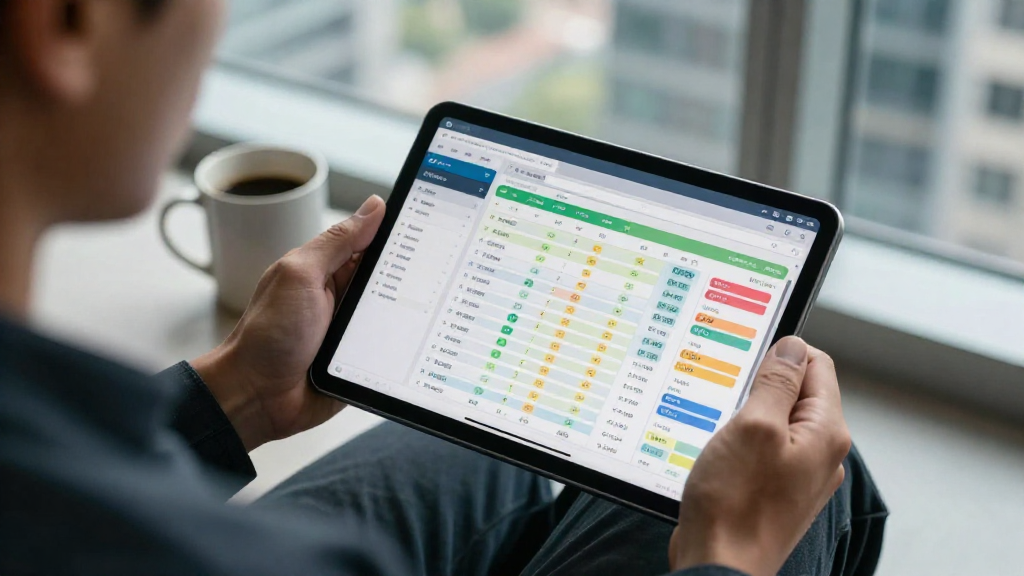
    Construction manager’s tablet displaying a colorful cost‑tracking dashboard, coffee mug beside it, natural daylight filtering through a high‑rise window.

    Common Causes of Budget Overruns in Construction Projects

    Even the best‑planned projects can veer off course. Understanding the root causes is the first step toward preventing budget overruns in construction.

    1. Scope Creep

    When project requirements expand without formal approval, costs balloon.
    Example: A client requests an additional staircase midway through a residential build, adding 8 % to labor and material budgets.

    2. Inaccurate Cost Estimates

    Relying on outdated market rates or incomplete data leads to underestimation.
    Example: A contractor underestimated steel prices by 15 % due to a sudden spike in global demand.

    3. Delays and Weather

    Unplanned downtime costs labor and equipment.
    Example: A week of rain at a coastal site pushed the schedule back, inflating overhead by 12 %.

    4. Material Price Volatility

    Raw material costs can fluctuate dramatically.
    Example: Cement prices rose by 18 % during a critical phase, pushing the project over budget.

    5. Labor Issues

    Unexpected absences or overtime can erode margins.
    Example: A skilled electrician’s strike led to a 20 % increase in labor costs for the electrical scope.

    Key Takeaway

    Preventing budget overruns in construction starts with a rigorous baseline and a formal change‑management process. Every request for scope adjustment should trigger an immediate cost‑impact assessment.

    Tools and Techniques for Construction Budget Overrun Tracking

    Technology has transformed how we monitor and control costs. Below are the most effective tools and techniques that empower project managers to stay ahead of overruns.

    1. Real‑Time Cost Monitoring Solutions

    • Mobile Apps – Field teams capture expenses on the go, uploading receipts and labor hours instantly.
    • IoT Sensors – Track material usage, equipment utilization, and environmental conditions in real time.
    • Cloud‑Based Platforms – Centralize data, enabling instant access for all stakeholders and supporting budget tracking software for construction teams across the office and field.

    These solutions give you the real‑time cost monitoring you need to react before small variances become major overruns.

    2. Budget Tracking Software for Construction

    Top‑tier solutions offer integrated modules for estimating, invoicing, and reporting. Key features include:

    • Automated variance alerts – Immediate notifications when spend exceeds predefined thresholds.
    • Predictive analytics – Forecast future cost trends based on current performance.
    • Customizable dashboards – Tailor views for executives, project managers, and on‑site crews.

    3. Integration of Project Management and Budgeting Tools

    Modern platforms combine schedule management, resource allocation, and cost control in a single ecosystem. By linking Gantt charts, subcontractor agreements, and purchase orders directly to the budget, you eliminate duplicate data entry and ensure that every change order automatically updates the financial outlook. This seamless integration is essential for comprehensive construction budget overrun tracking.

    4. Proactive Change‑Management Processes

    • Formal change request forms – Capture scope modifications, cost impact, and approval workflow.
    • Baseline revision protocol – Update the baseline budget only after senior‑level sign‑off.

    5. Continuous Training & Culture

    Encourage a culture where every team member understands the cost impact of their decisions. Regular training on the budgeting software and on interpreting variance reports keeps the entire crew aligned with financial goals.


    Ready to Keep Your Projects on Budget?

    If you’re looking for a reliable, integrated solution for construction budget overrun tracking, let us help. Contact us today for a free demo of our leading budget tracking software for construction and discover how real‑time monitoring and seamless project‑management integration can safeguard your bottom line.


    Professional. Friendly. Focused on your success.

  • Agriculture: market price unpredictability

    Agriculture: market price unpredictability

    Navigating Agricultural Market Price Volatility: Trends, Tools, and Tactics for Farmers

    Every year, farmers confront a 12 % swing in commodity prices, a volatility that translates into billions of dollars in lost revenue and heightened risk. Understanding the forces behind this agricultural market price volatility isn’t just curiosity—it’s a survival skill for anyone who grows or sells food. In this guide we’ll break down the drivers of price swings, spotlight the latest market trends, and arm you with practical strategies to tame uncertainty. Whether you run a small family farm or own a mid‑size agribusiness, the insights here will help you stay ahead of the curve.

    Golden wheat field at sunset{ width=100% }

    Understanding the Causes of Agricultural Market Price Volatility

    Price volatility in agriculture is a multi‑layered phenomenon. While weather is the most obvious culprit, a web of supply‑chain dynamics, policy decisions, and speculative trading also play pivotal roles. Grasping these elements equips you to anticipate shocks and make informed choices.

    Weather Extremes: Nature’s Unpredictable Hand

    • Droughts reduce yields, tightening supply and spiking prices.
    • Floods damage crops before harvest, creating sudden shortages.
    • Unseasonal frosts can wipe out entire harvests overnight.

    Pro Tip: Subscribe to localized weather alerts and feed them into your farm‑management software. Real‑time rainfall and temperature data can trigger pre‑emptive actions—like adjusting irrigation schedules or deploying frost protection—before market prices react.

    Global Supply Chains: The Ripple Effect

    • Transportation bottlenecks (port congestion, rail strikes) delay deliveries, compressing supply windows.
    • Export restrictions from major producers (China, Brazil) can abruptly lift global prices.
    • Currency fluctuations affect import costs and export competitiveness.

    Key Takeaway: Diversify your distribution channels. A mix of rail, truck, and even river transport can buffer against localized disruptions, giving you more control over when and where your product hits the market.

    Policy Shifts: The Legislative Pulse

    • Subsidy adjustments alter production incentives, influencing supply levels.
    • Tariff changes on key imports/exports shift domestic price structures.
    • Regulatory changes (e.g., organic certification standards) can open or close market segments.

    “Policy moves often lag behind market realities, but their impact can be immediate. Staying attuned to legislative developments is as crucial as monitoring crop health.”

    Market Speculation: The Invisible Hand

    • Futures contracts let producers lock in prices, but large institutional players can sway market sentiment.
    • Commodity ETFs bring retail investors into the mix, amplifying price swings.
    • Information asymmetry—when some traders have better data—creates uneven playing fields.

    Pro Tip: Use transparent, real‑time market data platforms like AgriWatch or FarmLogs to monitor futures volumes and open interest. Spotting speculative trends early lets you adjust hedging strategies before prices spiral.

    Key Market Trends Affecting Farm Product Prices

    The agricultural landscape is evolving at a breakneck pace. From shifting consumer preferences to climate‑driven production changes, staying on top of farming price trends and crop price volatility analysis is essential for long‑term profitability.

    Trade Wars and Tariffs: The New Global Battlefield

    • The U.S.–China trade friction introduced tariffs on soybeans and corn, pushing U.S. producers to seek alternative buyers.
    • European anti‑dumping duties on U.S. beef tightened export channels, nudging prices upward in domestic markets.
    • Tariff cycles can create “price spikes” that last only a few months but devastate cash flow.

    Key Takeaway: Keep a pulse on WTO updates and regional trade agreements. A proactive stance—such as diversifying export destinations—can mitigate the shock of sudden tariff impositions.

    Consumer Demand Shifts: Health, Sustainability, and Convenience

    • Plant‑based diets have surged, boosting demand for legumes and alternative proteins.
    • Organic labeling commands premium prices but comes with stricter compliance costs.
    • Convenience foods (pre‑cut produce, meal kits) drive demand for ready‑to‑eat crops, often at higher margins.

    Pro Tip: Conduct a quick market survey of local retailers and food‑service buyers to gauge emerging demand signals. Aligning your crop mix with these trends can capture price premiums before the market saturates.

    Technological Advancements: Precision and Automation

    • AI‑driven yield prediction models help farmers forecast output and adjust planting densities.
    • Blockchain traceability opens premium niche markets for certified products.
    • Drones and satellite imaging provide granular data on field health, enabling early intervention.

    “Technology isn’t just a tool; it’s a new layer of market intelligence that can turn volatility into opportunity.”

    Strategies for Managing Price Uncertainty in Agriculture

    Even with the best forecasts, price swings are inevitable. The following tactics give small‑to‑medium farms practical ways to reduce risk and capture upside.

    Real‑Time Price Monitoring Tools

    1. AgriWatch – Live commodity price dashboards, alerts for threshold breaches, and a mobile app for on‑the‑go checks.
    2. FarmLogs Market Feed – Integrates weather, soil, and market data to produce an agricultural commodity price forecast you can act on instantly.
    3. GrainBridge – A free platform that aggregates regional grain terminal prices, helping you spot arbitrage opportunities.

    How to use them: Set alerts for your primary crops (e.g., corn, soy, wheat) when price moves ±5 % from the 30‑day average. Pair the alert with a pre‑written decision checklist (sell now, hold, or hedge).

    Hedging & Risk Management for Small‑to‑Medium Farms

    • Mini‑futures contracts on exchanges like CME allow contracts as low as 5,000 bushels—perfect for family farms.
    • Crop‑insurance add‑ons (Revenue Protection, Price Protection) lock in a minimum income level based on an agricultural commodity price forecast.
    • Co‑op pooling – Join a local growers’ cooperative that aggregates your volume to negotiate better futures prices and lower transaction costs.

    Simple Hedge Example: If corn futures are trading at $5.80/bushel and you expect a harvest of 10,000 bushels, sell one mini‑future contract (5,000 bushels) to lock in that price. The remaining 5,000 bushels stay flexible for spot‑market opportunities.

    Diversification & Value‑Added Options

    • Crop rotation with high‑margin specialty crops (hemp, quinoa, heirloom tomatoes) can smooth income when staple prices dip.
    • On‑farm processing (drying, milling, packaging) creates a value‑added product that often commands a premium and reduces exposure to raw‑commodity price swings.

    Building a Knowledge Network

    • Join online forums (e.g., AgriTalk, Reddit r/farming) and local extension services for real‑time intel.
    • Attend regional webinars on farming price trends and crop price volatility analysis to keep your forecasting models current.

    Ready to Turn Volatility into Opportunity?

    If you want more actionable insights, tools, and step‑by‑step guides to boost your farm’s profitability, [click here to drive SEO traffic and grow your audience].


  • Finance: fraud detection delays

    Finance: fraud detection delays

    The Hidden Cost of Delayed Fraud Detection: How Slow Responses Drain Your Bottom Line

    Every 3 seconds a fraudulent transaction slips through a bank’s security system. When those missed alerts accumulate, the cost of delayed fraud detection can reach hundreds of millions for large institutions. In this post we break down real‑world numbers, show how fraud detection timing turns into money lost, and give you a playbook to cut fraud detection delays before they erode your profit margins.

    Bank lobby at dawn, commuters with smartphones, city skyline reflected in glass windows

    What Causes Fraud Detection Delays?

    Fraud detection delays arise from a combination of technology, process, and human factors. Understanding these root causes helps you target the impact of delayed fraud detection before it spreads.

    The Domino Effect of Missed Alerts

    • Immediate loss – Direct theft of funds.
    • Secondary impact – Customer churn and lost future revenue.
    • Tertiary fallout – Regulatory fines and legal fees.

    When a bank fails to flag a transaction within the first 30 minutes, it typically loses 70 % of the recoverable amount.

    Pro Tip: Deploy a tiered alert system that escalates suspicious activity within seconds.

    Industry Benchmarks: Banking, FinTech, E‑Commerce

    Sector Avg. Detection Time Avg. Loss per Incident % of Total Fraud Cost
    Retail Banking 45 min $3,200 35 %
    FinTech 15 min $1,800 25 %
    E‑Commerce 10 min $1,200 20 %

    These figures illustrate how fraud detection timing directly correlates with the financial fraud detection cost across industries. Faster detection saves money, trust, and compliance.

    How Delays Affect Your Bottom Line

    Delays ripple through every financial metric—from gross profit to shareholder value. Below are the most common cost categories tied to the cost of delayed fraud detection.

    Direct Financial Losses

    • $12 million average loss per year for a mid‑size bank due to delayed fraud detection.
    • $5,000 average loss per fraudulent transaction that remains unflagged for more than 1 hour.

    Reputational Damage and Customer Attrition

    • 3 % of customers may leave a bank after a single unaddressed fraud incident.
    • A 1‑point drop in Net Promoter Score (NPS) can reduce customer lifetime value by $2,500.

    Regulatory Penalties and Compliance Costs

    • FinCEN fines can reach $1 million for non‑compliance with AML protocols.
    • Each missed detection adds $200,000 in potential regulatory audit costs.

    Operational Inefficiencies and Opportunity Cost

    • $250,000 per quarter spent on manual investigations when automated alerts are delayed.
    • Lost cross‑sell opportunities amount to $1.5 million annually when fraud is not caught early.

    Key Takeaway: The impact of delayed fraud detection extends far beyond immediate theft—it creates a systemic drain on revenue, reputation, and regulatory standing.

    Control room with analysts monitoring real‑time dashboards

    Preventing and Minimizing Fraud Detection Delays

    Speed is the new currency in fraud defense. Here’s how to shave minutes—or even seconds—off your detection cycle and reduce the fraud detection delay consequences.

    Investing in Real‑Time Analytics

    • Deploy streaming data pipelines that process transactions in milliseconds.
    • Use event‑driven architectures to trigger alerts the moment a rule is breached.

    Tiered Alert Systems

    • Classify alerts by risk level and route high‑severity cases to a rapid‑response team within seconds.
    • Automate escalation for low‑risk alerts to keep analysts focused on the most critical incidents.

    Machine‑Learning Models Trained on Fresh Data

    • Retrain models weekly with the latest fraud patterns to maintain high detection accuracy.
    • Combine supervised and unsupervised techniques to uncover both known and emerging threats.

    Continuous Monitoring & Automated Remediation

    • Implement closed‑loop workflows that automatically freeze or reverse suspicious transactions.
    • Integrate with core banking APIs to enforce real‑time controls without manual intervention.

    Workforce Enablement

    • Provide analysts with unified dashboards that surface key metrics—detection time, false‑positive rate, and potential loss—so they can act decisively.

    Pro Tip: Measure fraud detection delays as a KPI and set a target of <5 minutes for high‑value transactions.

    Boardroom discussion with declining profit graph on screen


    Ready to Reduce the Cost of Delayed Fraud Detection?

    If you’re serious about cutting fraud detection delays and protecting your bottom line, let’s talk. Contact us today for a free assessment and discover how real‑time analytics, AI‑driven alerts, and streamlined processes can eliminate the hidden costs of delayed fraud detection.


  • Beauty & Wellness: client retention strategies

    Beauty & Wellness: client retention strategies

    Beauty and Wellness Client Retention Strategies: A Data‑Driven Playbook for Salon Owners

    Did you know that 70 % of new beauty clients never return after their first visit? In the highly competitive beauty and wellness industry, mastering beauty and wellness client retention strategies is the difference between a thriving salon and a stagnant one. This guide explores data‑driven client retention tactics for the beauty industry, CRM integration, and personalized marketing automation that turn one‑time visitors into loyal, repeat customers.

    Analytics dashboard on a salon desk


    Understanding Client Retention in Beauty & Wellness

    Retention is the lifeblood of any beauty business. While acquisition costs can be high, the cost of losing a client is far greater. By focusing on client retention tactics in the beauty industry, salons can improve profitability, reduce marketing spend, and build a reputation for excellence.

    The Anatomy of Retention

    • Client Lifetime Value (CLV) – Projected revenue from a client over the entire relationship.
    • Retention Rate – Percentage of clients who return within a defined period (e.g., six months).
    • Churn Rate – Inverse of retention; the percentage of clients who stop visiting.
    • Frequency of Visits – How often clients book services, a key driver of revenue stability.

    Why Data Matters

    • Predictive Analytics – Identify patterns that signal an upcoming churn.
    • Segmentation – Tailor offers to distinct client personas.
    • Performance Tracking – Measure the impact of loyalty programs and promotions.

    Pro Tip: Use a CRM that logs every touchpoint—appointments, product purchases, feedback—and automatically flags clients whose engagement drops below a set threshold.


    Data‑Driven Tactics to Boost Loyalty

    Turning raw data into actionable insight requires a systematic approach. Below are proven, data‑driven tactics that have helped salons increase repeat bookings by up to 35 %.

    1. Implement a Robust CRM System

    A modern CRM is more than a contact list; it’s a decision‑support engine that enables integration of CRM tools for retention.

    • Automated Reminders – Send SMS or email prompts for upcoming appointments or product replenishment.
    • Behavioral Triggers – When a client misses an appointment, trigger a personalized follow‑up.
    • Integrated Marketing Automation – Seamlessly push tailored offers based on past services and purchase history.

    Salon reception with CRM dashboard

    2. Personalize Marketing Automation for Beauty Clients

    Personalization is no longer optional; it’s a retention imperative.

    • Dynamic Email Campaigns – Segment by service type, loyalty tier, or last‑visit date; use dynamic content blocks to recommend complementary treatments or products.
    • Targeted SMS Offers – Send exclusive “last‑minute” discounts to clients who have booked less frequently.
    • Loyalty Program Optimization – Offer tiered rewards that scale with visit frequency or spend.

    Key Takeaway: Clients who receive personalized communication are 2.5 times more likely to book again.

    3. Leverage Data‑Driven Loyalty Programs

    Retention metrics for beauty salons show that a well‑structured loyalty program can increase repeat visits by 20–30 %. Design programs that:

    • Reward early‑stage repeat bookings to accelerate CLV growth.
    • Use point accrual based on service categories, encouraging cross‑selling.
    • Provide data‑backed incentives (e.g., “book three hair‑color sessions, get a complimentary facial”).

    Measuring Success: Key Retention Metrics

    To evaluate the effectiveness of your beauty and wellness client retention strategies, track the following metrics regularly:

    Metric Definition Why It Matters
    Client Lifetime Value (CLV) Total projected revenue per client Guides budget allocation for retention initiatives
    Retention Rate % of clients who return within a set period Direct indicator of loyalty program health
    Churn Rate % of clients lost over the same period Highlights gaps in service or communication
    Visit Frequency Average number of appointments per client per month Correlates with steady cash flow
    Average Revenue per Visit Total sales ÷ total visits Helps assess upsell effectiveness

    Regularly compare these figures against industry benchmarks for the beauty and wellness sector. When you notice a dip in any metric, use your CRM’s analytics to pinpoint the underlying cause and adjust your client retention tactics accordingly.


    Ready to Accelerate Your Salon’s Growth?

    Implementing the right beauty and wellness client retention strategies—backed by data, a robust CRM, and personalized automation—can transform one‑time visitors into lifelong advocates.

    Boost your salon’s SEO Traffic and retention today!


  • Restaurant: food waste and inventory loss

    Restaurant: food waste and inventory loss

    How to Reduce Food Waste in Restaurants: A Profit‑Boosting Playbook

    Restaurant owners and managers know that every discarded plate is a line item on the loss side of the ledger. Yet most kitchens still waste over $1 million a year in food waste—a staggering amount that could be redirected toward menu innovation, staff training, or marketing. If you’re looking to reduce food waste in restaurants, you’re not just saving money—you’re also boosting your brand’s reputation, improving sustainability, and tightening your bottom line.

    Busy restaurant kitchen{: .center width=”800″}


    Why Food Waste Matters to Restaurant Profitability

    Impact on the Bottom Line

    Every kilogram of food that slips through the cracks costs more than its purchase price. Food waste cost savings can reach up to $6 per ton in lost inventory, not including labor, storage, and disposal fees. When a mid‑size bistro cuts waste by 30 %, it can see a 12 % increase in gross profit within the first six months.

    “We cut our waste from 18 % to 12 % in the first quarter after implementing a real‑time inventory dashboard,” says Maria Lopez, owner of Bella Bistro. “That translated into a $45,000 boost to our quarterly profit.”

    Key Takeaway: Reducing food waste directly translates into higher margins and a stronger competitive edge.

    Environmental Footprint

    Sustainability is no longer a buzzword—it’s a consumer expectation. Restaurants that manage waste efficiently lower their carbon footprint, attract eco‑conscious diners, and qualify for green certifications.

    Customer Perception

    Guests are increasingly savvy about sustainability. A study by the National Restaurant Association found that 63 % of diners prefer restaurants that actively reduce food waste in restaurants and showcase transparent waste‑reduction practices.


    Common Causes of Food Waste and Inventory Loss

    Cause How It Drives Waste Connection to Inventory Loss in Restaurants
    Over‑prepping Ingredients sit too long, spoil, or become unsafe. Inflates inventory counts and masks true inventory loss in restaurants.
    Inaccurate forecasting Over‑ordering leads to excess perishable stock. Directly creates inventory loss in restaurants when items expire.
    Portion size mis‑management Larger plates mean more leftovers. Increases waste without improving perceived value.
    Poor storage practices Improper temperature or labeling causes spoilage. Contributes to hidden inventory loss in restaurants.
    Lack of staff training Misunderstanding of first‑in‑first‑out (FIFO) and waste tracking. Amplifies inventory loss in restaurants through human error.

    Case Study: The Green Spoon Café

    • Problem: 22 % of weekly produce discarded due to over‑ordering.
    • Action: Implemented a simple spreadsheet that logged daily sales vs. forecast and set a “max‑order” rule.
    • Result: Cut produce waste by 35 % in three months, saving $9,800 and reducing overall inventory loss in restaurants by 18 %.

    Practical Strategies to Reduce Waste and Save Money

    1. Conduct a Waste Audit (How to Reduce Inventory Loss)

    • Step 1: Record all discarded items for one week.
    • Step 2: Categorize waste (prep, spoilage, plate waste).
    • Step 3: Identify the top three waste generators.

    Toolkit: Download our free Restaurant Waste Audit Checklist (link below) and start tracking today.

    2. Optimize Ordering and Forecasting

    • Use historical sales data to set realistic par levels.
    • Adopt a “just‑in‑time” ordering system for high‑turnover items.

    3. Implement Real‑Time Inventory Management

    • Deploy a cloud‑based dashboard that alerts you when items approach expiration.
    • Integrate POS data to automatically adjust inventory counts, helping you how to reduce inventory loss.

    4. Train Staff on Portion Control & FIFO

    • Run short, hands‑on workshops each shift.
    • Post visual guides at prep stations.

    5. Repurpose Surplus Creatively

    • Turn day‑old bread into croutons or panzanella.
    • Use vegetable trimmings for stocks or sauces.

    6. Partner with Food Recovery Programs

    • Donate safe, surplus food to local shelters.
    • Earn tax deductions while enhancing community goodwill.

    7. Track Food Waste Cost Savings Monthly

    • Compare weekly waste weight against baseline.
    • Celebrate milestones with the team to maintain momentum.

    Actionable Toolkit & Checklist

    Restaurant Waste‑Reduction Checklist

    • [ ] Perform a 7‑day waste audit.
    • [ ] Identify top 3 waste categories.
    • [ ] Set weekly waste reduction targets (e.g., 5 % drop).
    • [ ] Implement real‑time inventory alerts.
    • [ ] Train staff on FIFO and portion standards.
    • [ ] Create a “scrap‑to‑stock” recipe board.
    • [ ] Schedule monthly review of food waste cost savings.

    Download the full PDF version[Get My Free Waste‑Reduction Toolkit](https://example.com/waste-toolkit)


    Ready to Cut Costs and Boost Profits?

    If you’re serious about reducing food waste in restaurants and want a customized plan to tackle inventory loss in restaurants, let’s chat. Fill out the short form below and we’ll send you a free, no‑obligation analysis of your kitchen’s waste hotspots.

    [Schedule My Free Consultation](https://example.com/consultation)


    Casual, data‑driven, and focused on real results—because every bite counts.