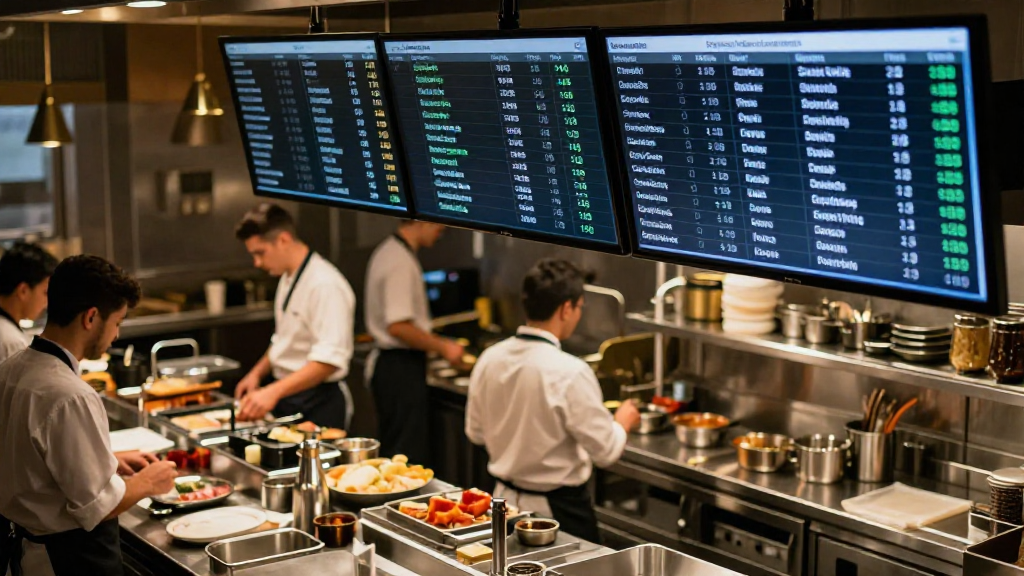
Seasonal Demand Forecasting: A Data‑Driven Blueprint to Boost Retail Profits
Retailers lose up to 20 % of potential revenue each season when they misread the pulse of consumer demand. That gap between what shoppers want and what shelves hold isn’t just a cost—it’s a missed growth opportunity. In this guide we’ll show you how seasonal demand forecasting powered by data‑driven demand forecasting can turn uncertainty into a competitive advantage.

The Importance of Accurate Seasonal Demand Forecasting in Retail
Why Accuracy Matters: Customer Experience & Cash Flow
When forecasts hit the mark, inventory arrives just in time, shelves stay stocked, and customers find what they need—boosting satisfaction and repeat visits. Over‑stocking ties up capital in unsold goods, while under‑stocking frustrates shoppers and drives them to competitors. Accurate seasonal demand forecasting keeps the balance, ensuring healthy cash flow and growing loyalty.
Real‑World Consequences of Misforecasting
- Lost sales during peak periods because products are out of stock.
- Markdowns and clearance sales that erode profit margins.
- Warehouse congestion leading to higher handling costs.
- Negative brand perception when customers repeatedly find items unavailable.
A mid‑sized apparel retailer, Boutique Apparel Co., reported a 15 % drop in sales during the holiday season after relying on manual forecasts. After adopting a data‑driven demand forecasting approach, they recovered that loss and added 12 % more revenue the following year.
“Forecasting isn’t just a number; it’s a strategic lever that can shift the entire retail equation.”
Key Takeaway: Inaccurate seasonal demand forecasting is a silent revenue thief—correcting it unlocks immediate sales gains and long‑term brand equity.
Data‑Driven Techniques to Enhance Forecast Accuracy
Leveraging Historical Sales & External Variables
The foundation of any robust forecast is clean, granular data. Combine historical sales with external variables such as weather, local events, and economic indicators.
- Collect transactional data at the SKU level.
- Enrich with weather‑API data, event calendars, and social‑media sentiment.
- Normalize for seasonality and long‑term trends.
Advanced Statistical Models
Statistical methods like ARIMA and Prophet excel at capturing linear trends and seasonality—ideal when datasets are stable and interpretability matters.
- ARIMA: Handles autocorrelation and seasonal patterns in time‑series data.
- Prophet: Designed for business forecasting; automatically incorporates holidays and trend shifts.
Machine‑Learning Approaches
When patterns become non‑linear or data volumes grow, machine‑learning shines. Algorithms such as XGBoost, Random Forest, and LSTM neural networks detect complex interactions, delivering higher accuracy.
- XGBoost: Handles missing values and categorical data natively.
- LSTM: Captures long‑term dependencies in sequential data.
Integrating Forecasts with Inventory & Merchandising Systems
The true power of data‑driven demand forecasting is realized when insights flow directly into operational platforms. Seamless integration ensures that:
- Replenishment orders reflect the latest demand signal.
- Merchandising plans align with predicted sales velocity.
- Dynamic pricing adjusts to anticipated demand shifts.
Pro Tip: Adopt an API‑first architecture so your forecasting engine can push real‑time signals to ERP, POS, and merchandising systems, eliminating manual data‑entry errors.
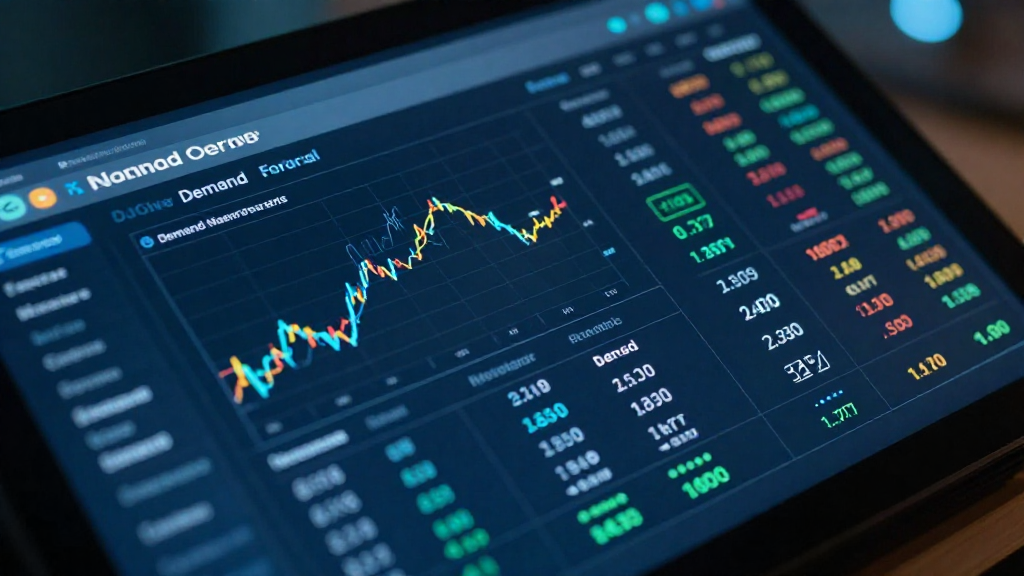
Mini Case Study: Electronics Retailer Boosts Margins
TechGear, a mid‑sized electronics chain, integrated its forecast model with its ERP system. Within six months they:
- Reduced markdowns by 18 %.
- Increased gross margin by 4.7 % (≈ $1.2 M annual profit uplift).
“The synergy between data insights and operational execution is where the real ROI materializes.”
Key Takeaway: Integration turns predictive power into actionable inventory moves, directly translating into higher margins and reduced waste.
Choosing the Right Tools and Technologies for Seasonal Forecasting
Criteria for Tool Selection
- Data compatibility: Supports existing warehouses and file formats.
- Scalability: Handles growing SKU catalogs and transaction volumes.
- User‑friendly interface: Empowers business users without deep technical expertise.
- Integration capabilities: Offers APIs or connectors to ERP, POS, and merchandising platforms.
Popular Seasonal Demand Forecasting Tools
| Tool | Strength | Ideal For |
|---|---|---|
| SAP IBP | Real‑time analytics, strong SAP integration | Enterprise retailers |
| Oracle Demantra | Advanced statistical models, robust reporting | Mid‑to‑large retailers |
| Microsoft Power BI + Azure ML | Customizable models, cost‑effective | Tech‑savvy teams |
| Forecast Pro | User‑friendly, quick deployment | Small to mid‑size retailers |
Cloud vs. On‑Premise Solutions
- Cloud: Faster deployment, automatic updates, lower upfront costs.
- On‑Premise: Greater control over data security and customization.
Retailers with strict data‑sovereignty requirements may lean toward on‑premise, while those prioritizing agility often choose cloud.
Implementation Roadmap
- Assess readiness: Review inventory data quality, staff skillsets, and existing systems.
- Pilot: Run a proof‑of‑concept on a single product category.
- Scale: Expand to full SKU coverage and integrate with inventory.
- Optimize: Continuously monitor forecast accuracy and refine models.
A mid‑size home‑goods retailer, HomeStyle Decor, followed this roadmap and achieved a 25 % reduction in excess inventory within nine months, saving $3.5 M in carrying costs.
“The journey from data to decision is iterative; each cycle brings sharper insights.”
Pro Tip: Schedule quarterly model reviews to incorporate new market trends and adjust for seasonality shifts.
Conclusion
Seasonal demand forecasting is no longer optional—it’s a strategic imperative that can transform inventory management, pricing, and customer satisfaction. By harnessing data‑driven demand forecasting techniques, integrating insights with your inventory and merchandising systems, and selecting the right seasonal demand forecasting tools, retail businesses can improve demand forecasting accuracy and unlock tangible ROI.
Ready to turn data into dollars?
- Download our free Seasonal Demand Forecasting Guide
- Sign up for a complimentary consultation
Start forecasting with confidence and watch your profits grow.
Leave a Reply