
Manufacturing Supply Chain Disruption Solutions: A Blueprint for Resilience
According to a 2023 McKinsey study, 85 % of manufacturers experienced at least one major supply‑chain disruption in the last two years. When a single component fails, an entire production line can grind to a halt, costing millions in lost revenue and eroding customer trust. That statistic isn’t just a warning—it’s a call to action. In this guide we’ll explore the most common triggers, present proven mitigation frameworks, and show how logistics optimization can turn vulnerability into a competitive advantage. If you’re a manufacturing professional or decision‑maker looking to future‑proof your operations, read on.
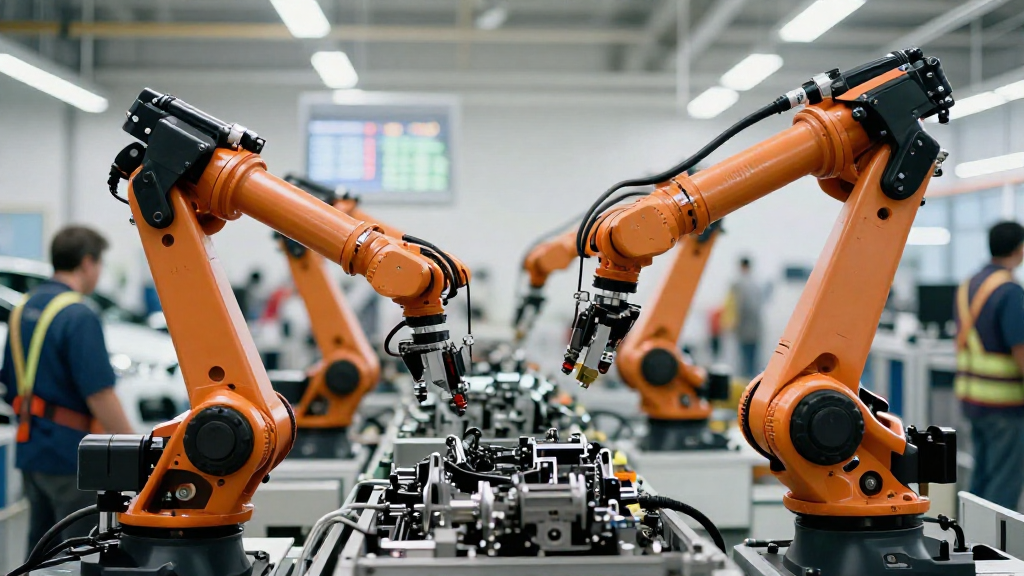
Understanding the Causes of Supply Chain Disruptions in Manufacturing
Disruptions rarely stem from a single source. They’re the result of a complex web of internal and external pressures. Below are the most critical factors manufacturers must monitor.
Natural Disasters and Climate Events
- Extreme weather (floods, hurricanes, wildfires) can shut down ports, rail lines, and power grids.
- Supply‑chain latency typically increases by 40 % during severe weather events.
Geopolitical Tensions and Trade Policies
- Sudden tariffs can double the cost of a key component.
- Export restrictions may block a supplier’s ability to ship to your plant.
Supplier Instability
- Financial distress in a supplier’s business can lead to production halts.
- Over‑reliance on a single vendor creates a single point of failure.
Demand Volatility
- Rapid shifts in consumer preferences (e.g., the surge in electric vehicles) can outpace production schedules.
- Seasonal demand spikes can overwhelm inventory buffers.
Key Takeaway: A resilient supply chain is built on visibility, diversification, and real‑time risk assessment. Mapping every node in the network lets you anticipate and mitigate cascading failures before they hit production.
Mini Case Study – Automotive Parts Supplier in Mexico
A mid‑size engine‑parts manufacturer in the U.S. faced a sudden shutdown of its Mexican supplier due to a hurricane. By maintaining an alternative supplier in Canada and a 10‑day safety stock, the company avoided a 12‑week production delay and saved $3.2 M in lost orders.

Proven Strategies to Mitigate Supply Chain Risks
Turning awareness into action requires a structured framework that blends supply chain risk management with proactive logistics optimization. The following step‑by‑step playbook is designed for immediate implementation.
- Diversify Your Supplier Base
- Identify at least three tier‑one suppliers for every critical component.
- Conduct annual risk assessments to evaluate financial health and geopolitical exposure.
- Implement Real‑Time Visibility Platforms
- Deploy IoT sensors on key assets to track location, temperature, and condition.
- Integrate data into a unified dashboard that alerts managers to deviations before they become crises.
- Collaborate on Forecasting and Demand Planning
- Share demand data with suppliers to align production schedules.
- Use AI‑driven forecasting tools to predict demand spikes with ±5 % accuracy.
- Calculate and Maintain Optimal Safety Stock
-
Apply the Service Level Model:
[
SS = Z \times \sigma \times \sqrt{LT}
]where Z = service‑level factor, σ = demand variability, LT = lead time.
- Establish Rapid Re‑source Protocols
- Pre‑qualify backup suppliers and keep a “quick‑turn” inventory of essential parts.
- Conduct tabletop drills every six months to test response times.
Pro Tip: Leverage blockchain technology to create immutable, real‑time records of every transaction. This improves traceability and speeds up dispute resolution when delays occur.
Mini Case Study – Electronics Manufacturer in Taiwan
An electronics firm integrated a real‑time visibility platform that connected suppliers in Vietnam, China, and Mexico. When a sudden tariff on Chinese components was announced, the firm instantly identified the impact, switched to a Vietnam supplier, and avoided a $1.5 M loss.
Optimizing Logistics for Greater Resilience
Even with a solid supply‑chain foundation, logistics can be a hidden vulnerability. Below are actionable tactics to fine‑tune transportation and warehousing, turning logistics optimization into a strategic lever.
Route Optimization & Multimodal Transport
- Use AI algorithms to evaluate cost, transit time, and risk for each route.
- Switch to multimodal options (rail + truck) when weather threatens sea lanes.
Warehouse Automation & Flexibility
- Deploy robotic picking systems to reduce labor dependency.
- Implement cross‑dock operations to shorten storage time during peak demand.
Last‑Mile Flexibility
- Partner with local micro‑fulfillment centers to cut delivery times by 30 %.
- Offer customers real‑time shipment tracking to improve satisfaction.
Sustainable Logistics Practices
- Shift to electric freight where feasible to reduce carbon footprint and meet tightening regulations.
- Optimize load density to cut fuel consumption by 15 % per shipment.
Key Takeaway: Logistics optimization is not just about cost savings—it’s a strategic lever that turns supply‑chain agility into a competitive edge.
Mini Case Study – Aerospace Components Distributor in Germany
A German distributor adopted an AI‑driven route planner that reduced average delivery time from 7 days to 4.5 days. By integrating electric trucks for last‑mile delivery, they cut fuel costs by 12 % and improved on‑time performance from 88 % to 96 %.
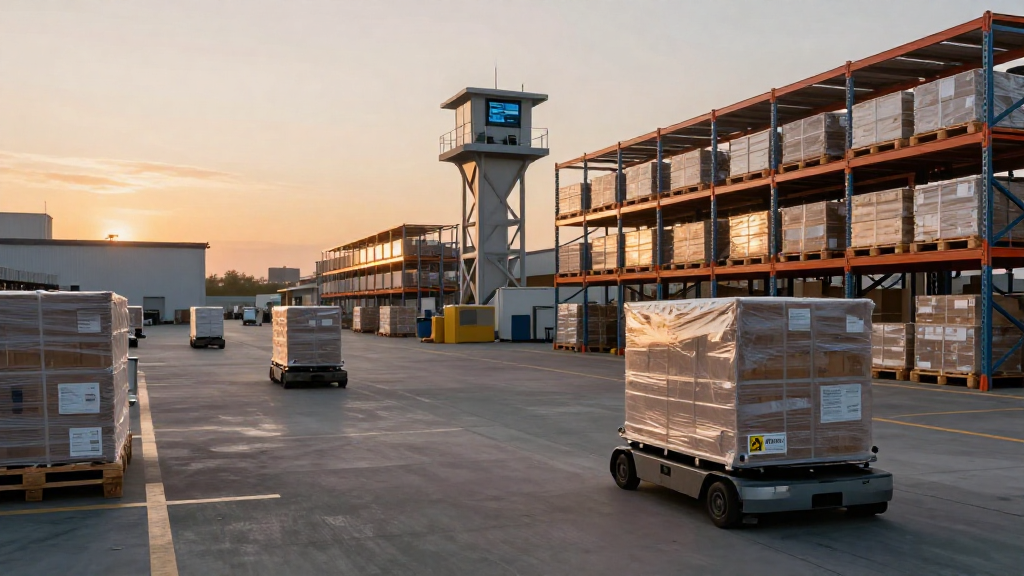
Real‑World Success Stories
| Company | Industry | Challenge | Solution | Result |
|---|---|---|---|---|
| AutoParts Inc. | Automotive | 12‑week shutdown after hurricane hit Mexican supplier | Dual‑supplier strategy + safety stock | 0 downtime, $4.5 M saved |
| ElecTech Co. | Electronics | Tariff shock on Chinese components | Real‑time visibility + rapid re‑source | $1.5 M avoided |
| AeroMate Ltd. | Aerospace | Inefficient last‑mile delivery | AI route optimization + electric trucks | 30 % faster, 12 % fuel savings |
Pro Tip: When selecting a logistics partner, evaluate their risk‑management maturity—do they have a documented contingency plan, real‑time tracking, and a history of rapid response? A partner’s resilience directly reflects on your own.
Conclusion: Build a Resilient Future Today
Manufacturing supply chain disruption solutions are no longer optional; they’re essential in an increasingly volatile world. By understanding root causes, deploying a structured supply chain risk management framework, and continuously pursuing logistics optimization, you can transform potential crises into strategic opportunities.
Ready to Take the Next Step?
- Download our free guide on resilient supply‑chain strategies.
- Register for our upcoming webinar on building a future‑proof manufacturing network.
The future belongs to those who can anticipate change and adapt faster than their competitors. Let’s build that future together.
Lead Generation CTA: [Get Your Free Resilience Guide Now] (link to landing page)
Leave a Reply