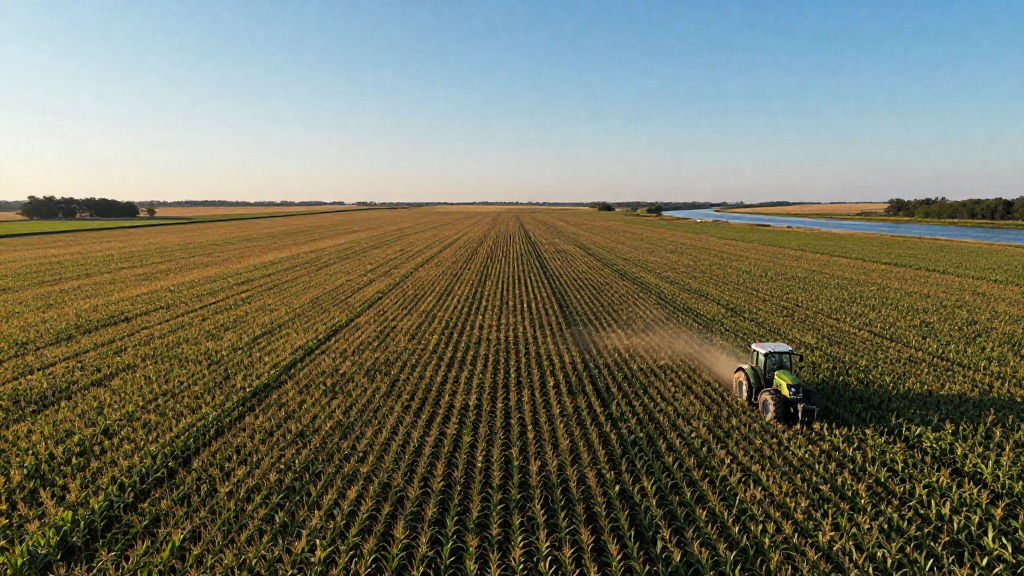
Reducing Water Waste in Agriculture: Proven Technical Solutions for Sustainable Water Use
Every year, U.S. agriculture consumes roughly 70 % of the nation’s freshwater, yet about 20 % of that water is lost to inefficiencies. That translates to more than 2 billion gallons wasted per acre on average across the country. For farm owners, engineers, and sustainability specialists, the question isn’t just why this waste occurs—it’s how to eliminate it. In this post we dive deep into reducing water waste in agriculture, covering data‑driven ROI, cutting‑edge technology, and real‑world case studies that prove sustainable water use in farming can be both profitable and planet‑friendly.
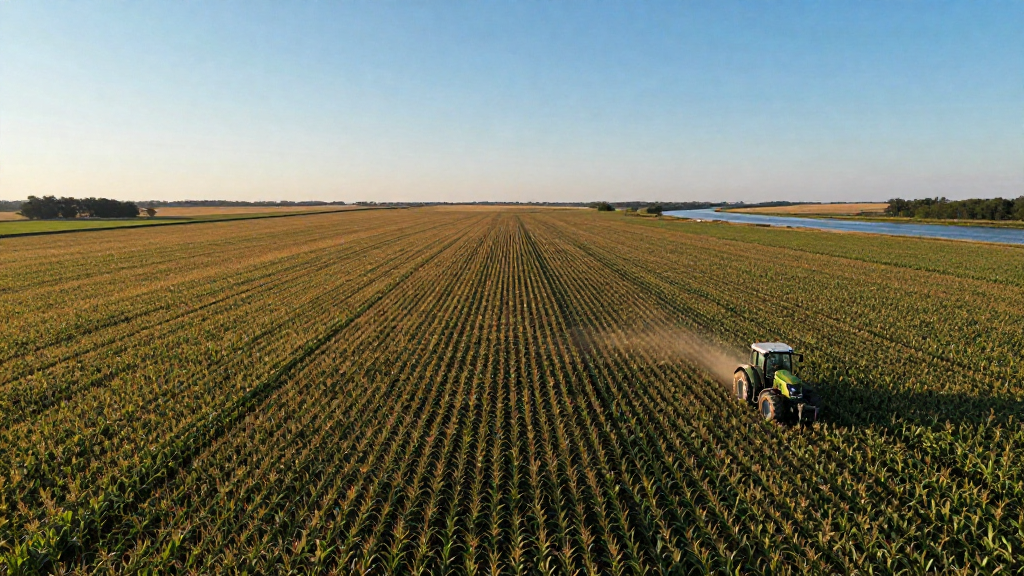
Understanding Water Waste in Agriculture
The Scale of Water Waste
Water loss in farming is not a single problem; it’s a constellation of issues:
- Irrigation inefficiencies – Traditional flood or furrow systems can lose up to 50 % of applied water through seepage and evaporation.
- Leaching and runoff – Excess water percolates beyond the root zone, carrying nutrients and chemicals into groundwater.
- Equipment downtime – Leaky pipelines, clogged nozzles, and poorly calibrated pumps waste energy and water alike.
- Poor soil health – Compacted or low‑organic‑matter soils exacerbate runoff and reduce infiltration.
A 2019 USDA report estimated that $2.5 billion in water‑related costs could be avoided annually by addressing these inefficiencies.
Key Takeaway – The majority of water waste originates from outdated irrigation practices and sub‑optimal soil conditions—both of which are rectifiable with technology and management.
Why It Matters for Your Bottom Line
- Cost savings – Cutting irrigation volume by 10 % can reduce water bills by up to $15,000 on a 200‑acre operation.
- Yield stability – Precise water delivery ensures crops receive exactly what they need, reducing stress and boosting harvest quality.
- Regulatory compliance – Many states now require water‑efficiency reporting; non‑compliance can trigger fines.
Pro Tip – Conduct a water audit before investing in new tech. Identify the biggest leak points and inefficiencies to target your ROI most effectively.
Technological Solutions to Reduce Water Usage
Precision Irrigation Water Savings
Precision irrigation is the cornerstone of modern water‑conservation strategies. By delivering water only where, when, and how much is needed, these systems can slash water use by 30–70 %.
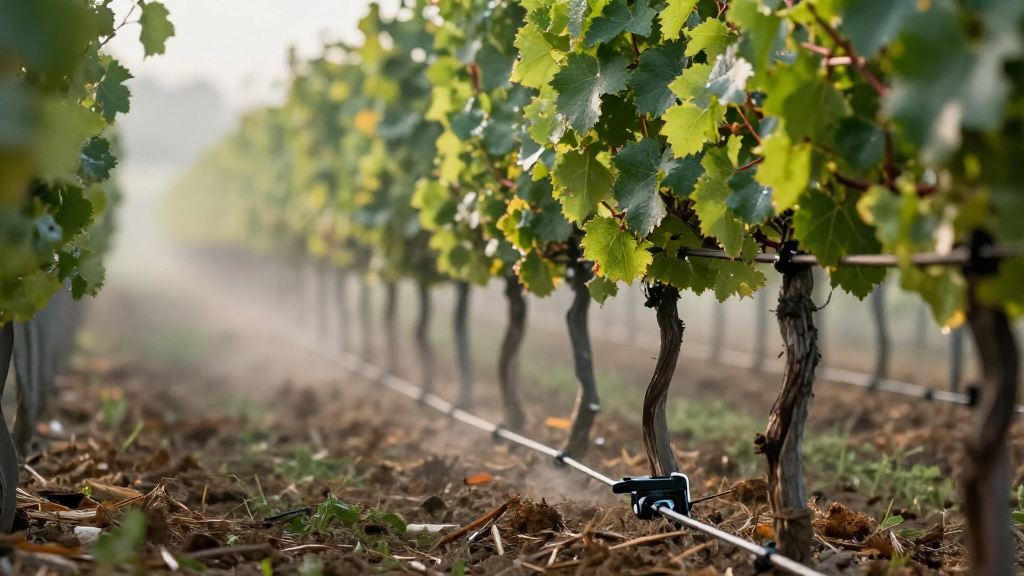
- Drip and micro‑sprinkler systems – Emit water at low pressure, minimizing evaporation.
- Variable Rate Irrigation (VRI) – Adjusts flow rates across a field based on real‑time data.
- Soil moisture sensors – Provide continuous feedback, enabling automated shut‑off when moisture thresholds are met.
- Weather‑based controllers – Reduce irrigation during forecasted rainfall.
ROI Snapshot – A mid‑size soybean farm installed a VRI system and reported a $45,000 return on investment within 18 months, driven by water savings and yield gains.
Pro Tip – Pair VRI with a soil moisture network to avoid over‑watering in high‑yield zones; this synergy often yields the highest water savings.
Resource Waste Management Agriculture: Soil Health & Mulching
Healthy soils act as natural sponges, retaining moisture and reducing runoff. Technologies that support soil health are as critical as irrigation tech.
- Cover cropping – Reduces evaporation, improves infiltration, and adds organic matter.
- No‑till or reduced‑till systems – Preserve soil structure, enhancing water retention.
- Compost and biochar amendments – Increase porosity and nutrient‑holding capacity.
- Mulch application – Lowers surface evaporation and moderates temperature swings.
A 2020 study of 15 Midwest farms showed that integrating cover crops and no‑till practices cut runoff by 45 % and improved yield by 5 %.
Sustainable Water Use in Farming: Policy & Incentives
Regulatory incentives play a pivotal role in accelerating technology adoption. Understanding these programs can unlock significant financial support:
- USDA Conservation Stewardship Program (CSP) – Offers up to $6,000 per acre for water‑efficiency measures.
- State Water Conservation Grants – California’s Water Efficiency Incentive Program (WEIP) can reimburse up to 80 % of equipment costs.
- Carbon credit markets – Soil‑health practices that sequester carbon can generate tradable credits.
- Tax credits – Certain states provide federal tax deductions for energy‑efficient irrigation equipment.
Case in Point – A Texas ranch leveraged CSP funds to install a solar‑powered drip system, recouping $12,000 in grants and saving $3,200 annually on water and energy bills.
Key Takeaway – Combining technology with available incentives can transform a $50,000 investment into a net gain within two years.
Case Studies: Successful Water Conservation in Farming
Case Study 1 – Midwest Corn Farm: From Flood to Precision
- Farm: 500 acres of corn in Illinois.
- Challenge: 45 % of irrigation water lost to seepage.
- Solution: Implemented VRI with soil moisture sensors; replaced flood lines with drip emitters.
- Results:
- Water savings – 55 % reduction (≈ 1.2 million gallons annually).
- Yield increase – 3 % due to consistent moisture.
- ROI – Payback period of 12 months; annual savings of $55,000.
Pro Tip – Use a phased rollout—start with high‑value plots to demonstrate savings before full‑field adoption.
Case Study 2 – California Vineyard: Sustainable Water Use in an Arid Climate
- Farm: 50 acres of Cabernet Sauvignon in Napa.
- Challenge: Limited water rights and high evaporation rates.
- Solution: Installed a subsurface drip network, added mulch, and adopted a weather‑based irrigation controller.
- Results:
- Water savings – 70 % reduction (≈ 300,000 gallons annually).
- Wine quality – Improved sugar concentration and flavor profile.
- ROI – Payback period of 9 months; annual savings of $30,000.
Key Takeaway – In water‑scarce regions, combining precision irrigation with soil‑health practices delivers both economic and quality benefits.
Lessons Learned
- Data is king – Continuous monitoring and analytics turn raw data into actionable insights.
- Start small, scale fast – Pilot projects reduce risk and build stakeholder confidence.
- Leverage incentives – Early engagement with grant programs can offset upfront costs.
- Holistic approach – Pair irrigation tech with soil‑health measures for maximum impact.
Final Thoughts
Reducing water waste in agriculture isn’t just an environmental imperative—it’s a strategic business decision that yields measurable returns. By embracing precision irrigation water savings, investing in resource waste management agriculture practices, and tapping into regulatory incentives, farms can achieve sustainable water use in farming that protects resources and boosts profitability.
Download our free whitepaper, “Water Conservation Strategies for Agricultural Businesses,” to access deeper insights, detailed ROI models, and a step‑by‑step roadmap tailored to your operation.
The future of farming is water‑smart. Equip your fields with the technology, data, and support they need to thrive—today and for generations to come.
Ready to start saving water and money?
Get the whitepaper now – fill out the short form and our specialists will contact you with a customized savings estimate.
Leave a Reply