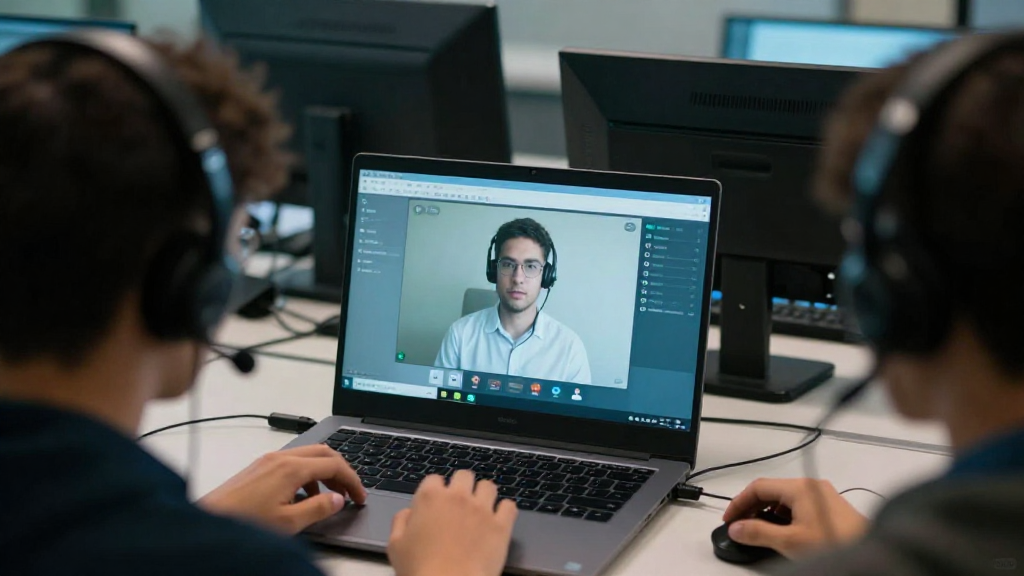
Online Exam Integrity: Proven Strategies and Cutting‑Edge Solutions for Educators
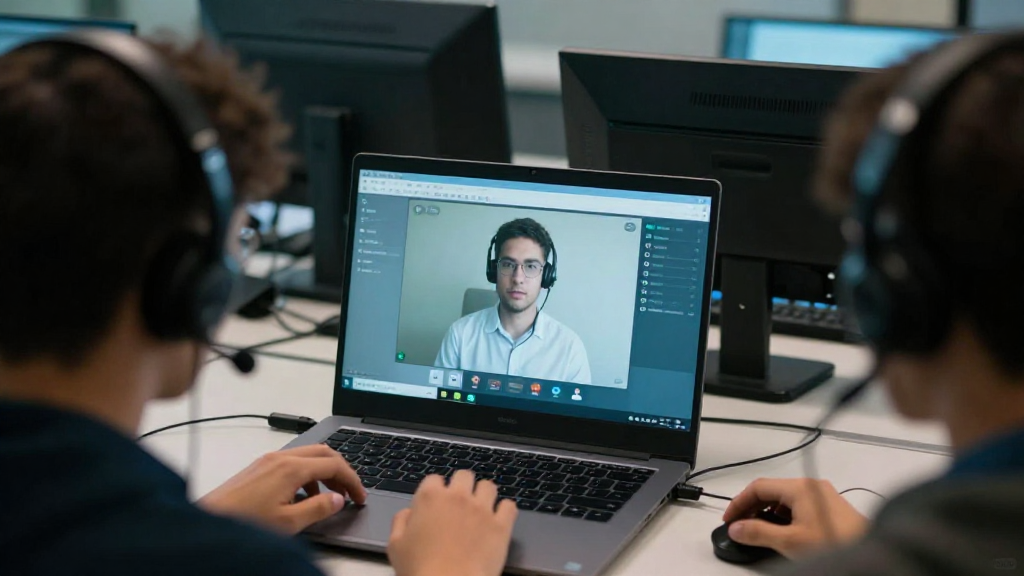
A recent survey found that 1 in 5 online exams contained at least one cheating incident. That statistic isn’t just a headline – it’s a call to action for every educator and administrator who relies on remote assessment to gauge learning. Maintaining online exam integrity is no longer optional; it’s a cornerstone of academic credibility, student trust, and institutional reputation.
Why Online Exam Integrity Matters
The Stakes for Students, Institutions, and Accreditation
When exams are compromised, the ripple effects touch every stakeholder. Students who cheat undermine the achievements of their peers, eroding the value of a degree. Institutions risk losing accreditation, donor confidence, and the trust of prospective students. Moreover, legal and ethical obligations under FERPA, GDPR, and other privacy regulations demand robust exam security best practices.
Impact on Learning Outcomes
Research shows that exam integrity correlates strongly with learning gains. In a controlled study, classes that employed stringent online proctoring solutions reported a 12 % increase in mastery scores compared to those that didn’t. When students perceive assessments as fair, they engage more deeply with the material rather than resort to shortcuts.
Real‑World Case Study: University X’s Exam Fraud Incident
In 2021, University X discovered that a group of 14 students coordinated to share answers during a remote final. Audit logs revealed anomalous IP addresses and simultaneous logins from the same network. The fallout included a temporary suspension of online assessments, a $250,000 settlement with the state education board, and a complete overhaul of assessment protocols. The incident underscored that prevent cheating in online exams requires proactive, layered defenses.
Pro Tip – Implement automated audit logging from the outset. Even basic timestamp and IP tracking can deter casual cheating and provide evidence if an incident occurs.
Key Takeaway
A robust framework for online exam integrity protects the learning ecosystem, upholds institutional reputation, and aligns with accreditation standards.

Key Best Practices for Maintaining Exam Integrity
1. Robust Authentication Protocols
- Multi‑factor authentication (MFA) – combine passwords with a mobile device or biometric factor.
- Identity verification – photo‑ID checks or government‑issued credentials at login.
- Device fingerprinting – detect suspicious device changes mid‑exam.
2. Adaptive Question Pools and Randomization
- Large item banks – reduce answer sharing by offering thousands of unique items.
- Dynamic sequencing – randomize question order per student.
- Time‑based difficulty scaling – adjust difficulty in real time based on performance.
3. Secure Browser Environments
- Browser lockdown – disable copy‑paste, file uploads, and external navigation.
- Screen monitoring – capture periodic screenshots to detect unauthorized materials.
- Network restrictions – block VPNs and proxies that could mask cheating behavior.
4. Real‑Time Monitoring and AI‑Based Cheating Detection
- Live proctoring – human reviewers watch video feeds for suspicious activity.
- AI‑driven pattern analysis – algorithms flag rapid answer changes, unusually consistent response times, or eye‑tracking anomalies.
- Post‑exam forensic review – combine AI alerts with human judgment for final adjudication.
5. Clear Communication and Academic Honesty Policies
- Pre‑exam briefing – explain rules, technology, and consequences.
- Consent forms – obtain explicit permission for monitoring and data collection.
- Transparency logs – give students access to their own audit logs for review.
Pro Tip – Layer your security: combine MFA, secure browsers, AI detection, and human oversight. Each layer addresses a different threat vector, making your system resilient against sophisticated cheaters.
Key Takeaway
Best practices form a defense‑in‑depth strategy. By combining authentication, adaptive content, secure environments, AI analytics, and transparent policies, educators can dramatically reduce cheating incidents and preserve assessment integrity.
Innovative Technologies for Secure Online Assessments
AI‑Driven Proctoring Platforms
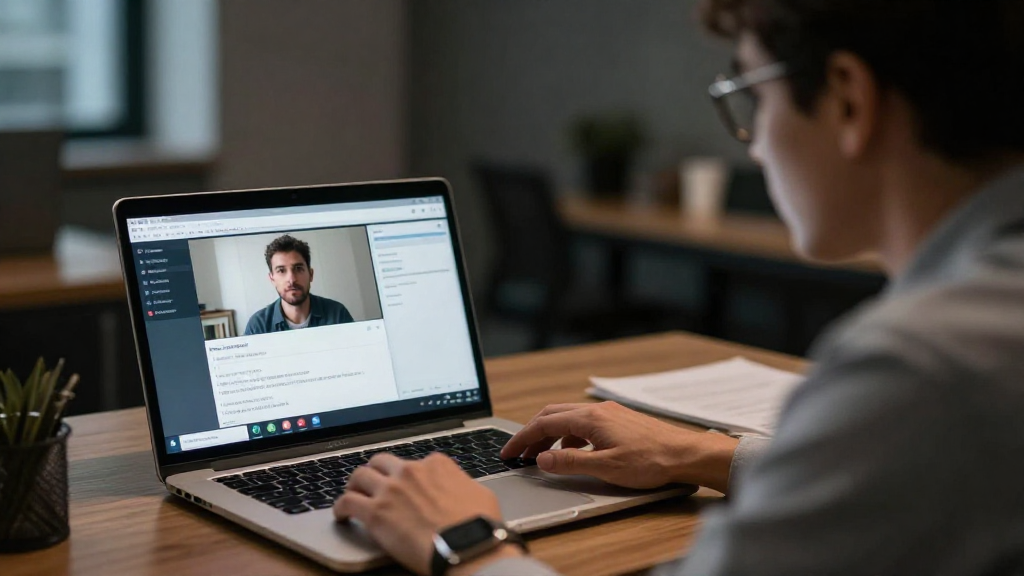
Modern AI proctoring solutions analyze video, audio, and screen activity to detect cheating cues. They can flag:
- Unusual head movements indicating a look at a hidden screen.
- Multiple audio sources suggesting a second person is present.
- Screen sharing that reveals external documents.
These platforms generate detailed reports, enabling administrators to audit sessions and identify systemic vulnerabilities.

Browser Lockdown and Secure Browsers
Lockdown browsers restrict the computing environment to a single, secure window. Key features include:
- Disabling keyboard shortcuts that could launch new applications.
- Preventing screen capture to stop photos of answer keys.
- Enforcing full‑screen mode to eliminate multitasking.
When paired with AI monitoring, lockdown browsers become a formidable barrier to cheating.
Biometric Verification and Secure Login
Biometric checks—fingerprint, facial recognition, or voiceprint—add a layer of identity assurance, reducing the risk of credential sharing.
- Facial recognition uses AI to match the live image against the student’s ID photo.
- Voiceprint captures unique vocal patterns during the exam.
Remote Assessment Integrity with Blockchain
Blockchain provides immutable audit trails for exam data. Each session can be hashed and stored on a distributed ledger, ensuring:
- Tamper‑evidence – any alteration to exam data is immediately visible.
- Transparent provenance – stakeholders can verify the integrity of exam content and results.
Case Study: Implementation at College Y
College Y integrated an AI‑driven proctoring platform with a custom lockdown browser across all remote assessments. Within six months:
- Cheating incidents dropped by 78 %.
- Student satisfaction scores increased by 15 % (students appreciated the clear, consistent process).
- Faculty workload reduced by 30 % thanks to automated flagging and streamlined review.
The college also adopted a blockchain ledger for exam results, earning praise from accreditation bodies for its transparency.
Choosing the Right Online Proctoring Solution
When evaluating vendors, consider:
- Compliance – does the solution meet FERPA, GDPR, and other privacy standards?
- Scalability – can it handle peak exam loads without latency?
- Integration – does it work with your LMS and analytics tools?
- Support – is 24/7 technical assistance and a dedicated account manager available?
- Cost – compare per‑exam versus subscription models and watch for hidden fees.
Pro Tip – Conduct a pilot program with a small cohort before full deployment. Use the pilot to test usability, detect false positives, and gather faculty feedback.
Key Takeaway
Emerging technologies—AI proctoring, lockdown browsers, biometrics, and blockchain—offer powerful tools to safeguard remote assessments. The most effective strategy combines multiple technologies with clear policies and continuous monitoring.

Conclusion
The shift to online learning demands that educators adopt online exam integrity practices that are both rigorous and user‑friendly. By implementing robust authentication, adaptive content, secure browsers, AI analytics, and transparent policies, institutions can deter cheating, protect academic standards, and maintain stakeholder trust.
Download our comprehensive guide to online exam integrity or schedule a consultation with an expert today to ensure your assessments are fair, secure, and future‑proof.
Authority Building CTA: Position your institution as a leader in remote assessment integrity—partner with us to design a customized, AI‑enhanced proctoring strategy that meets the highest exam security best practices.
Leave a Reply