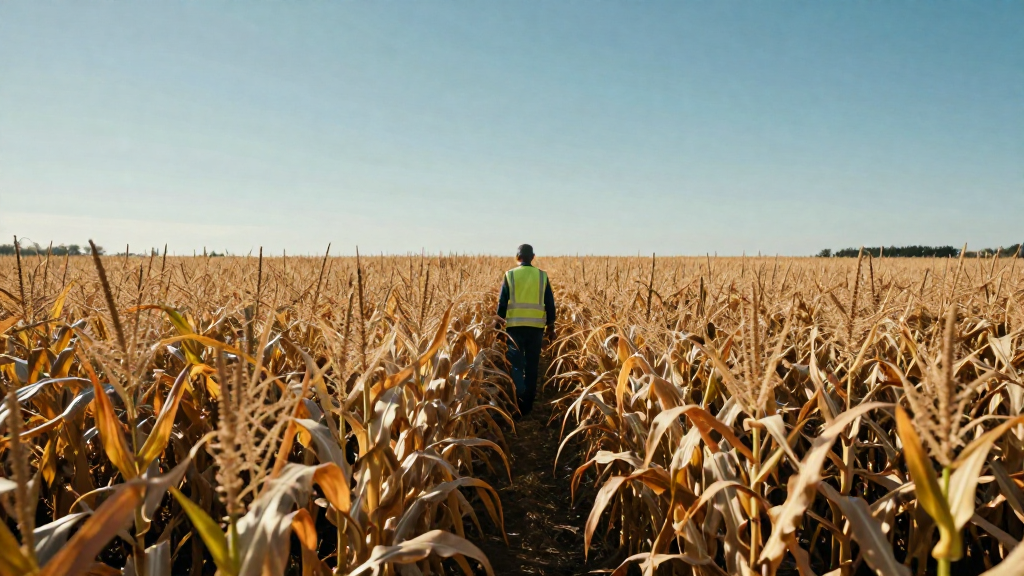
Cutting Through Crop Monitoring Inefficiencies: Proven Solutions for Higher Yields
Farmers across the globe are watching their fields grow—and their profits shrink—because crop monitoring inefficiencies keep them one step behind the market. In 2023, the average small‑holder farm in the Midwest lost 12 % of potential yield due to delayed field assessments, while large agribusinesses reported a 15 % increase in operating costs from reactive instead of proactive crop care.
These numbers aren’t just statistics; they’re a wake‑up call that the old way of watching crops is no longer viable. By embracing modern agricultural technology and turning data into action, farmers can turn those losses into gains. Below, we break down the root causes, show how tech can eliminate inefficiencies, and reveal real‑world success stories that prove precision farming is a game‑changer.
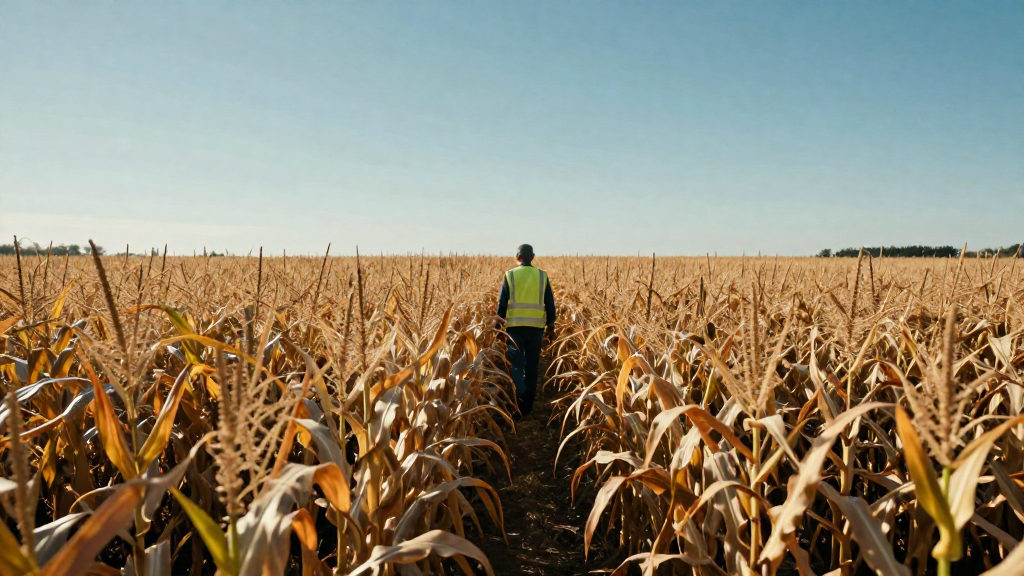
Common Causes of Crop Monitoring Inefficiencies
Labor‑Intensive Field Inspections
Traditional scouting requires walking miles of rows, taking manual notes, and relying on memory. Even a seasoned agronomist can miss subtle stress indicators that appear only in the early stages.
Inaccurate Data Collection
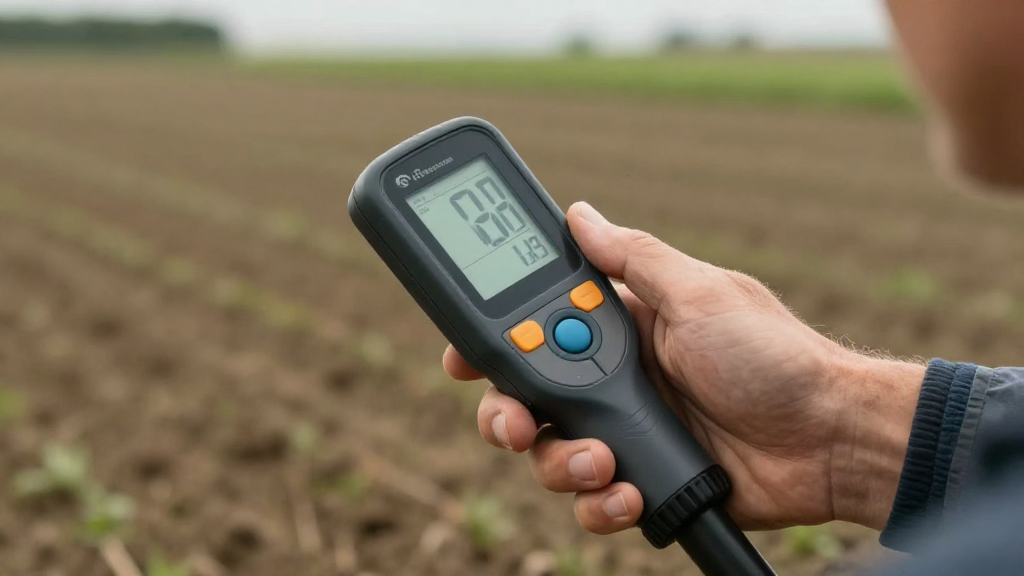
Hand‑held tools like soil probes and moisture meters provide spot‑level data, which is often extrapolated across large areas, leading to misinformed irrigation schedules and nutrient applications.
Delayed Decision‑Making
When data arrives days after the field event, farmers are forced to react rather than anticipate. This lag can mean the difference between a healthy crop and a failed harvest.
Key Insight: The average delay between field observation and actionable insight is 48–72 hours—a window that can cost thousands in lost yield.
Pro Tip: Implement a standardized digital logbook with real‑time photo uploads. Every observation becomes timestamped, geotagged, and instantly accessible for analysis.
How Agricultural Technology Can Improve Crop Monitoring
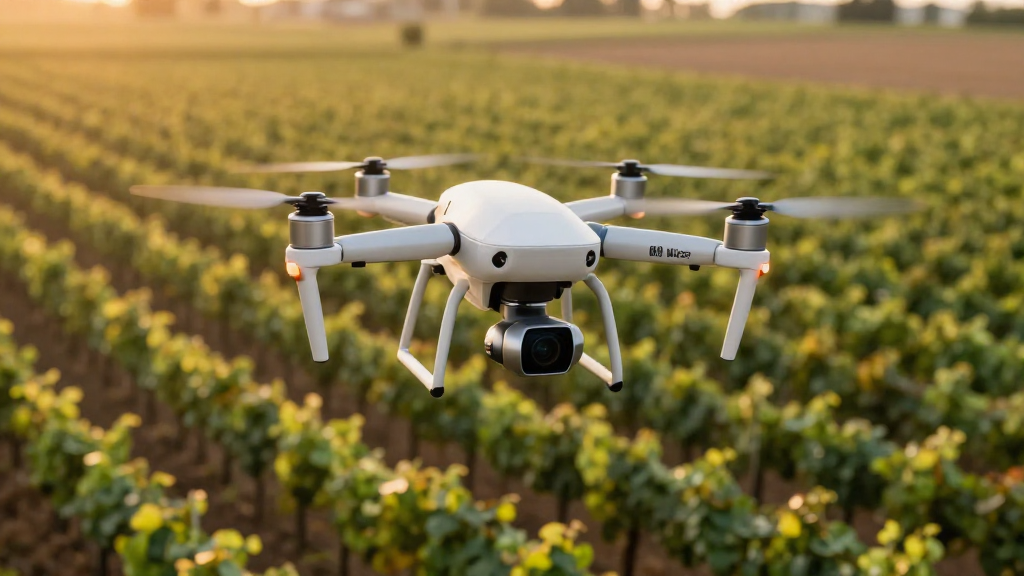
Drones for Real‑Time Imaging
Multispectral and thermal cameras mounted on drones capture high‑resolution imagery within minutes, revealing moisture stress, pest infestations, and nutrient deficiencies that are invisible to the naked eye.
Satellite Imagery for Broad Coverage
Low‑cost, high‑frequency satellite data provides consistent, large‑scale monitoring. It’s ideal for tracking crop health trends, mapping field variability, and predicting yield outcomes before harvest.
IoT Sensors for Micro‑Climate Data
Soil moisture, temperature, and nutrient sensors placed throughout a field deliver continuous, granular data. When integrated into a farm management system, they trigger automated irrigation or fertilization schedules.
AI & Machine Learning for Predictive Analytics
Advanced algorithms analyze sensor and imagery data to forecast disease outbreaks, yield gaps, and optimal harvest windows. This transforms reactive management into proactive decision‑making.
“The fusion of drone imagery with AI analytics has reduced our yield variability by 18 % in the past season.” — Jordan Lee, Crop Manager, Midwest Farm Co.
Pro Tip: Start with a hybrid approach—deploy a few drones for critical zones and complement them with satellite data for overall field health. This layered strategy balances cost and coverage.
Cost‑Benefit Analysis of Precision Farming Tools for Small and Large Farms
ROI for Smallholder Farms
- Initial Investment: $1,200–$3,500 for a basic sensor package + occasional drone flights.
- Annual Savings: 5–10 % reduction in water and fertilizer use; 3–7 % yield increase.
- Payback Period: 1.5–2 years, thanks to lower input costs and higher marketable yield.
ROI for Large Agribusinesses
- Initial Investment: $30,000–$150,000 for integrated crop monitoring solutions (satellite subscriptions, fleet of drones, IoT network).
- Annual Savings: 12–20 % cut in operational expenses; 8–15 % boost in overall productivity.
- Payback Period: 1–1.5 years, amplified by economies of scale and reduced labor overhead.
Takeaway: Whether you manage ten acres or ten thousand, the financial upside of precision farming outweighs the upfront cost when the right mix of technology is applied.
Case Studies: Precision Farming Success Stories
1. Midwest Corn Grower – Drone‑Driven Early Stress Detection
- Challenge: Late detection of nitrogen deficiency was costing $45,000 per season.
- Solution: Weekly drone flights with multispectral imaging, combined with AI‑based analysis.
- Result: 18 % reduction in nitrogen use and a $32,000 increase in net profit within the first year.
2. California Vineyard – Satellite‑Powered Water Management
- Challenge: Over‑irrigation led to water waste and root‑zone salinity.
- Solution: Subscription to a high‑resolution satellite service delivering weekly NDVI maps, integrated with automated drip‑irrigation controls.
- Result: 22 % water savings and a 5 % improvement in grape quality scores.
3. Texas Wheat Farm – IoT Sensor Network for Micro‑Climate Control
- Challenge: Variable soil moisture across 500 ac caused uneven germination.
- Solution: Deployment of 150 soil‑moisture sensors linked to a cloud‑based dashboard that triggers zone‑specific irrigation.
- Result: Uniform emergence, 9 % yield increase, and a $14,000 reduction in pump electricity costs.
These stories illustrate how crop monitoring solutions—from drones to satellites to IoT—can turn inefficiencies into competitive advantages.
Ready to Eliminate Crop Monitoring Inefficiencies?
Start your journey toward smarter, data‑driven farming today. [Get a free technology assessment] and see how agricultural technology can boost your yields while lowering costs.
Professional. Friendly. Results‑Oriented.
Leave a Reply