
Construction Budget Overrun Tracking: The Ultimate Guide to Staying on Budget
Did you know that 70 % of construction projects exceed their budgets by an average of 12 %? Every time a contractor or project manager fails to keep costs in check, the ripple effect hits timelines, client trust, and profit margins. In a market where construction cost overrun is a leading source of project failure, mastering construction budget overrun tracking isn’t just a best practice—it’s a survival skill.

What is Construction Budget Overrun Tracking?
Construction budget overrun tracking is the systematic monitoring of project expenditures against the approved budget, with a focus on identifying and mitigating deviations before they spiral out of control. It blends financial discipline, real‑time data capture, and proactive decision‑making.
Why It Matters
- Stakeholder confidence – Clients demand transparency. A clear tracking system reassures them that their investment is protected.
- Cash flow management – Spotting a cost spike early prevents liquidity crunches.
- Regulatory compliance – Many public‑sector contracts require detailed cost reporting.
Core Elements
- Baseline budget – A detailed, itemized estimate built from historical data, vendor quotes, and labor rates.
- Actual spend tracking – Real‑time recording of invoices, change orders, and labor hours.
- Variance analysis – Automated comparisons that flag deviations beyond a pre‑set threshold.
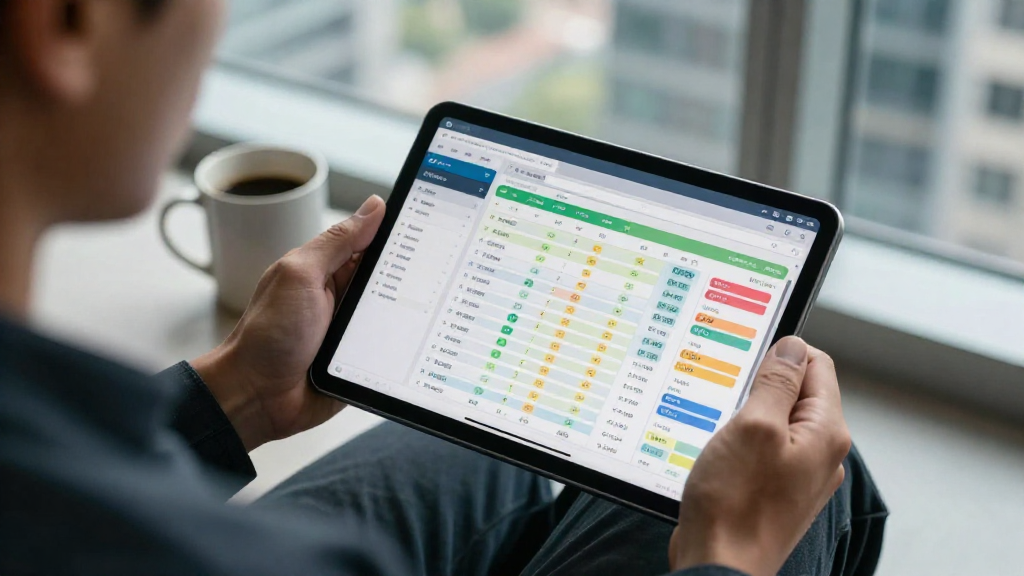
- Reporting dashboards – Visual tools that translate data into actionable insights.
Pro Tip
When setting variance thresholds, use a tiered approach: 5 % for day‑to‑day fluctuations, 10 % for weekly trends, and 20 % for major milestones. This prevents alarm fatigue while still catching early warning signs.
Common Causes of Budget Overruns in Construction Projects
Even the best‑planned projects can veer off course. Understanding the root causes is the first step toward preventing budget overruns in construction.
1. Scope Creep
When project requirements expand without formal approval, costs balloon.
Example: A client requests an additional staircase midway through a residential build, adding 8 % to labor and material budgets.
2. Inaccurate Cost Estimates
Relying on outdated market rates or incomplete data leads to underestimation.
Example: A contractor underestimated steel prices by 15 % due to a sudden spike in global demand.
3. Delays and Weather
Unplanned downtime costs labor and equipment.
Example: A week of rain at a coastal site pushed the schedule back, inflating overhead by 12 %.
4. Material Price Volatility
Raw material costs can fluctuate dramatically.
Example: Cement prices rose by 18 % during a critical phase, pushing the project over budget.
5. Labor Issues
Unexpected absences or overtime can erode margins.
Example: A skilled electrician’s strike led to a 20 % increase in labor costs for the electrical scope.
Key Takeaway
Preventing budget overruns in construction starts with a rigorous baseline and a formal change‑management process. Every request for scope adjustment should trigger an immediate cost‑impact assessment.
Tools and Techniques for Construction Budget Overrun Tracking
Technology has transformed how we monitor and control costs. Below are the most effective tools and techniques that empower project managers to stay ahead of overruns.
1. Real‑Time Cost Monitoring Solutions
- Mobile Apps – Field teams capture expenses on the go, uploading receipts and labor hours instantly.
- IoT Sensors – Track material usage, equipment utilization, and environmental conditions in real time.
- Cloud‑Based Platforms – Centralize data, enabling instant access for all stakeholders and supporting budget tracking software for construction teams across the office and field.
These solutions give you the real‑time cost monitoring you need to react before small variances become major overruns.
2. Budget Tracking Software for Construction
Top‑tier solutions offer integrated modules for estimating, invoicing, and reporting. Key features include:
- Automated variance alerts – Immediate notifications when spend exceeds predefined thresholds.
- Predictive analytics – Forecast future cost trends based on current performance.
- Customizable dashboards – Tailor views for executives, project managers, and on‑site crews.
3. Integration of Project Management and Budgeting Tools
Modern platforms combine schedule management, resource allocation, and cost control in a single ecosystem. By linking Gantt charts, subcontractor agreements, and purchase orders directly to the budget, you eliminate duplicate data entry and ensure that every change order automatically updates the financial outlook. This seamless integration is essential for comprehensive construction budget overrun tracking.
4. Proactive Change‑Management Processes
- Formal change request forms – Capture scope modifications, cost impact, and approval workflow.
- Baseline revision protocol – Update the baseline budget only after senior‑level sign‑off.
5. Continuous Training & Culture
Encourage a culture where every team member understands the cost impact of their decisions. Regular training on the budgeting software and on interpreting variance reports keeps the entire crew aligned with financial goals.
Ready to Keep Your Projects on Budget?
If you’re looking for a reliable, integrated solution for construction budget overrun tracking, let us help. Contact us today for a free demo of our leading budget tracking software for construction and discover how real‑time monitoring and seamless project‑management integration can safeguard your bottom line.
Professional. Friendly. Focused on your success.
Leave a Reply