
Event Vendor Coordination: Mastering the Chaos for Seamless Events
Did you know that 73 % of event planners cite vendor coordination as the biggest source of stress? Every time a venue, caterer, or AV team misfires, the ripple effect can derail even the most meticulously planned event. Mastering event vendor coordination isn’t just a nice‑to‑have—it’s the backbone of any successful production. In this guide we’ll explore the core vendor coordination challenges, reveal industry‑proven solutions, and give you a practical roadmap for solving event vendor coordination with confidence.

What Is Vendor Coordination in Event Management?
Definition and Scope
Event vendor coordination is the systematic process of selecting, contracting, monitoring, and communicating with all external suppliers who contribute to an event’s success. From caterers and florists to lighting rigs and security teams, each vendor is a critical node that must align with the event’s vision, budget, and timeline.
Why It Matters
- Risk mitigation – Clear coordination reduces the chance of last‑minute cancellations or misdeliveries.
- Cost control – Centralized oversight prevents duplicate services and hidden fees.
- Brand integrity – Consistent vendor performance upholds the event’s reputation and attendee experience.
“Vendor coordination is the invisible thread that holds the event tapestry together; without it, the picture falls apart.”
Key Takeaway: Treat vendor coordination as a strategic function, not a peripheral task. Allocate dedicated resources and tools to manage it from day one.
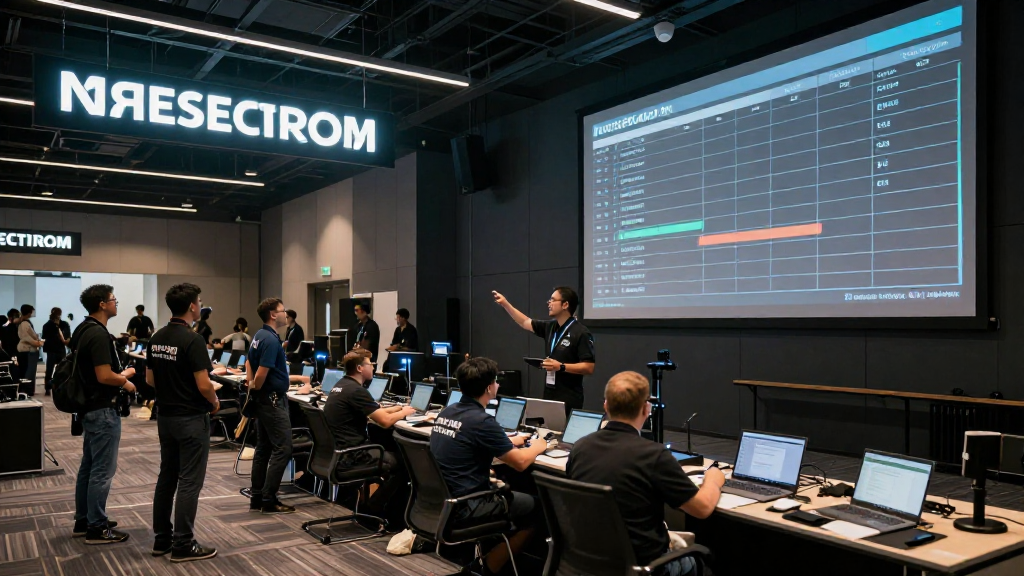
Top Challenges Faced When Coordinating Event Vendors
1. Communication Breakdowns
Inconsistent messaging between planners and vendors leads to misunderstandings about timelines, deliverables, and expectations. A simple misread email can mean a caterer arrives two hours late or a lighting technician forgets to set up the stage backdrop.
Pro tip: Create a single source of truth—a shared digital hub where all event vendor communication lives. This eliminates “email‑trail” confusion and keeps everyone on the same page.
2. Contractual Ambiguities
Vague contracts leave room for interpretation, creating loopholes that vendors can exploit or that planners can’t enforce. Terms like “reasonable effort” or “as‑needed” are often too ambiguous for high‑stakes events.
Key takeaway: Use standardized contract templates that include clear deliverables, timelines, payment milestones, and penalty clauses. Pair this with a concise contract negotiation guideline to ensure both parties understand their obligations.
3. Scheduling Conflicts
Multiple vendors vying for the same space or equipment can cause cascading delays. For example, a venue’s kitchen may be booked by both a catering team and a pop‑up food stall, leading to a scramble for resources.
Pro tip: Implement a centralized scheduling calendar that displays all vendor bookings in real time. Color‑code conflicts and lock slots once confirmed to prevent double‑booking.
4. Quality Assurance Gaps
Without a structured evaluation system, it’s hard to gauge whether a vendor’s performance meets the event’s standards. A florist may deliver subpar arrangements, or a tech team might provide faulty AV equipment.
Key takeaway: Build a vendor performance dashboard that tracks metrics such as on‑time delivery, quality ratings, and client feedback. This provides the data needed for event vendor management best practices and holds vendors accountable.
5. Payment Discrepancies
Late or incorrect payments can sour relationships and jeopardize vendor commitment. Discrepancies often arise from misaligned invoicing schedules or hidden fees.
Pro tip: Align payment terms with vendor milestones and use an automated invoicing system that flags discrepancies before they become problems.
“The real challenge isn’t the vendors themselves; it’s how we manage the dance of expectations, timelines, and resources.”
Key Takeaway: Address each challenge with a specific tool or process; this transforms vendor coordination from a chaotic task into a streamlined workflow.
Proven Strategies to Overcome Vendor Coordination Chaos
-
Adopt an integrated vendor management platform
A cloud‑based solution consolidates contracts, communications, schedules, and performance data in one place, eliminating silos and reducing the risk of missed updates. -
Standardize contract negotiation guidelines
Provide your team with a checklist that covers scope, deliverables, insurance, cancellation policies, and penalty clauses. Consistent contracts speed up approvals and protect both parties. -
Implement robust performance metrics
Track on‑time delivery, budget adherence, quality scores, and post‑event feedback. Use the data to rank vendors and inform future selections—an essential component of event vendor management best practices. -
Centralize all event vendor communication
Use a dedicated channel (e.g., a project‑management tool or a shared Slack workspace) so every message, file, and update is searchable and auditable. -
Create a real‑time scheduling hub
Sync venue, equipment, and staff calendars to a master timeline. Automated conflict alerts keep the plan on track. -
Automate invoicing and payment tracking
Link milestones to payment releases. Automated reminders reduce late‑payment disputes and keep vendor relationships healthy. -
Conduct post‑event debriefs
Review the performance dashboard, gather stakeholder feedback, and document lessons learned. This continuous‑improvement loop refines your event vendor coordination process for future events.
Bottom line: By integrating technology, standardizing contracts, and measuring performance, you can turn vendor coordination challenges into competitive advantages.
Ready to elevate your event planning game?
SEO Traffic
Leave a Reply