
Black Friday Online Shopping Trends: 2024 Insights & Industry Forecast
Black Friday remains the flagship event of the holiday retail season, but the shift to digital marketplaces has turned it into a data‑rich battleground for brands and shoppers alike. Understanding the Black Friday online shopping trends of 2024 is essential for retailers looking to capture market share and for consumers eager to navigate the crowded sale landscape. This post dives into the drivers behind online Black Friday traffic, highlights key consumer behaviors, and explores how digital marketing is reshaping the sales experience. By the end, you’ll have a clear view of what’s hot this year and how to position yourself—whether you’re a retailer or a savvy shopper—to thrive during the biggest shopping day of the year.
What Drives Black Friday Online Shopping Trends?
The surge in online sales during Black Friday is fueled by a confluence of technological, psychological, and economic factors. Retailers who grasp these forces can design campaigns that resonate with shoppers and convert clicks into revenue.
The Role of Mobile Commerce
- Ubiquity of smartphones – 78 % of U.S. consumers use mobile devices to browse deals, and 62 % complete purchases via their phones during Black Friday.
- App‑based loyalty programs – Apps that offer exclusive app‑only coupons or early‑access sales see a 28 % higher conversion rate than web‑only campaigns.
- Push notifications – Timed alerts about flash sales or limited‑stock items drive impulse buys, especially when paired with countdown timers.
Social Media Influence
- User‑generated content – Shoppers rely on Instagram Stories and TikTok videos for real‑time reviews, often making purchase decisions within minutes of seeing a product.
- Influencer partnerships – Brands that collaborate with micro‑influencers (10k‑50k followers) enjoy a 12 % higher engagement rate compared to macro‑influencers, translating into more clicks.
- Social commerce features – Platforms like Facebook Marketplace and Pinterest Shop now allow one‑click purchases, reducing friction and boosting conversion.
Early‑Bird Deals and Flash Sales
- Pre‑Black Friday teasers – 45 % of consumers say they start shopping a week early to secure the best deals, especially when retailers release “early access” codes.
- Micro‑flash sales – 30‑minute bursts of discount on high‑margin items create a sense of urgency that spikes traffic by up to 35 % during those windows.
- Dynamic pricing algorithms – AI‑driven pricing that adjusts in real time keeps prices competitive and encourages quick checkout.
These drivers collectively explain why 2024’s Black Friday online shopping trends are more fragmented, mobile‑centric, and socially integrated than ever before.
Key Consumer Behaviors in 2024
Shoppers are not a monolith; their motivations and habits vary widely. In 2024, several distinct patterns have emerged that shape how brands should target and engage their audience.
Mobile Shopping Patterns
- Early‑day browsing – 55 % of mobile shoppers begin scanning deals before 9 a.m. local time, often using “deal‑aggregator” apps that consolidate multiple retailers.
- One‑tap checkout – 68 % of mobile purchases are completed with a single tap after saving payment information, underscoring the importance of a frictionless checkout flow.
- Voice search – 23 % of mobile users search for specific product names or price ranges via voice assistants, a trend that requires optimized spoken‑language SEO.
Personalized Recommendations
- AI‑driven suggestions – Retailers that employ machine learning for product recommendations see a 20 % lift in average order value during Black Friday.
- Dynamic landing pages – 74 % of shoppers visit landing pages that reflect their browsing history or cart contents, indicating that personalization is a decisive factor in conversion.
Sustainability and Ethical Choices
- Eco‑friendly packaging – 41 % of shoppers are willing to pay a premium for products packaged in recycled materials.
- Transparent sourcing – Brands that highlight ethical supply‑chain practices (e.g., fair‑trade certifications) gain a 15 % higher trust score among millennial and Gen Z shoppers.
- Carbon‑offset options – 12 % of consumers opt into carbon‑offset programs when available, a growing segment that can be leveraged for brand differentiation.
These behaviors illustrate that the modern Black Friday shopper is mobile‑first, data‑driven, and increasingly conscious of ethical and environmental factors.
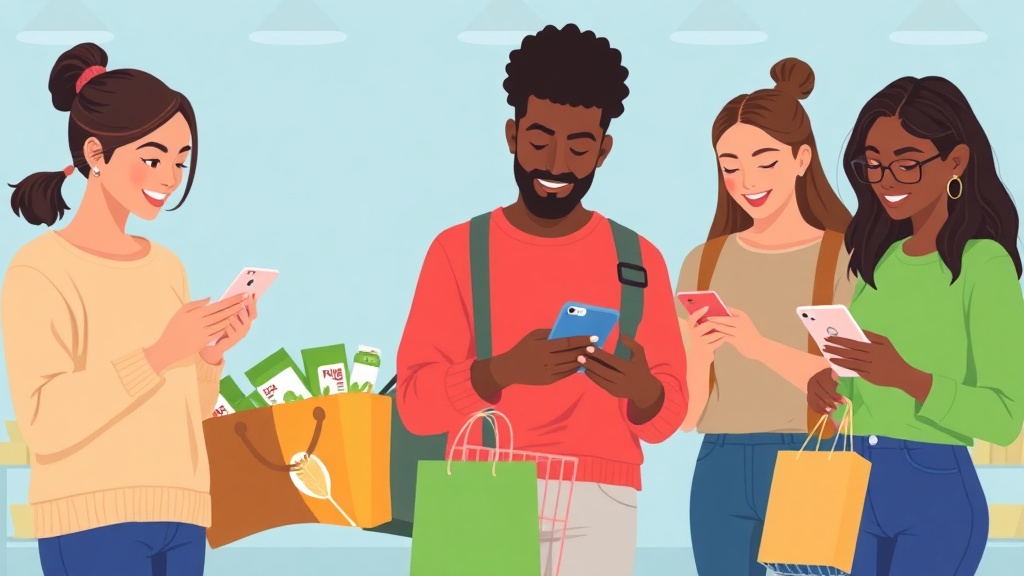
Impact of Digital Marketing on Black Friday Sales
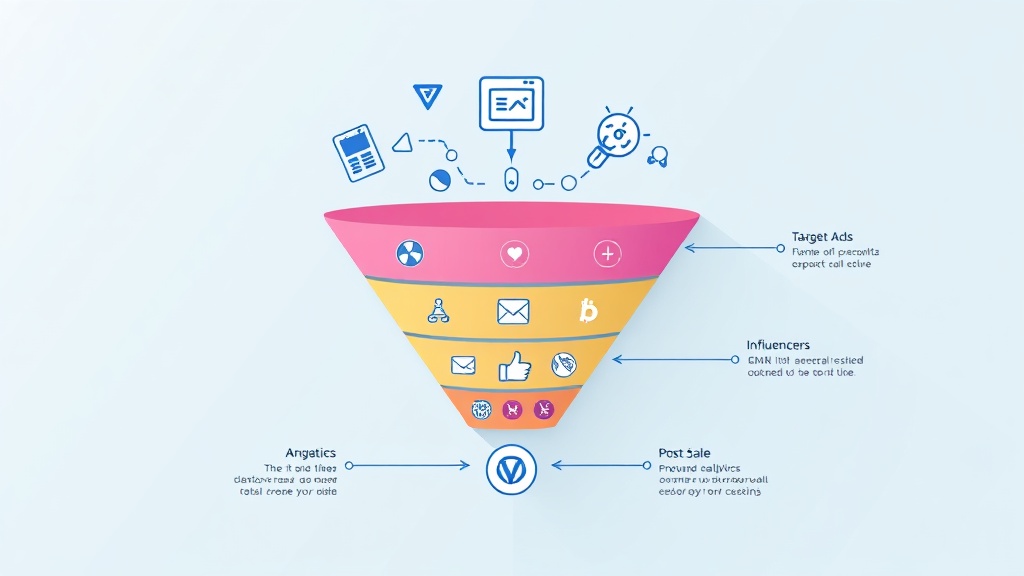
Digital marketing is no longer a support function—it’s the engine that propels Black Friday sales. Understanding its impact helps retailers allocate resources effectively and measure ROI accurately.
Targeted Advertising
- Look‑alike audiences – 62 % of ads that target look‑alike audiences outperform generic campaigns by 18 % in click‑through rates.
- Retargeting windows – A 48‑hour retargeting window after initial visit yields the highest conversion, with a 27 % lift over a 24‑hour window.
- Dynamic creative – Ads that automatically swap product images based on user behavior see a 14 % increase in engagement.
Email Campaigns
- Segmentation – Emails tailored by purchase history outperform broad‑based blasts by 22 % in open rates.
- Subject‑line urgency – Phrases like “24‑Hour Flash Sale” drive a 35 % higher click‑through rate than generic “Black Friday Deals”.
- Personalized product bundles – Offering bundles that complement a shopper’s past purchases increases average order value by 18 %.
Influencer Partnerships
- Micro‑influencer amplification – Partnerships with local micro‑influencers generate 3× higher engagement per follower compared to national macro‑influencers.
- Affiliate tracking – 41 % of micro‑influencer sales during Black Friday come from affiliate links, highlighting the importance of robust tracking systems.
Post‑Black Friday Sales Analysis for Retailers
- Conversion funnel review – 78 % of high‑performing retailers conduct a post‑sale funnel analysis within 48 hours to identify drop‑off points.
- Customer feedback loops – Surveys sent within 24 hours of purchase yield actionable insights, with a 15 % higher response rate when the survey is mobile‑optimized.
- Inventory reconciliation – Retailers that sync sales data with inventory systems in real time reduce stock‑out incidents by 27 %, ensuring a smoother post‑holiday season.
These tactics collectively explain why e‑commerce Black Friday trends are increasingly data‑centric, with a strong emphasis on personalization, real‑time optimization, and post‑event analytics.
Conclusion
Black Friday 2024 is a testament to how digital innovation reshapes retail. The most successful players combine mobile‑first strategies, AI‑powered personalization, and robust post‑sale analytics. By staying ahead of these Black Friday online shopping trends, retailers can not only capture a larger share of holiday sales but also build lasting customer relationships. For consumers, understanding these trends helps you shop smarter—leveraging apps, listening to influencers, and choosing ethical products for a more satisfying experience.
Discover How to Maximize Your Black Friday ROI – build authority, optimize your strategy, and stay ahead of the competition.
Leave a Reply