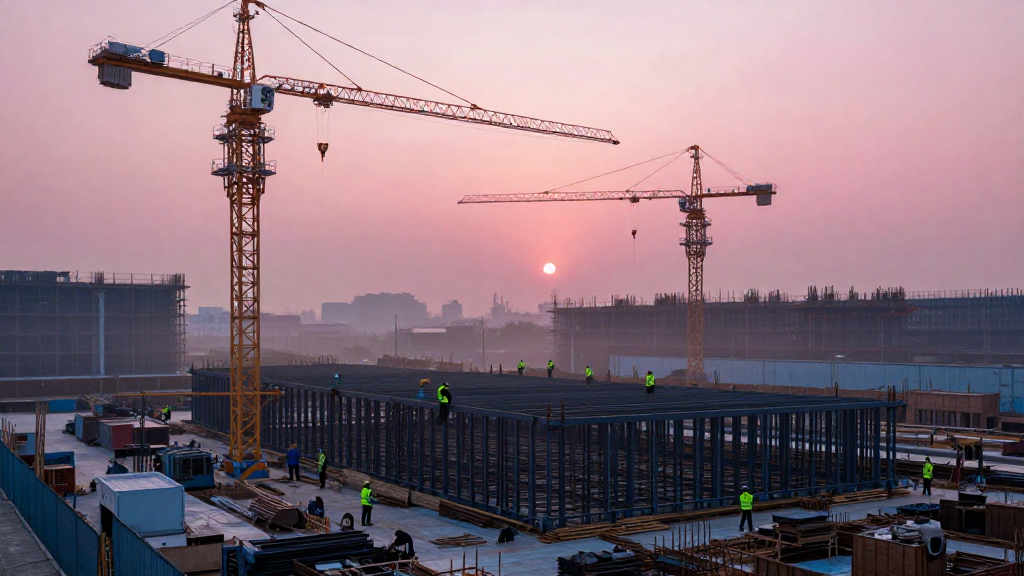
Construction Project Timeline Delays: Causes, Solutions, and Proven Management Strategies
Did you know that 70 % of construction projects exceed their original deadlines, costing owners an average of 12 % of the total project budget? When a single phase slips, the domino effect ripples through schedules, cash flow, and stakeholder trust. If you’re a project manager or stakeholder, understanding why construction project timeline delays happen—and how to stop them—can save millions and protect your reputation.
Common Causes of Construction Project Timeline Delays
Scope Creep and Unclear Requirements
- Ambiguous design specifications lead to re‑work.
- Late client requests often arrive after the critical path is set.
- Inadequate change‑order processes can stall decision‑making.
“Scope creep is the silent killer of schedules; every added feature drags the project back by days, if not weeks.” – Project Management Institute
Key Takeaway: Establish a strict change‑order protocol and conduct a scope‑clarification workshop before the first kick‑off.
Labor Shortages and Skill Gaps
- High demand for skilled trades outpaces supply in many regions.
- Training delays push start dates and extend critical tasks.
- Unforeseen absenteeism can derail coordinated sequences.
Pro Tip: Implement a cross‑training program and maintain a bench of vetted subcontractors to absorb unexpected labor gaps.
Material Supply Chain Disruptions
- Global shipping delays (port congestion, customs backlogs) add weeks.
- Vendor lead‑time volatility forces schedule adjustments.
- Quality issues from bulk shipments trigger re‑inspection.
“A single delayed shipment of steel can hold up an entire floor, cascading into a project‑wide delay.” – Construction Week Analyst
Weather and Environmental Factors
- Unpredictable weather patterns (heavy rain, extreme heat) halt outdoor work.
- Environmental permitting can require additional testing or remediation.
- Natural disasters (earthquakes, floods) cause sudden stoppages.
Regulatory and Permitting Hurdles
- Late approvals from local authorities stall progress.
- Compliance audits uncover design non‑conformities.
- Zoning changes may require redesign.
Poor Communication and Coordination
- Fragmented information flow between design, procurement, and execution teams.
- Misaligned expectations between owners, contractors, and subcontractors.
- Inadequate project dashboards hide emerging risks.
“When communication is siloed, delays become inevitable.” – Engineering News‑Record
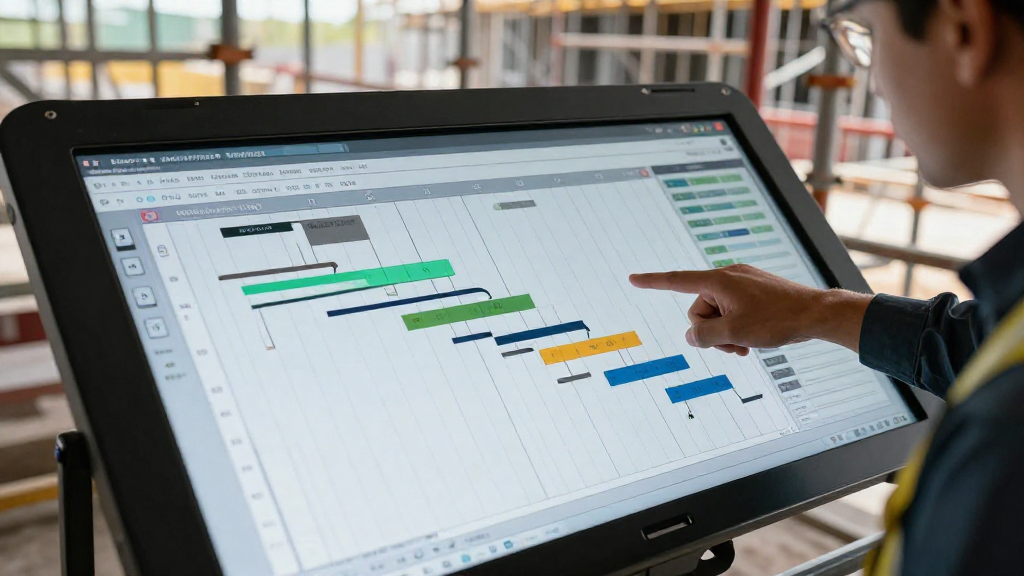
Proactive Solutions to Minimize Construction Schedule Delays
Robust Planning and Scheduling
- Define a realistic baseline using historical data and expert judgment.
- Build in safety margins of 10–15 % for critical tasks.
- Employ the Critical Path Method (CPM) to visualize dependencies.
“A well‑crafted schedule is the backbone of any successful construction project.” – Lean Construction Institute
Dynamic Risk Management
- Identify risks early through a risk register.
- Quantify impact and probability to prioritize mitigation.
- Assign owners for each risk and track status weekly.
Effective Stakeholder Engagement
- Host bi‑weekly alignment meetings with owners and key subcontractors.
- Use a single source of truth (e.g., cloud‑based project management platform).
- Document decisions in a change‑log accessible to all.
Technology Adoption and Automation
- Leverage Building Information Modeling (BIM) for clash detection before construction.
- Deploy drones for rapid site surveys and progress monitoring.
- Integrate RFID tags on materials to track deliveries in real time.
Contingency Budgeting and Financial Controls
- Allocate a contingency reserve of 5–10 % of the total budget.
- Track variances against budgeted costs monthly.
- Reconcile invoices against actual work performed.
Pro Tip: Use Earned Value Management (EVM) to correlate schedule performance with cost performance, enabling early intervention.
Legal Safeguards and Contractual Clarity
- Include liquidated damages clauses that incentivize on‑time completion.
- Specify force majeure triggers and associated mitigation steps.
- Require performance bonds from subcontractors to cover delay penalties.
“Clear contractual language is the first line of defense against legal disputes over delays.” – Construction Law Review

Case Studies: Successful Construction Timeline Management
High‑Rise Residential Project – Chicago
- Project: 25‑story luxury condominium.
- Original Schedule: 18 months → Actual: 15 months.
- Delay Mitigation: Early procurement of modular units, weekly BIM reviews, dedicated risk‑management team.
- Budget Impact: Savings of $2.4 million (12 % of total budget).
- Legal Outcome: No liquidated damages; owner satisfied with accelerated delivery.
Infrastructure Bridge Upgrade – Texas
- Project: 4‑lane bridge reconstruction.
- Original Schedule: 24 months → Actual: 20 months.
- Delay Mitigation: Phased construction, advanced traffic‑management plans, real‑time weather monitoring.
- Budget Impact: Reduced overruns by $3.1 million (8 % of budget).
- Legal Implication: Early‑completion bonus paid to contractor, fostering goodwill.
Commercial Complex – Singapore
- Project: 10‑floor mixed‑use development.
- Original Schedule: 12 months → Actual: 14 months (supply‑chain hiccup).
- Delay Mitigation: Switched to an alternative supplier, re‑sequenced non‑critical tasks, negotiated expedited shipping.
- Budget Impact: Additional $1.2 million in costs; owner accepted revised schedule.
- Legal Outcome: Liquidated damages clause invoked, but parties renegotiated penalty structure.
“These case studies illustrate that proactive planning, technology integration, and clear contractual terms can transform potential delays into controlled, budget‑friendly outcomes.” – Construction Quarterly
Budget Impact of Construction Project Timeline Delays
Every day a project stalls, costs pile up. According to a 2023 Construction Cost Index, each week of delay can cost an owner between $200,000 and $500,000 depending on project size and complexity. These figures include:
- Labor hold‑time (wages paid for idle crew).
- Equipment rentals that remain on standby.
- Financing charges for extended cash‑flow windows.
- Opportunity costs of delayed project revenue.
Key Takeaway: Investing in a robust schedule and project delay solutions can save more than the cost of the tools and personnel required to implement them.
Legal Implications of Construction Project Timeline Delays
Delays can trigger a cascade of legal challenges:
- Liquidated Damage Claims – Owners may claim penalties if deadlines are missed.
- Contractual Breach Litigation – Subcontractors may sue for unpaid work if the schedule stalls.
- Regulatory Penalties – Extended construction can violate local ordinances or environmental permits.
- Insurance Claims – Certain delays may be covered under construction delay insurance, but claims require detailed documentation.
Mitigation Strategies
- Document all changes in a signed change‑order log.
- Maintain a detailed audit trail of communications and decisions.
- Engage legal counsel early when a delay threat emerges.
“A well‑documented schedule is not just a project tool; it’s a legal shield.” – Construction Law Journal
Conclusion
Construction project timeline delays are a complex, multi‑faceted challenge that can derail budgets, erode stakeholder confidence, and invite costly legal battles. By dissecting the root causes—scope creep, labor gaps, supply‑chain hiccups, weather, regulatory hurdles, and communication failures—and deploying targeted project delay solutions—robust planning, dynamic risk management, stakeholder engagement, technology, contingency budgeting, and legal safeguards—you can transform uncertainty into predictability.
Download our authoritative guide to mitigating construction project delays and gain a step‑by‑step playbook that has helped industry leaders reduce overruns by up to 30 %. Build timelines that stand the test of time—and budgets.
Leave a Reply