How to Crush Last‑Mile Delivery Failures: Data‑Driven Strategies for Logistics Leaders
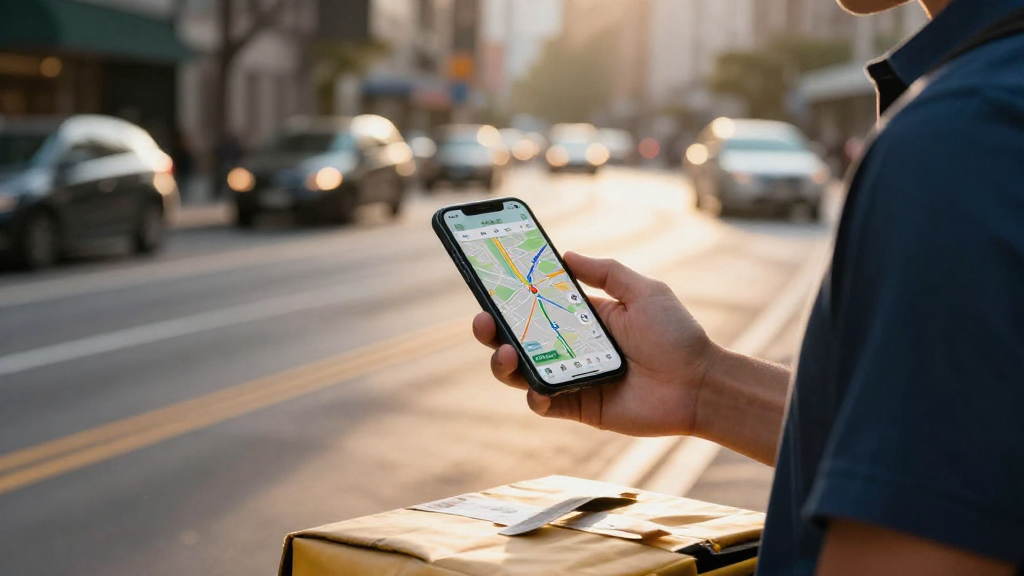
In the high‑stakes world of e‑commerce, 30 % of orders fail on the first delivery attempt—a cost that can erode profit margins and brand loyalty. Logistics managers who master the art of reducing last‑mile delivery failures can turn this costly churn into a competitive advantage.
Common Causes of Last‑Mile Delivery Failures
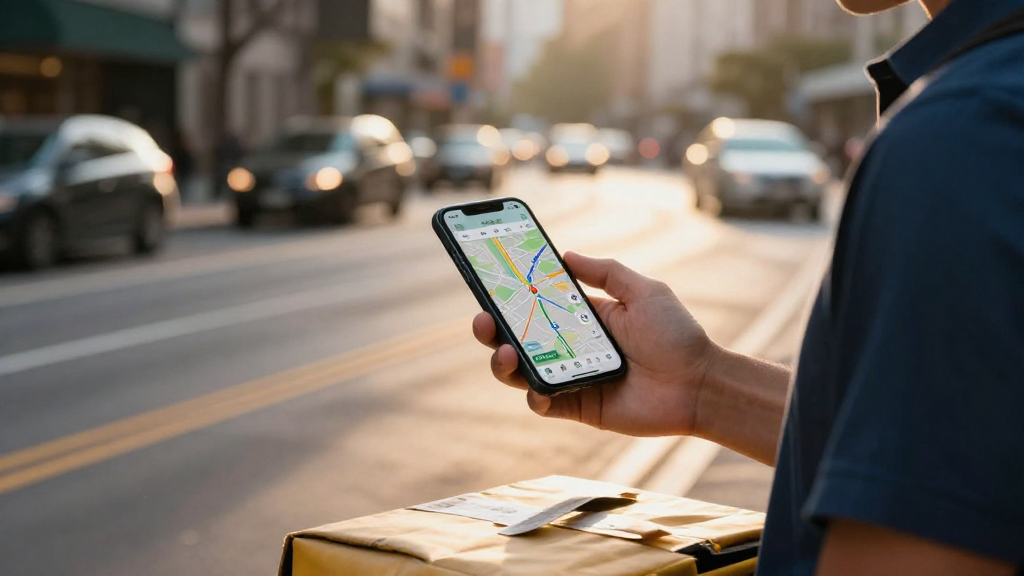
While surface‑level reasons—traffic jams, wrong addresses, or customer unavailability—are obvious, deeper last mile delivery failure causes often go unnoticed. Below we break down the most impactful issues and show how real‑time visibility can flip the odds.
-
Insufficient Real‑Time Data Visibility
-
Drivers rely on static schedules and paper logs.
-
Dispatchers lack instant updates on traffic or weather, leading to stale routes.
-
Customers receive generic “delivery in X hours” notifications that rarely reflect on‑the‑ground realities.
-
Driver‑Related Inefficiencies
-
Inconsistent training on route optimization.
-
Manual re‑routing when encountering obstacles.
-
Poor communication channels for on‑the‑spot decision making.
-
External Environmental Factors
-
Sudden weather changes (snow, rain, heat‑wave).
-
Unexpected road closures or construction.
-
High‑density delivery zones with limited parking.
-
Customer Availability & Preferences
-
Inaccurate address data or outdated contact details.
-
Limited delivery windows that don’t align with customer schedules.
-
Lack of real‑time tracking that keeps customers in the dark.
-
Technological Fragmentation
-
Multiple legacy systems that don’t share data.
-
No integration between order management and fleet tracking.
-
Inability to leverage predictive analytics for pre‑emptive actions.
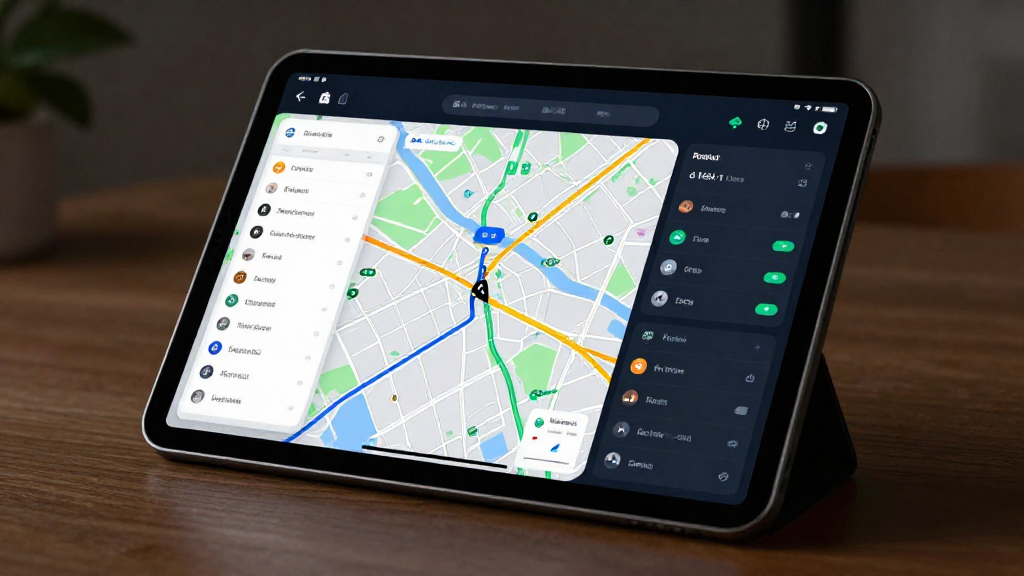
Pro Tip – Deploy a unified dashboard that pulls live traffic feeds, weather alerts, and driver location data. Even a simple overlay on your existing GIS platform can cut first‑attempt failure rates by up to 20 %.
Key Takeaway
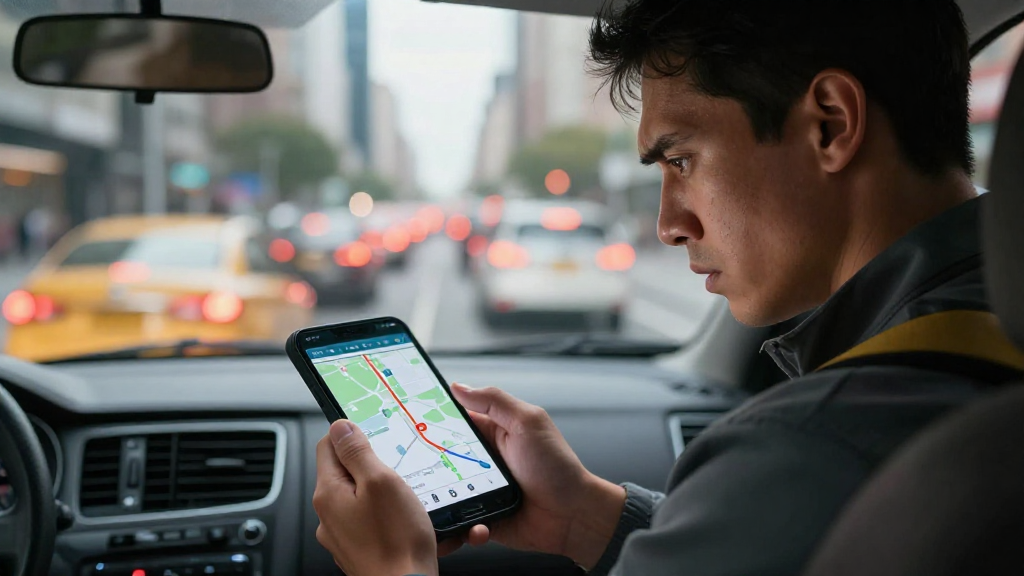
Real‑time data visibility is the linchpin of reducing last‑mile delivery failures. Without it, every other effort is a shot in the dark.
Technology Solutions to Reduce Last‑Mile Delivery Failures
The modern logistics landscape offers a suite of tools that, when orchestrated correctly, can transform the last‑mile experience. Below are the most effective examples of technology to reduce last mile delivery failures.
Dynamic Routing Engines
- Real‑time traffic integration – Adjust routes on the fly based on congestion levels.
- Predictive detour suggestions – AI models forecast potential roadblocks minutes ahead.
- Cost‑benefit analysis – Weigh fuel savings against time savings in real time.
IoT‑Enabled Asset Tracking
- GPS collars on delivery vehicles – Provide accurate ETA updates.
- Environmental sensors – Monitor temperature for perishable goods, ensuring compliance.
- Package‑integrity alerts – Detect tampering or drops during transit.
Mobile Apps for Drivers
- Turn‑by‑turn navigation with voice prompts.
- Instant communication hub – Direct line to dispatch, customer service, and support.
- Digital signatures & proof of delivery – Reduce paperwork and speed up settlements.
AI‑Powered Predictive Analytics
- Demand forecasting – Anticipate high‑volume zones and schedule extra capacity.
- Failure risk scoring – Assign a probability score to each delivery based on historical data, weather, and driver performance.
- Automated re‑routing – Trigger route changes when risk scores exceed a threshold.
Mini Case Study: CityCourier’s 30 % Reduction
CityCourier, a mid‑size urban delivery firm, integrated a dynamic routing engine with real‑time traffic APIs. Within six months, first‑attempt delivery success rose from 62 % to 91 %, slashing late‑delivery penalties by $1.2 million annually.
Pro Tip – Start small: pilot predictive analytics on a single high‑volume route. Use the insights to scale across the network, ensuring minimal disruption while maximizing ROI.
Integrating Predictive Analytics
A common gap is limited integration of predictive analytics into day‑to‑day operations. Bridge that divide with these steps:
- Data Consolidation – Merge order, fleet, and external data (traffic, weather) into a single data lake.
- Model Development – Work with data scientists to build machine‑learning models that predict failure risks.
- Operational Embedding – Embed predictions into dispatch software so drivers receive actionable insights before departure.
- Continuous Learning – Feed back actual outcomes to refine models, creating a virtuous cycle of improvement.
Key Takeaway – Predictive analytics is only as good as its integration. Seamless data flow from collection to decision is essential for real‑time failure prevention.

Process Improvements for Reliable Last‑Mile Delivery
Technology alone won’t solve all challenges. Last mile delivery process improvement requires a holistic approach that blends people, procedures, and continuous feedback.
Standardized Driver Training
- Route optimization workshops – Teach drivers how to use navigation tools effectively.
- Customer service modules – Empower drivers to handle delivery exceptions with confidence.
- Safety and compliance drills – Reduce accidents that cause delays.
Enhanced Customer Communication
- Real‑time ETA updates via SMS, push notifications, or in‑app alerts.
- Flexible delivery windows – Offer customers the option to choose preferred times.
- Two‑way communication – Allow customers to reschedule or provide delivery instructions on the spot.
Robust Feedback Loops
- Post‑delivery surveys – Capture customer sentiment instantly.
- Driver debriefs – Review each delivery to identify pain points.
- Data‑driven KPI dashboards – Track metrics like on‑time delivery rate, average delay, and customer satisfaction.
Return‑to‑Warehouse Optimization
- Smart packaging – Reduce return volumes through better packaging design.
- Reverse‑logistics hubs – Position them strategically to minimize return travel time.
- Automated return labeling – Simplify the process for customers and drivers.
Key Takeaway – Process improvements amplify the gains from technology. A well‑trained driver, coupled with clear communication, can reduce failure rates by up to 15 % even without advanced AI.
Conclusion: Your Path to Zero‑Failure Deliveries
Last‑mile delivery failures are no longer a matter of chance; they’re a solvable problem. By combining real‑time data visibility, predictive analytics, and disciplined process improvements, operations managers can transform a costly pain point into a strategic advantage.
Ready to take the next step?
Download our Whitepaper: “Optimizing Last‑Mile Delivery” – a deep dive into the tools, tactics, and case studies that will help you slash failure rates and boost customer loyalty.
Call to Action – Fill out the form on the landing page to access the resource and start your journey toward flawless last‑mile operations.
The logistics landscape is evolving fast. Equip yourself with the insights and technology you need to stay ahead—because every successful delivery is a win for your brand and your bottom line.
Leave a Reply