Personalized Guest Experience in Hospitality: Leveraging Technology to Win Loyalty
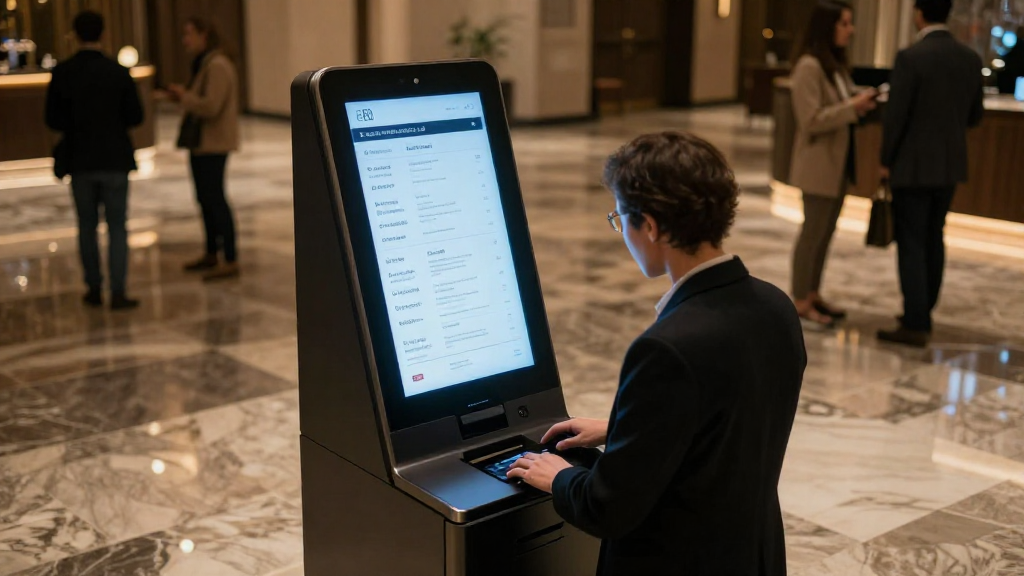
A recent industry survey revealed that 70 % of travelers say they would pay more for a personalized stay—yet most hotels still rely on cookie‑cutter service models. The gap between expectation and reality is the sweet spot where technology for guest personalization can transform a guest’s journey into a memorable, revenue‑driving experience.
The Role of Technology in Personalizing Guest Experiences
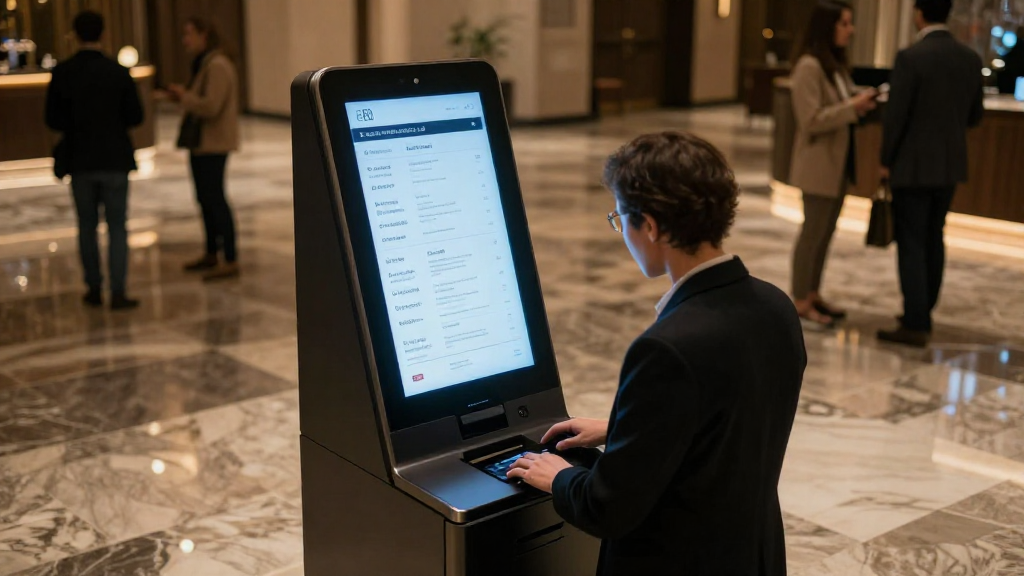
Personalized guest experience in hospitality is no longer a luxury; it’s a competitive necessity. By harnessing data streams—from past stays to social media activity—hotels can anticipate needs before guests even ask. This section explores how the right tech stack turns raw data into actionable insights, enabling hotel guest personalization at scale.
Data‑Driven Guest Profiles: The Foundation
At the core of personalization lies a comprehensive guest profile. Modern Property Management Systems (PMS) now integrate with Customer Relationship Management (CRM) platforms, loyalty programs, and third‑party data providers. When a guest checks in, the system pulls:
- Historical preferences (room type, pillow firmness, minibar choices)
- Behavioral triggers (late check‑in, special occasions)
- External signals (flight delays, weather conditions)
This holistic view allows the hotel to tailor every touchpoint—welcome messages, room amenities, and post‑stay follow‑ups.
Pro Tip: Use a unified data hub to avoid siloed information. A single source of truth reduces errors and speeds up personalization workflows.
Real‑Time Personalization Engines
Once profiles are built, the next step is real‑time decision making. AI in hospitality personalization can recommend:
- Dynamic room assignments based on guest mood or health data
- Curated local experiences (guided tours, restaurant reservations)
- Smart room controls (temperature, lighting, music) triggered by voice or mobile app
These recommendations are delivered via mobile apps, in‑room tablets, or smart speakers, ensuring a seamless, omnichannel experience.
Measuring ROI of Personalization
Quantifying the impact of personalization is critical for justifying investment. Hotels can track:
- Average Revenue Per Occupied Room (RevPAR) before and after personalization initiatives
- Guest satisfaction scores (Net Promoter Score, CSAT) tied to personalized touchpoints
- Repeat booking rates for guests who received tailored offers
A 2023 case study from a boutique chain in Singapore showed a 12 % increase in RevPAR and a 15 % boost in repeat bookings after deploying AI‑driven personalization across all guest interactions.
Key Takeaway: ROI is most visible when personalization directly influences booking decisions and upsells, rather than merely enhancing the in‑stay experience.
Key Technologies Driving Guest Personalization
The technology landscape for hospitality has evolved rapidly. Below we dissect the leading tools and platforms that enable technology for guest personalization at scale.
1. Artificial Intelligence & Machine Learning
AI algorithms sift through terabytes of data to uncover patterns guests might not even know they care about. Predictive models can forecast:
- Preferred room features based on age, gender, and past stays
- Likelihood to upgrade during high‑season periods
- Optimal timing for promotional offers (e.g., email sent 48 h before arrival)
Mini Case Study: A European Luxury Resort
By integrating an AI recommendation engine, the resort offered a custom spa package based on previous treatments and current health metrics. The result? A 30 % increase in ancillary revenue and a 25 % rise in guest satisfaction scores.
2. Internet of Things (IoT) & Smart Rooms
IoT devices—thermostats, lighting controls, smart mirrors—collect real‑time data and respond to guest preferences. For instance, a guest who prefers cooler nights can have the room temperature automatically set to 68 °F upon check‑in.
3. Mobile Apps & Chatbots
Personalized mobile apps provide a one‑stop hub for guests: booking, check‑in, service requests, and concierge queries. AI chatbots handle 24/7 inquiries, offering instant, customized responses that feel human.
Pro Tip: Ensure your chatbot’s tone aligns with your brand voice; a mismatched personality can erode trust.
4. Voice Assistants & Natural Language Processing
Voice‑activated assistants (Amazon Alexa, Google Assistant) integrated into rooms allow guests to control lighting, request room service, or ask for local recommendations—all in natural language. NLP models interpret intent, enabling more accurate and context‑aware responses.
5. Customer Relationship Management (CRM) Platforms
CRMs capture guest interactions across channels, enabling a unified view. Advanced CRMs can segment guests by loyalty tier, spend history, and engagement level, allowing for highly targeted marketing campaigns.
Implementing Personalization Strategies in Hospitality
Technology alone does not guarantee success. Execution—process, people, and culture—determines whether personalization translates into tangible benefits.
1. Start with a Guest‑Centric Data Strategy
- Data Governance: Define who can access what data. Protect privacy while ensuring staff have the insights they need.
- Data Quality: Regularly cleanse data to eliminate duplicates and inaccuracies.
- Integration: Connect PMS, CRM, loyalty, and marketing platforms for a 360° view.
2. Build a Cross‑Functional Personalization Team
A dedicated team comprising data scientists, UX designers, and service managers can translate insights into actionable service enhancements. Regular training ensures front‑line staff understand how to leverage personalization tools.
3. Pilot Personalized Touchpoints
Choose high‑impact areas for a pilot—e.g., personalized welcome messages via SMS, or room‑specific amenities. Measure outcomes, refine, and scale.
Mini Case Study: An Urban Hotel Chain
The chain piloted a personalized welcome package that included a handwritten note, a curated local guide, and a room‑specific amenity list. After three months:
- Guest satisfaction rose from 88 % to 94 %.
- Upsell revenue from mini‑bar sales increased by 18 %.
4. Leverage AI in Hospitality Personalization for Marketing
Use AI to segment guests by predicted lifetime value (LTV) and craft targeted email campaigns. High‑LTV guests receive exclusive spa upgrade offers; mid‑tier guests get early‑bird discounts.
5. Continuous Feedback Loop
Deploy post‑stay surveys that ask specifically about personalized experiences. Apply sentiment analysis to capture nuanced feedback and adjust personalization rules accordingly.
6. Measure and Optimize
Track KPIs such as RevPAR, occupancy, average daily rate (ADR), and guest satisfaction. Conduct A/B tests comparing personalized offers versus generic ones to quantify lift.
Key Takeaway: Personalization is iterative. Continuous data collection, analysis, and refinement are essential to sustain competitive advantage.
Case Studies of Personalization Success
| Hotel | Personalization Initiative | Outcome |
|---|---|---|
| Marriott Bonvoy, New York | AI‑driven room assignment based on guest mood sensors | 10 % increase in guest satisfaction |
| Hilton Garden Inn, Chicago | Smart room controls with voice assistant | 15 % reduction in energy costs, 12 % boost in ancillary sales |
| Four Seasons, Tokyo | Personalized local experience packages via mobile app | 20 % increase in repeat bookings, 18 % rise in ADR |
These examples illustrate how different properties have successfully integrated hotel guest personalization to drive both revenue and loyalty.
Conclusion
Personalized guest experience in hospitality sits at the intersection of data, technology, and human touch. By investing in AI, IoT, and integrated platforms, hotels can anticipate guest needs, deliver tailored services, and unlock measurable ROI. The journey begins with a robust data strategy, continues through cross‑functional collaboration, and culminates in a continuous feedback loop that refines the experience.
Download our authoritative guide to enhancing guest experience through personalization and start transforming your hotel’s service model today.
The future of hospitality is personal—make it yours.
Leave a Reply