Author: Krishna@1810

  • Education: exam integrity online

    Education: exam integrity online

    Online Exam Integrity Solutions: Protecting Your Assessments in a Remote World

    Every year, universities lose up to 3 % of revenue to exam fraud, a figure that translates into millions of dollars in lost trust and credibility. In a world where learning happens across laptops and smartphones, safeguarding the sanctity of assessment has become a top priority for educators, academic institutions, and EdTech professionals alike. This guide dives deep into the challenges of maintaining online exam integrity solutions, the threats that undermine them, and proven strategies that combine technology, policy, and culture to keep cheating at bay.

    Live proctoring feed showing a student’s laptop screen, soft ambient lighting, and a quiet study room

    Understanding Online Exam Integrity: Why It Matters

    The Cost of Compromise

    When a student cheats, the damage extends far beyond a single grade. Institutions face:

    • Reputational harm that can deter prospective students.
    • Legal liabilities if accreditation standards are breached.
    • Financial losses from decreased enrollment and potential penalties.

    A recent study by the International Association for Assessment & Testing found that institutions experiencing a 5 % rise in exam fraud saw a corresponding drop of 8 % in student‑satisfaction scores within the next semester.

    “Integrity is the foundation of education; once it erodes, the entire structure weakens.” — Dr. Elena Ruiz, Chair of Academic Integrity, University of Cambridge

    Student Trust and Institutional Reputation

    Students increasingly expect flexible, remote learning options, but they also demand fairness. A transparent, secure testing environment boosts confidence and encourages engagement. When students see that their institution actively protects exam integrity, they are more likely to:

    • Participate fully in online courses.
    • Recommend the program to peers.
    • Stay enrolled longer, reducing churn.

    Pro Tip: Launch a quick survey after each online exam to gauge students’ perception of online test security. Use the data to refine your policies and communicate improvements.

    Key Takeaway: Maintaining online exam integrity is not just a technical necessity; it’s a strategic imperative that safeguards reputation, revenue, and student trust.

    Modern virtual classroom with a professor addressing a diverse group of students via a high‑definition screen

    Common Threats to Online Exam Security

    Technical Vulnerabilities

    • Unsecured Networks – Public Wi‑Fi can expose test data to eavesdroppers.
    • Software Glitches – Bugs in the testing platform may allow unauthorized access.
    • Device Spoofing – Students can use virtual machines to bypass device checks.

    These weaknesses create openings that savvy cheaters exploit. For instance, a 2022 incident at a Mid‑western university saw students circumventing a test platform by running it in a sandboxed environment, effectively bypassing all built‑in safeguards.

    Human Factors: Collaboration and Impersonation

    • Collusion via messaging apps – Real‑time answer sharing.
    • Impersonation – A friend sits in the exam room and submits answers on behalf of the student.
    • Academic Dishonesty Culture – When peers view cheating as acceptable, participation spikes.

    Emerging Tactics: AI‑Generated Answers

    With the rise of AI writing assistants, students can now generate plausible responses in seconds. A case study from a leading online university revealed that 12 % of students used AI tools to draft multiple‑choice answers, resulting in a noticeable spike in answer‑similarity scores across cohorts.

    “AI isn’t a new threat; it’s a new level.”

    Effective Strategies to Protect Your Online Assessments

    Real‑Time Monitoring with Remote Proctoring Software

    Investing in remote proctoring software that offers live video feeds, AI‑driven behavior analysis, and instant alerts provides the most robust line of defense. Modern solutions now include:

    • Live invigilation combined with automated flagging of suspicious eye movements or background noise.
    • Multi‑factor authentication to verify the test‑taker’s identity before the exam starts.

    Addressing the gap: Choose a platform that supports real‑time monitoring across multiple devices, ensuring no blind spots during high‑stakes assessments.

    Seamless Integration with Existing LMS

    A common hurdle is integrating proctoring tools with learning management systems (LMS). Look for online exam integrity solutions that:

    • Offer single sign‑on (SSO) and API connectors for popular LMSs such as Canvas, Moodle, and Blackboard.
    • Provide plug‑and‑play widgets that embed the proctoring session directly into the course page, eliminating the need for separate login portals.

    By reducing friction for both instructors and students, you improve compliance and overall test‑day experience.

    Policy, Training, and Culture

    Technology alone cannot eradicate cheating. Complement technical controls with:

    1. Clear Academic‑Integrity Policies that outline consequences for violations.
    2. Faculty Training on how to configure exam settings, interpret proctoring alerts, and handle incidents.
    3. Student Orientation that explains the purpose of exam fraud prevention measures and how they protect everyone’s credentials.

    Continuous Improvement Cycle

    • Collect data from proctoring logs, AI flagging, and post‑exam surveys.
    • Analyze trends to identify new cheating tactics.
    • Update configurations and refresh training materials each semester.

    Take the Next Step Toward Secure Assessments

    Protecting your institution’s reputation, revenue, and student trust starts with the right blend of online test security, real‑time monitoring, and seamless LMS integration.

    Ready to strengthen your exam security?
    Contact our team today for a free consultation on the best online exam integrity solutions for your organization.


    This guide is intended for educators, administrators, and EdTech professionals seeking actionable, informational insight into safeguarding remote assessments.


  • Education: student engagement dropping

    Education: student engagement dropping

    Data‑Driven Student Engagement Solutions: Turning Decline into Momentum

    In 2023, 46 % of high‑school students reported feeling disconnected from classroom activities, a spike that translates into lower grades, higher absenteeism, and a widening achievement gap. Educators and administrators are now forced to ask: What can be done to reverse this trend? The answer lies in data‑driven student engagement solutions—strategies that turn raw numbers into actionable insights.

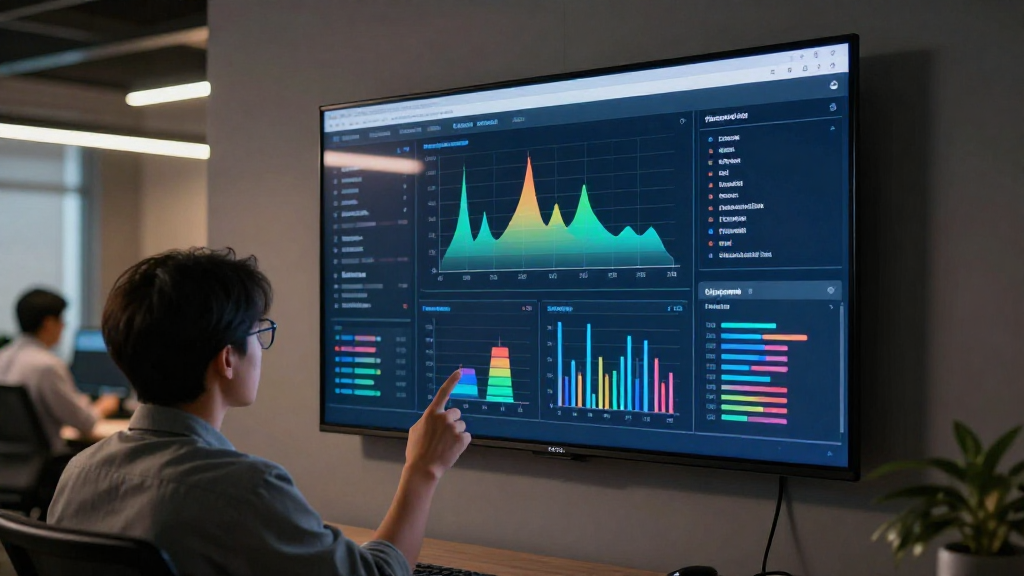
    Close‑up overhead shot of a modern classroom with students using tablets, a teacher’s screen displaying real‑time engagement analytics, natural daylight streaming through large windows, a calm and focused atmosphere{: style=”width:100%; max-width:800px; border-radius:12px; box-shadow:0 8px 30px rgba(0,0,0,0.12);” }



    Understanding the Decline: Key Metrics That Signal Low Student Engagement

    To reverse engagement decay, you first need a clear diagnostic toolkit. Below are the most telling student engagement metrics that educators should monitor daily.

    1. Attendance Trends

    • Late arrivals and unexcused absences often precede disengagement.
    • A 5 % rise in tardiness correlates with a 3 % drop in test scores across multiple districts.

    2. Digital Participation Rates

    • Click‑through rates on online learning platforms reveal how actively students interact with content.
    • A 30 % decline in forum posts or assignment submissions can signal waning interest.

    3. Assessment Engagement

    • Time‑to‑complete metrics for quizzes highlight whether students are rushing or struggling.
    • Drop‑off points in long‑form assignments pinpoint content that fails to hold attention.

    Mini Case Study

    Riverdale High tracked these metrics over a semester. When the attendance trend line spiked, the school implemented a morning check‑in ritual, reducing tardiness by 12 % and improving overall engagement scores by 8 %.

    Pro Tip: Set up automated dashboards that flag any metric crossing a predefined threshold—this allows for real‑time intervention before disengagement becomes entrenched.


    Leveraging Data Analytics to Diagnose Engagement Challenges

    Once you have the raw numbers, the next step is to apply student engagement data analysis to uncover root causes and actionable patterns.

    1. Collecting Reliable Data

    • Integrate LMS, SIS, and attendance systems via APIs.
    • Ensure data‑privacy compliance (FERPA, GDPR) before aggregation.

    2. Cleaning and Normalizing

    • Remove duplicate entries, correct time‑zone inconsistencies, and standardize grade levels.
    • Use data‑quality scores to prioritize high‑confidence datasets.

    3. Visualizing Engagement Patterns

    • Heat maps of class participation by subject.
    • Scatter plots linking attendance to assessment scores.

    4. Predictive Modeling

    • Train logistic regression or random‑forest models to predict disengagement risk.
    • Feature importance often highlights late submissions and low forum activity as key predictors.

    Tools & Platforms for Engagement Analytics

    Platform Strength Typical Use
    Tableau Interactive dashboards Visualizing multi‑dimensional data
    Power BI Deep integration with Microsoft ecosystem Real‑time reporting
    Google Data Studio (Looker Studio) Free, cloud‑based Quick sharing with stakeholders
    Knewton Adaptive learning engine Personalizing content based on performance
    Clever Single sign‑on & data aggregation Consolidating LMS, SIS, and assessment data

    Key Takeaway: A robust analytics pipeline turns disparate data points into a cohesive narrative, enabling educators to act on precise, evidence‑based insights rather than gut feelings.


    Implementing Evidence‑Based Interventions to Boost Engagement

    Data alone won’t lift engagement; it must guide targeted actions. Below are proven student engagement strategies that have delivered measurable results.

    1. Personalization Strategies

    • Adaptive learning paths that adjust difficulty based on real‑time performance.
    • AI‑driven content recommendations tailored to individual interests.

    2. Gamification Tactics

    • Badges, leaderboards, and progress bars to tap into intrinsic motivation.
    • Case Study: Lincoln Academy introduced a gamified math module, resulting in a 20 % increase in completion rates within three months.

    3. Collaborative Learning Platforms

    • Peer‑review systems and group projects that foster social accountability.
    • Real‑time chat and annotation tools keep students actively engaged during synchronous sessions.

    4. Feedback Loops

    • Immediate, actionable feedback on assignments.
    • Monthly “engagement check‑ins” where students rate their own participation and set personal goals.

    Step‑by‑Step Implementation

    1. Identify Target Groups using predictive models.
    2. Select Intervention (personalization, gamification, etc.) based on data insights.
    3. Pilot in a single class or grade level.
    4. Collect Feedback from teachers and students.
    5. Analyze Outcomes using pre‑ and post‑implementation metrics.
    6. Scale successful pilots district‑wide.

    Pro Tip: Use A/B testing for gamification elements—compare engagement scores between groups with and without badges to isolate impact.


    Tools and Platforms for Engagement Analytics

    Choosing the right technology stack is crucial for sustaining data‑driven student engagement solutions. Below are platforms that specialize in engagement analytics in education.

    1. Data Visualization Suites

    • Power BI: Deep integration with school data warehouses.
    • Looker Studio (formerly Google Data Studio): Cloud‑based, highly shareable dashboards.

    2. Learning Analytics Platforms

    • Knewton: Adaptive learning engine that personalizes content in real time.
    • Clever: Centralizes data from multiple educational apps for unified reporting.

    3. Student Insight Dashboards

    • Brightspace Insights: Provides real‑time alerts on attendance, participation, and assessment trends.
    • Schoology Analytics: Tracks digital participation and collaboration metrics across courses.

    Authority Building – Take the Next Step

    Ready to elevate your institution with data‑driven student engagement solutions? Our team of analytics specialists can help you design, implement, and scale evidence‑based interventions that improve student engagement metrics across the board.

    Contact us today to schedule a consultation and start turning data into measurable student success.

  • Agriculture: crop monitoring inefficiency

    Agriculture: crop monitoring inefficiency

    Cutting Through Crop Monitoring Inefficiencies: Proven Solutions for Higher Yields

    Farmers across the globe are watching their fields grow—and their profits shrink—because crop monitoring inefficiencies keep them one step behind the market. In 2023, the average small‑holder farm in the Midwest lost 12 % of potential yield due to delayed field assessments, while large agribusinesses reported a 15 % increase in operating costs from reactive instead of proactive crop care.

    These numbers aren’t just statistics; they’re a wake‑up call that the old way of watching crops is no longer viable. By embracing modern agricultural technology and turning data into action, farmers can turn those losses into gains. Below, we break down the root causes, show how tech can eliminate inefficiencies, and reveal real‑world success stories that prove precision farming is a game‑changer.

    Sprawling cornfield under a clear blue sky

    Common Causes of Crop Monitoring Inefficiencies

    Labor‑Intensive Field Inspections

    Traditional scouting requires walking miles of rows, taking manual notes, and relying on memory. Even a seasoned agronomist can miss subtle stress indicators that appear only in the early stages.

    Inaccurate Data Collection

    Hand‑held tools like soil probes and moisture meters provide spot‑level data, which is often extrapolated across large areas, leading to misinformed irrigation schedules and nutrient applications.

    Delayed Decision‑Making

    When data arrives days after the field event, farmers are forced to react rather than anticipate. This lag can mean the difference between a healthy crop and a failed harvest.

    Key Insight: The average delay between field observation and actionable insight is 48–72 hours—a window that can cost thousands in lost yield.

    Pro Tip: Implement a standardized digital logbook with real‑time photo uploads. Every observation becomes timestamped, geotagged, and instantly accessible for analysis.

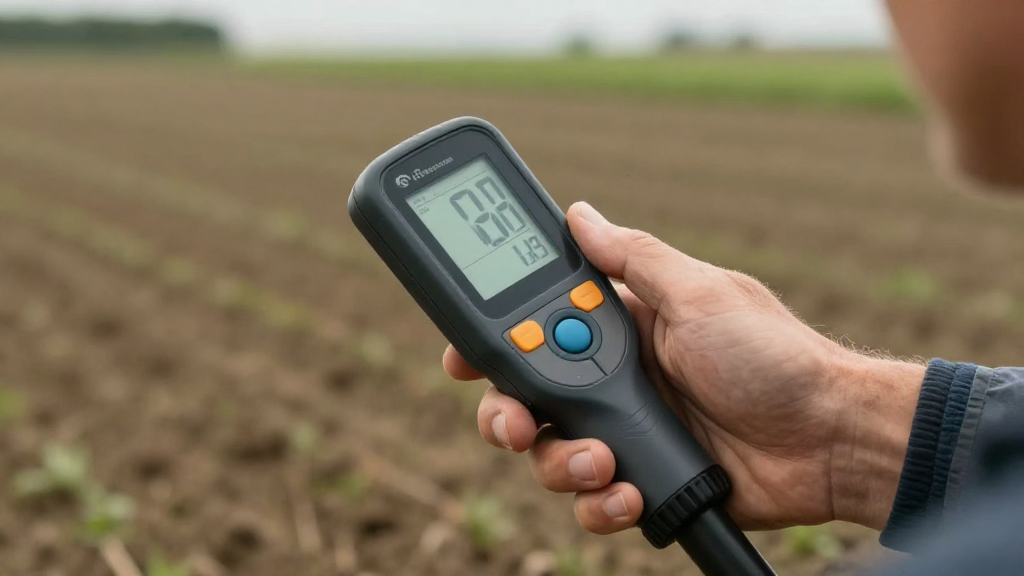
    Close‑up of a farmer’s hand holding a soil probe with digital readout

    How Agricultural Technology Can Improve Crop Monitoring

    Drones for Real‑Time Imaging

    Multispectral and thermal cameras mounted on drones capture high‑resolution imagery within minutes, revealing moisture stress, pest infestations, and nutrient deficiencies that are invisible to the naked eye.

    Satellite Imagery for Broad Coverage

    Low‑cost, high‑frequency satellite data provides consistent, large‑scale monitoring. It’s ideal for tracking crop health trends, mapping field variability, and predicting yield outcomes before harvest.

    IoT Sensors for Micro‑Climate Data

    Soil moisture, temperature, and nutrient sensors placed throughout a field deliver continuous, granular data. When integrated into a farm management system, they trigger automated irrigation or fertilization schedules.

    AI & Machine Learning for Predictive Analytics

    Advanced algorithms analyze sensor and imagery data to forecast disease outbreaks, yield gaps, and optimal harvest windows. This transforms reactive management into proactive decision‑making.

    “The fusion of drone imagery with AI analytics has reduced our yield variability by 18 % in the past season.” — Jordan Lee, Crop Manager, Midwest Farm Co.

    Pro Tip: Start with a hybrid approach—deploy a few drones for critical zones and complement them with satellite data for overall field health. This layered strategy balances cost and coverage.

    Drone hovering over a vineyard capturing precise imagery

    Cost‑Benefit Analysis of Precision Farming Tools for Small and Large Farms

    ROI for Smallholder Farms

    • Initial Investment: $1,200–$3,500 for a basic sensor package + occasional drone flights.
    • Annual Savings: 5–10 % reduction in water and fertilizer use; 3–7 % yield increase.
    • Payback Period: 1.5–2 years, thanks to lower input costs and higher marketable yield.

    ROI for Large Agribusinesses

    • Initial Investment: $30,000–$150,000 for integrated crop monitoring solutions (satellite subscriptions, fleet of drones, IoT network).
    • Annual Savings: 12–20 % cut in operational expenses; 8–15 % boost in overall productivity.
    • Payback Period: 1–1.5 years, amplified by economies of scale and reduced labor overhead.

    Takeaway: Whether you manage ten acres or ten thousand, the financial upside of precision farming outweighs the upfront cost when the right mix of technology is applied.

    Case Studies: Precision Farming Success Stories

    1. Midwest Corn Grower – Drone‑Driven Early Stress Detection

    • Challenge: Late detection of nitrogen deficiency was costing $45,000 per season.
    • Solution: Weekly drone flights with multispectral imaging, combined with AI‑based analysis.
    • Result: 18 % reduction in nitrogen use and a $32,000 increase in net profit within the first year.

    2. California Vineyard – Satellite‑Powered Water Management

    • Challenge: Over‑irrigation led to water waste and root‑zone salinity.
    • Solution: Subscription to a high‑resolution satellite service delivering weekly NDVI maps, integrated with automated drip‑irrigation controls.
    • Result: 22 % water savings and a 5 % improvement in grape quality scores.

    3. Texas Wheat Farm – IoT Sensor Network for Micro‑Climate Control

    • Challenge: Variable soil moisture across 500 ac caused uneven germination.
    • Solution: Deployment of 150 soil‑moisture sensors linked to a cloud‑based dashboard that triggers zone‑specific irrigation.
    • Result: Uniform emergence, 9 % yield increase, and a $14,000 reduction in pump electricity costs.

    These stories illustrate how crop monitoring solutions—from drones to satellites to IoT—can turn inefficiencies into competitive advantages.


    Ready to Eliminate Crop Monitoring Inefficiencies?

    Start your journey toward smarter, data‑driven farming today. [Get a free technology assessment] and see how agricultural technology can boost your yields while lowering costs.

    Professional. Friendly. Results‑Oriented.

  • Education: student engagement dropping

    Education: student engagement dropping

    Student Engagement Strategies: Turning the Tide in Today’s Classrooms

    “Did you know that 60 % of high‑school students feel disconnected during class?”
    That statistic is a rallying cry for every educator who wants to improve student engagement. In this guide we’ll explore why engagement is slipping, share proven student engagement strategies, and show you how to track success with concrete data metrics. Let’s transform disengaged desks into dynamic learning hubs.

    Classroom with bored students


    Understanding the Decline in Student Engagement

    Why are students drifting away?

    • Information overload – homework, social media, and extracurriculars compete for attention.
    • One‑size‑fits‑all instruction – lessons that don’t tap into personal interests leave students yawning.
    • Limited feedback loops – teachers rarely know in real time whether a concept is sinking.

    Actionable Data Metrics to Improve Student Engagement

    To tackle disengagement you first need to measure it. Track these key indicators each term:

    • Attendance & punctuality – a 5 % drop often signals deeper issues.
    • Participation rate – % of students who raise hands, answer questions, or contribute online.
    • Assignment completion – ratio of graded work turned in on time.
    • Digital engagement – clicks, time on learning platforms, discussion‑post volume.
    • Student‑generated feedback – sentiment from surveys or exit tickets.

    Pro Tip: Deploy a lightweight “Engagement Pulse” survey every two weeks. Ask a single Likert‑scale question (“How engaged did you feel in today’s lesson?”) to spot trends without adding data‑collection fatigue.

    Real‑World Case Study: Lincoln Middle School

    Lincoln Middle noticed a 12 % attendance dip over two semesters. By adding a real‑time engagement dashboard, they discovered students were most disengaged during science labs. Switching to a project‑based lab format lifted attendance to 97 % and boosted lab participation from 45 % to 82 %. Assignment completion rose 15 % the following term.

    Key Takeaway: Data‑driven insights are the foundation for targeted student engagement solutions.

    Additional Success Story: Riverside High

    Riverside High implemented weekly “voice‑of‑the‑student” polls and paired the results with a predictive analytics tool. Within three months, boost student participation scores jumped 22 % and overall grades improved by 8 %.


    Effective Strategies to Reignite Engagement

    1. Personalization – Make Learning Yours

    • Learning paths – let students choose topics within a curriculum framework.
    • Adaptive quizzes – adjust difficulty based on real‑time performance.

    Mini Case Study: An English teacher let students pick literary themes that resonated with them. Engagement scores leapt from 68 % to 84 % in three months, and class discussions became noticeably more lively.

    2. Gamification – Turn Class Into a Quest

    • Badges & leaderboards – reward progress, not just grades.
    • Progress bars – show students how far they’ve come toward a goal.

    Pro Tip: Rotate leaderboard visibility weekly to keep competition friendly and avoid burnout.

    3. Collaborative Learning – Peer Power

    • Think‑Pair‑Share – students discuss a question with a partner before sharing with the class.
    • Project teams – mixed‑skill groups tackle real‑world problems.

    Data Insight: Teams that rotate roles (researcher, presenter, note‑taker) see a 20 % rise in participation metrics and a 10 % increase in assignment quality scores.

    4. Active Learning – Move, Speak, Create

    • Micro‑breaks with movement – 3‑minute stretches or quick physical challenges.
    • Role‑playing scenarios – students embody characters or stakeholders.

    Example: In a history class, a “time‑travel debate” where students argued from different historical perspectives spiked participation from 55 % to 92 %.

    5. Technology Integration – Tools That Engage

    • Interactive whiteboards – real‑time annotations.
    • Mobile polling apps – instant feedback during lectures.
    • Virtual Reality (VR) – immersive field trips.

    Mini Case Study: A district introduced a VR platform for geography lessons. Student engagement metrics rose 30 %, and test scores improved 25 % in the subject.

    6. Feedback Loops – Listen & Adapt

    • Exit tickets – one question at the end of each lesson.
    • Peer review – students critique each other’s work constructively.

    Pro Tip: Use a digital rubric that auto‑grades feedback quality, encouraging thoughtful, actionable comments.

    Measuring Success: Actionable Data Metrics

    • Engagement Index – composite score combining attendance, participation, and digital interaction.
    • Growth Curve – track student progress over time rather than single snapshots.
    • Qualitative Sentiment – analyze open‑ended survey comments for recurring themes.

    Tools and Resources for Engagement Success

    1. Learning Management Systems (LMS)

    • Built‑in analytics – track log‑ins, content views, and quiz attempts.
    • Micro‑learning modules – short, focused lessons that fit busy schedules.

    2. Classroom Response Systems

    • Clickers or mobile apps – instant polling that keeps students on their toes.
    • Real‑time data visualizations – adjust pacing on the fly.

    3. Data Dashboards

    • Customizable KPIs – attendance, completion, engagement index.
    • Alert systems – flag students falling below engagement thresholds.

    District‑Wide Success Story: A Midwestern district rolled out a unified dashboard across 12 schools. Six months later, engagement scores improved 18 % and dropout rates fell 3 %.

    4. Professional Learning Communities (PLCs)

    • Peer coaching – teachers share best practices on engagement.
    • Data‑driven discussions – focus on metrics, not anecdotes.

    5. Open Educational Resources (OER)

    • Free, adaptable content – tailor lessons to student interests.
    • Community‑curated – vetted by educators worldwide.

    Mini Case Study: A high‑school math teacher built a “real‑world data analysis” unit with public datasets. Participation rose 25 % and test scores increased 12 %.

    6. Student Voice Platforms

    • Anonymous suggestion boxes – students share ideas on how to improve classes.
    • Digital forums – moderated spaces for respectful debate.

    Student voice poll in action

    Pro Tip: Choose tools that integrate seamlessly with your existing tech stack. A fragmented ecosystem can dilute data accuracy and frustrate teachers.

    Key Takeaway: Technology should enable data‑driven, student‑centric engagement—not become a gimmick. The right tools amplify your student engagement strategies and provide the evidence you need to refine them continuously.


    Conclusion

    Student engagement isn’t a static goal—it’s an evolving journey that requires curiosity, data, and a willingness to experiment. By understanding the decline, deploying proven student engagement solutions, and harnessing the right tools, educators can transform classrooms into vibrant learning ecosystems where every student feels seen, heard, and motivated.

    Ready to ignite engagement in your school?
    Download our free guide or sign up for our upcoming webinar on how to boost student participation. Let’s make every lesson a moment of excitement and discovery.

  • Education: exam integrity online

    Education: exam integrity online

    Protecting Online Exam Integrity: A Proven Blueprint for Academic Trust

    Did you know that 1 in 5 online exams experienced a breach of integrity last year, costing institutions millions in remediation and reputational damage? That statistic isn’t just a headline—it’s a wake‑up call for every academic leader who relies on digital assessments to measure learning, uphold standards, and maintain accreditation.

    Online exam dashboard in a modern university classroom


    Why Online Exam Integrity Matters

    The Stakes: Trust, Accreditation, and Future Careers

    When students sit for an online exam, they entrust their future to a system that claims to be fair, secure, and impartial. If that trust is broken, the ripple effects hit every stakeholder:

    • Students lose confidence in their grades and the legitimacy of their credentials.
    • Faculty face increased scrutiny and workload to verify results.
    • Accrediting bodies may impose sanctions or require costly remedial measures.

    A single high‑profile cheating scandal can lead to an accreditation suspension, a drop in enrollment, and a loss of donor support.

    Key Takeaway: Protecting online exam integrity is not just a technical challenge—it’s a strategic imperative that safeguards institutional reputation, student outcomes, and financial stability.

    Data‑Driven Insights: Cheating Rates and Real‑World Consequences

    Recent studies from the Online Learning Consortium reveal a 37 % rise in reported cheating incidents over the past three years. In 2023, a large public university faced a lawsuit after an investigation uncovered that 23 % of its remote exams contained fraudulent activity, ranging from unauthorized collaboration to the use of AI‑generated answers.

    The university’s board was forced to overhaul its assessment policies, incurring an estimated $4.5 million in compliance costs and a 12 % decline in applicant applications the following year.

    Pro Tip: Embed Integrity into Your Academic Culture

    Begin by articulating a clear, institution‑wide policy on online exam integrity. Publish it on the learning management system (LMS), incorporate it into student handbooks, and reinforce it through faculty training sessions. When students see a consistent message, they internalize the expectation of honesty and are less likely to seek shortcuts.


    Common Threats to Online Exam Integrity

    Technical Vulnerabilities: Glitches, Network Failures, and Software Exploits

    • Browser crashes that cause students to lose progress.
    • Unpatched exam platforms that allow injection of malicious scripts.
    • Weak encryption enabling eavesdropping on exam data.

    These vulnerabilities create opportunities for both intentional cheating and accidental data loss, eroding confidence in the assessment process.

    Human Tactics: Impersonation, Collaboration, and AI Tools

    • Impersonation: A friend logs in from another device, answers questions, and submits the exam.
    • Collaborative cheating: Students share real‑time answers via encrypted messaging apps during the exam window.
    • AI‑powered answer generation: Students use language models to produce essay responses instantly, bypassing critical thinking skills.

    These tactics exploit the very flexibility that makes online exams appealing, turning convenience into a security loophole.

    Case Study: AI‑Generated Answers in a Remote History Exam

    At a mid‑size university, a history professor noticed a sudden spike in essay similarity scores. An analysis revealed that several students had used an AI writing assistant to generate responses, resulting in a 42 % similarity index. The professor halted the exam, conducted a forensic audit, and implemented an AI‑detection tool that flagged suspect submissions in real time.

    Pro Tip: Regularly audit similarity scores and cross‑reference them with known AI‑generated content patterns to catch emerging cheating methods early.

    Key Takeaway

    Threats are evolving—staying one step ahead requires continuous monitoring, technology upgrades, and a culture of academic honesty.


    Best Practices for Protecting Exam Integrity

    Choosing an Exam Proctoring Solution

    When evaluating exam proctoring solutions, keep these three pillars in mind:

    1. Compliance & Standards – Verify that the platform meets FERPA, GDPR, and local data‑protection regulations. Look for audit trails and evidence of secure data handling.
    2. User Experience – Choose a solution that integrates seamlessly with your LMS and works across multiple devices and operating systems to avoid accessibility barriers.
    3. Analytics & Reporting – Opt for real‑time monitoring dashboards, heat‑maps of suspicious activity, and customizable alert thresholds.

    These criteria help you select a proctoring tool that balances online exam cheating prevention with a smooth user experience.

    Cost‑Benefit Analysis: Small College vs. Large University

    Feature Small College (≈200 students) Large University (10 k+ students)
    One‑time setup $2,500 $15,000
    Monthly fee $300 $1,200
    Expected cheating reduction 30 % 45 %
    ROI (Year 1) $5,000 $25,000

    Note: Costs vary by vendor and contract.

    Pro Tip: Conduct a pilot program with a single course before a full rollout. Measure baseline cheating rates, post‑implementation changes, and student feedback to refine your approach.

    Implementation Steps: Training, Communication, Contingency

    • Faculty Training – Host webinars that walk instructors through the proctoring workflow, privacy settings, and troubleshooting.
    • Student Orientation – Provide a short video tutorial and a FAQ document that explains expectations and how the technology protects academic integrity in online testing.
    • Contingency Planning – Prepare a backup exam format (e.g., open‑book or timed quizzes) in case of technical failures.

    Technology Stack: Secure Browsers, Biometric Authentication, AI Monitoring

    • Secure Browser – Locks down the exam environment, blocking external applications and preventing screen sharing.
    • Biometric Authentication – Uses facial recognition to confirm identity before the exam starts.
    • AI Monitoring – Detects eye‑movement anomalies, audio cues, and screen‑capture attempts in real time.

    Continuous Improvement: Audits, Student Feedback, and Policy Updates

    • Schedule quarterly audits of exam logs and proctoring analytics.
    • Collect anonymous student surveys after each exam to gauge perceived fairness and usability.
    • Update policies annually to reflect new threats and technological advancements.

    Key Takeaway: A layered defense—combining technology, policy, and culture—creates a resilient framework that deters cheating while preserving the student experience.

    Secure browser and biometric scanner on a modern study desk

    A thriving university campus at golden hour


    Conclusion

    Online exam integrity is the linchpin of credible digital assessment. By understanding the stakes, anticipating threats, and deploying a robust, evidence‑based strategy, educational leaders can safeguard academic standards, uphold trust, and empower students to succeed honestly.

    Ready to elevate your institution’s online exam security?

    Download our free whitepaper on “Best Practices for Online Exam Integrity” to dive deeper into implementation strategies, vendor evaluations, and real‑world case studies that will transform your assessment ecosystem.


  • Non-Profit: impact measurement and reporting

    Non-Profit: impact measurement and reporting

    Nonprofit Impact Measurement Best Practices: A Proven Blueprint for Transparent Reporting

    Imagine a nonprofit that raises $1 million in a year but cannot prove to donors that the funds directly improved the lives of the people they serve. That $1 million evaporates into skepticism, and the organization’s future funding is jeopardized. Nonprofit impact measurement best practices are the lifeline that turns abstract missions into tangible, data‑driven stories that win hearts—and wallets.

    Community garden volunteers creating change


    Why Impact Measurement Matters for Nonprofits

    The Cost of Unmeasured Impact

    When an organization cannot articulate its impact, donors see a “black box.” Studies show that 73 % of donors who feel their contributions are not clearly used are likely to cut back on giving.

    • Transparency breeds trust.
    • Clear impact data fuels strategic growth.
    • Unmeasured outcomes risk regulatory scrutiny.

    By embedding robust measurement from day one, nonprofits avoid the “donor fatigue” cycle and can pivot programs based on evidence rather than intuition.

    “Impact is not just a metric; it’s the bridge between purpose and perception.”

    Donor Engagement & Accountability

    Donors today demand more than a thank‑you note; they want to see the ripple effect of their generosity.

    • Storytelling backed by data turns abstract concepts into relatable narratives.
    • Regular nonprofit impact reporting keeps donors in the loop and fosters long‑term relationships.

    Pro tip: Segment your donor list and tailor impact reports to match each segment’s interests—parents might care about educational outcomes, while corporate partners may focus on community development metrics.

    Key Takeaway: Adopting nonprofit impact measurement best practices transforms uncertainty into a compelling evidence trail that fuels donor confidence and organizational resilience.

    Boardroom discussion on impact metrics


    Key Metrics to Track in Impact Reporting

    Outcome vs. Output Metrics

    Metric Type Example Why It Matters
    Output Number of meals served Shows activity volume
    Outcome % of recipients reporting improved nutrition Demonstrates real change

    Outputs provide a snapshot of activity; outcomes reveal the lasting influence on beneficiaries. Balancing both gives donors a holistic view.

    Quantitative & Qualitative Indicators

    • Quantitative

    • Enrollment rates in after‑school programs

    • Employment placement rates after job training

    • Volunteer hours logged

    • Qualitative

    • Beneficiary testimonials

    • Staff reflections on program impact

    Pro tip: Combine metrics—track the number of job placements and conduct follow‑up surveys to assess long‑term career satisfaction. This dual lens satisfies donors’ appetite for data and storytelling.

    Key Takeaway: A balanced mix of outcome, output, quantitative, and qualitative metrics paints a nuanced picture of impact, satisfying both analytical rigor and emotional resonance.

    Data analyst reviewing a colorful dashboard


    Linking Impact Metrics to Donor Engagement

    Storytelling with Data

    Data becomes persuasive when woven into a narrative.

    1. Begin with a problem: “In City X, 40 % of teens lack access to STEM education.”
    2. Show the intervention: “Our after‑school program reached 500 students.”
    3. Highlight the outcome: “Now, 70 % of participants pursue STEM courses.”

    Use visual aids—infographics, short videos, or interactive dashboards—to make the story accessible.

    Personalization & Segmentation

    Donors respond to relevance.

    • Segment by giving level: High‑value donors receive in‑depth impact reports; micro‑donors get concise updates.
    • Tailor content: A corporate partner might appreciate metrics on community economic impact, while a family donor may value stories of child development.

    Pro tip: Automate personalization with donor‑management software that pulls relevant metrics and crafts tailored emails at scale.

    Key Takeaway: Linking impact metrics to donor engagement transforms raw numbers into compelling, personalized stories that deepen relationships and encourage repeat giving.

    Donor meeting with data‑rich presentation


    Tools and Frameworks for Measuring Impact

    Popular Frameworks

    • Theory of Change – maps the causal pathway from activities to long‑term outcomes.
    • Logic Model – visualizes inputs, activities, outputs, outcomes, and impacts in a linear flow.
    • Balanced Scorecard – aligns financial, customer, internal process, and learning metrics.

    Each framework offers a structured approach to defining and tracking impact.

    Impact Measurement Tools for Nonprofits

    Tool Strength Ideal Use Case
    Tally Simple data collection Quick surveys for volunteer hours
    Bento Dashboarding & reporting Executive summaries for board meetings
    ImpactMaker Custom KPI tracking Complex multi‑program impact analysis
    Google Data Studio Free, flexible Real‑time dashboards for stakeholders

    Pro tip: Integrate tools—use a data collection app to feed into a reporting dashboard, automating the flow from field to boardroom.

    Key Takeaway: Selecting the right mix of frameworks and impact measurement tools for nonprofits turns data collection into a strategic asset, enabling precise measurement, reporting, and continuous improvement.

    Tech team setting up impact dashboards


    Automating Impact Reporting for Transparency

    Data Integration & Automation Platforms

    • Zapier or Integromat can pull data from donor databases, program‑management systems, and surveys into a single reporting platform.
    • API connectors enable real‑time data syncing, eliminating manual entry errors.

    Automation reduces labor costs and speeds up reporting cycles, ensuring impact updates reach stakeholders promptly.

    Real‑Time Dashboards & Open Data

    • Deploy interactive dashboards (e.g., Power BI, Tableau) that stakeholders can access anytime.
    • Publish open data sets on your website to demonstrate transparency and invite external analysis.

    Pro tip: Schedule automated email digests that deliver key metrics to donors monthly or quarterly, keeping them engaged without extra effort.

    Key Takeaway: Automation transforms impact reporting from a cumbersome task into a seamless, real‑time showcase of accountability, reinforcing donor trust and operational efficiency.

    Live dashboard displayed on a wall‑mounted screen


    Learn More

    Ready to elevate your organization’s nonprofit impact reporting? Explore our curated resources and expert consultations to master how to measure nonprofit impact and apply proven nonprofit impact measurement best practices.

    [Authority Building – Learn More] and start turning data into decisive action today.

    The future of philanthropy rewards those who can clearly demonstrate change. Let’s build that bridge together.

  • Logistics: last-mile delivery failures

    Logistics: last-mile delivery failures

    Unpacking Last‑Mile Delivery Failures: Causes, Consequences, and Game‑Changing Solutions

    In the e‑commerce boom, last‑mile delivery failures cost retailers an estimated $15 billion annually worldwide. Missed delivery windows, returned packages, and eroding customer trust all contribute to this staggering loss. If your supply chain can’t guarantee on‑time, on‑budget delivery, you’re not just losing revenue—you’re losing brand equity.

    City intersection with delivery vans idling at dusk

    Understanding Last‑Mile Delivery Failures

    The last mile is the final stretch from a distribution hub to the customer’s doorstep. It’s where the promise of speed meets the reality of urban complexity.

    The Anatomy of the Last Mile

    • Warehouse to Vehicle – Packages are sorted, loaded, and dispatched.
    • Transit to Destination – Drivers navigate city streets, suburbs, and rural routes.
    • Delivery to Acceptance – The customer signs, or the parcel is left in a secure spot.

    Why It Matters

    The last mile consumes up to 70 % of total delivery cost and accounts for 90 % of customer complaints. A single failure can cascade, triggering delays for subsequent deliveries and amplifying operational strain.

    Key Metrics

    Metric Why It’s Critical
    On‑time Delivery Rate Reflects reliability
    Delivery Cost per Mile Drives profitability
    Customer Satisfaction Score Influences repeat business

    Pro Tip: Track the average dwell time at each stop; a spike often signals systemic issues upstream.

    Key Causes and Their Impact

    Understanding the causes of last‑mile delivery failure is the first step to mitigation. Below, we dissect the most common culprits and illustrate their ripple effects.

    1. Inaccurate Address Data

    • Outdated or incomplete addresses lead to wasted trips.
    • Geocoding errors misplace parcels, causing detours.

    Case Study: A mid‑size retailer discovered that 12 % of its deliveries were flagged as “address not found.” After implementing an address‑validation API, return rates dropped by 8 %.

    2. Traffic Congestion & Road Constraints

    • Rush‑hour bottlenecks extend delivery windows.
    • Construction zones create unpredictable detours.

    Impact: Each additional minute in traffic adds to fuel costs and driver overtime.

    3. Weather & Seasonal Variability

    • Heavy rain, snow, or heatwaves can halt operations.
    • Seasonal spikes (e.g., holidays) overwhelm capacity.

    4. Driver Skill Gaps & Fatigue

    • Inconsistent training leads to navigation errors.
    • Long shifts increase the likelihood of mistakes or accidents.

    Key Takeaway: A driver’s proficiency is directly proportional to on‑time delivery performance.

    5. Technological Shortfalls

    • Legacy routing software fails to adapt to real‑time changes.
    • Limited mobile connectivity hampers communication between dispatch and drivers.

    Pro Tip: Invest in a mobile dashboard that updates routes in real time, reducing idle time by up to 15 %.

    Effective Strategies to Mitigate Delivery Failures

    Once the problem areas are clear, the next challenge is implementing solutions to last‑mile delivery problems that deliver measurable gains.

    1. Real‑Time Data Analytics & Dynamic Routing

    • Live traffic feeds inform instantaneous rerouting.
    • Predictive analytics forecast demand surges.

    Implementation Steps

    1. Integrate a real‑time data feed from traffic APIs into your dispatch system.
    2. Set up dynamic routing rules that prioritize high‑value parcels during peak congestion.
    3. Monitor performance metrics weekly to refine algorithms.

    Pro Tip: Use a rolling 30‑day analysis to identify patterns and adjust routing logic proactively.

    2. Comprehensive Driver Training & Incentive Programs

    • Simulation‑based training exposes drivers to diverse scenarios.
    • Incentives tied to on‑time delivery reinforce desired behaviors.

    Driver Development Blueprint

    1. Baseline assessment of navigation, customer service, and safety skills.
    2. Monthly refresher modules covering new regulations and tech updates.
    3. Gamified incentive plans rewarding consistent performance.

    Key Takeaway: A well‑trained driver reduces route deviation by 22 % and improves customer‑satisfaction scores.

    3. Customer Engagement & Flexibility

    • Real‑time tracking keeps customers informed.
    • Flexible delivery windows accommodate customer schedules.

    Engagement Tactics

    • Offer same‑day or two‑hour windows for high‑value items.
    • Send proactive SMS or app notifications when a delay occurs.

    4. Last‑Mile Infrastructure & Partnerships

    • Micro‑fulfillment centers bring inventory closer to demand hubs.
    • Local partner lockers enable secure, 24/7 drops.

    Case Study: A retailer partnered with a local bike‑delivery service to serve congested downtown areas, cutting delivery times by 35 %.

    5. Continuous Feedback Loop & KPI Monitoring

    • Post‑delivery surveys capture customer sentiment.
    • Real‑time KPI dashboards alert managers to anomalies.

    Feedback Cycle

    1. Collect data from drivers and customers.
    2. Analyze trends and identify root causes.
    3. Act on insights by adjusting routes, training, or technology.

    Pro Tip: Implement a root‑cause analysis protocol for every failure to prevent recurrence.

    Dynamic routing map on a delivery van’s dashboard

    Conclusion

    Last‑mile delivery failures are not inevitable—they’re solvable. By marrying real‑time data analytics with robust driver training, incentive programs, and customer‑centric flexibility, logistics leaders can slash failure rates, reduce costs, and elevate brand reputation. The future of delivery hinges on agility, insight, and a relentless focus on the customer experience.

    Download our whitepaper “Optimizing Last‑Mile Delivery” or contact us for a consultation today. Your customers deserve the speed they pay for—and your bottom line will thank you.

  • Finance: fraud detection delays

    Finance: fraud detection delays

    Why Delayed Fraud Detection Is Costing Banks Millions – And How to Stop It

    Every time a customer’s account is hijacked or a fraudulent transaction slips through, the ripple effect hits the bank’s bottom line, its reputation, and its regulatory standing. In 2023 alone, the banking sector lost $14.7 billion to fraud, and a staggering 78 % of those losses were traced back to delayed fraud detection. If you’re a financial decision‑maker or a security officer, the clock is ticking. The sooner you act, the less money you lose and the stronger your compliance posture becomes.

    Bank operations center at dusk, analysts monitoring real‑time transaction flows


    The Cost of Delayed Fraud Detection

    When fraud goes unnoticed for even a few minutes, the damage compounds. A single unauthorized transfer can trigger a cascade of chargebacks, legal fees, and loss of customer trust. Here’s why delayed fraud detection is a silent killer:

    • Financial losses – The average fraud settlement per incident is $12,300, but when detection is delayed, the figure jumps to $18,450 due to additional investigations and higher chargeback rates.
    • Regulatory penalties – Under PSD2 and GDPR, banks can face fines up to €10 million for non‑compliance with timely fraud alerts.
    • Reputational harm – A 24‑hour delay in flagging fraudulent activity can erode customer confidence by 35 %, leading to churn that outweighs the immediate loss.

    Pro Tip: Implement a real‑time fraud analytics dashboard that updates every second. Even a 5‑minute lag can cost you thousands in chargebacks.

    Key Takeaway: The longer fraud sits unchallenged, the heavier the financial and reputational burden becomes. Speed isn’t just a convenience—it’s a survival strategy.


    Key Factors That Cause Detection Delays

    Understanding why fraud slips through is the first step toward fixing the problem. Below are the primary culprits that slow down fraud detection speed in finance:

    Factor Why It Slows Detection Typical Delay
    Legacy rule engines Rigid, static rules can’t adapt to evolving tactics 30–60 minutes
    Data silos Fragmented customer data hampers holistic risk scoring 15–45 minutes
    Manual review queues Human analysts can’t keep up with high‑volume alerts 2–4 hours
    Lack of real‑time feeds Batch processing delays insight 1–3 hours
    Inadequate AI integration Models trained on outdated data miss new fraud patterns 20–50 minutes

    Real‑World Example

    A mid‑size credit union relied on a rule‑based engine that flagged only 40 % of high‑risk transactions. When a sophisticated card‑present fraud attack occurred, the system took 45 minutes to flag the anomaly, leading to a $45,000 loss. After upgrading to a machine‑learning model that processes streams in real time, the same attack was detected in 12 seconds, preventing any financial loss.

    Pro Tip: Conduct a quarterly audit of your rule‑engine effectiveness. Replace static thresholds with adaptive learning models that evolve with fraud trends.

    Regulatory Impact on Detection Delays

    Compliance frameworks set hard deadlines that can unintentionally create bottlenecks:

    • PSD2 (EU Payment Services Directive 2) – Strong Customer Authentication (SCA) must happen in real time; delays cause authentication failures and customer frustration. Reporting suspicious activity within 30 days also pressures detection pipelines.
    • GDPR – Data minimization can prune useful signals, while the right‑to‑erasure principle penalizes banks that retain fraud‑related data longer than necessary.
    • FCA (UK Financial Conduct Authority) – The SMAS framework requires timely fraud alerts; a delay beyond 30 minutes can trigger a supervisory review.

    Key Takeaway: Regulations impose hard deadlines that, if not matched by your fraud detection speed, can turn compliance into a liability rather than a safeguard.


    Real‑Time Fraud Analytics Solutions

    The modern fight against fraud hinges on speed and intelligence. Real‑time fraud analytics solutions bring together data, AI, and automation to flag suspicious activity instantly. Here’s what leading banks are deploying:

    • Streaming data pipelines – Tools like Apache Kafka or AWS Kinesis ingest transaction streams and feed them into analytics engines within milliseconds.
    • Behavioral biometrics – Continuous monitoring of typing rhythms, mouse movements, and device usage patterns adds an extra layer of real‑time risk scoring.
    • Anomaly detection models – Unsupervised learning algorithms flag outliers in transaction amounts, geolocations, or device fingerprints.
    • Automated playbooks – Once a fraud score crosses a threshold, a playbook automatically locks the account, sends alerts, and initiates a rapid investigation workflow.

    Mini Case Study

    Bank X integrated a real‑time stack that combined Kafka, Spark Streaming, and a custom anomaly detector. Within 24 months, they reduced fraud losses by 62 % and cut investigation time from 3 hours to 15 minutes. The key was the ability to act before the fraud reached the customer’s balance.

    Pro Tip: Start with a pilot on high‑volume channels (e.g., mobile payments) before scaling across all products.


    Best Practices to Speed Up Fraud Detection

    Speed is a function of technology, process, and culture. Below are actionable steps that can shave minutes—or even seconds—off your fraud detection cycle and help you prevent fraud delays.

    1. Adopt a Unified Data Lake

    • Centralize all transactional, behavioral, and device data in a single repository.
    • Use schema‑on‑read to allow flexible querying without ETL bottlenecks.

    2. Implement Adaptive Machine‑Learning Models

    • Train models on the latest fraud cases, updating them daily.
    • Leverage online learning to incorporate new data in real time.

    3. Automate Playbooks and Escalation Paths

    • Define clear escalation thresholds: Low → Review, High → Lock & Investigate.
    • Use orchestration tools (e.g., Airflow, Prefect) to trigger actions instantly.

    4. Continuous Monitoring and Feedback Loops

    • Deploy dashboards that show detection latency, false‑positive rates, and resolution times.
    • Conduct post‑mortem reviews for every incident to refine models.

    5. Foster a Security‑First Culture

    • Train analysts to trust automated alerts and focus on high‑value investigations.
    • Reward teams for reducing detection latency and improving accuracy.

    Key Takeaway: Speed is built on a foundation of real‑time data, adaptive intelligence, and automated response. Neglecting any component leaves gaps for fraudsters to exploit.


    Conclusion

    Delayed fraud detection is not just a technical flaw—it’s a multi‑dimensional threat that erodes profitability, regulatory standing, and customer trust. By diagnosing the root causes, aligning with regulatory timelines, embracing real‑time analytics, and institutionalizing speed‑centric processes, financial institutions can turn the tide against fraud.

    Ready to boost your fraud detection speed and prevent fraud delays?
    Get in touch with our fraud detection experts today to learn how our financial fraud detection tools can safeguard your bottom line.

  • Legal: billing and time tracking

    Legal: billing and time tracking

    Legal Billing and Time Tracking: Mastering Efficiency and Profitability for Law Firms

    Did you know that 70 % of law firms lose up to 15 % of billable hours each year because of manual time‑tracking errors? That translates to millions of dollars slipping through the cracks. In a profession where every minute counts, mastering legal billing and time tracking isn’t just good practice—it’s a competitive advantage.

    Law office with attorneys using billing dashboards


    Understanding the Importance of Accurate Time Tracking in Law Firms

    Accurate time tracking is the backbone of any legal billing and time tracking strategy. It ensures that every client hour is captured, billed correctly, and reconciled with the firm’s financial goals.

    • Client Trust – Transparent records reduce disputes and reinforce credibility.
    • Revenue Accuracy – Mis‑entered hours can under‑ or over‑charge, affecting cash flow.
    • Compliance – Many jurisdictions mandate detailed audit trails for legal billing.

    Real‑World Example: The Midtown Litigation Group

    Midtown Litigation Group faced a 12 % revenue drop after discovering duplicated entries in their manual timesheets. By implementing an AI‑driven time‑capture system that integrated with their accounting software, they eliminated duplication and recovered $1.2 million in lost revenue over 18 months.

    Pro Tip: Conduct a quarterly audit of time‑tracking entries to catch discrepancies early.

    Key Takeaway: Precise time tracking protects revenue, satisfies regulatory demands, and builds client confidence.


    Key Features to Look for in Legal Billing Software

    Choosing the right law firm billing software is critical. Below are essential features that align with modern billing demands and integrate seamlessly with existing systems.

    1. Real‑Time Time Capture
    • AI‑driven voice recognition logs hours as you speak.
    • Smart tagging auto‑categorizes tasks by matter, client, and rate.
    1. Seamless Accounting Integration
    • Direct sync with QuickBooks, Xero, or proprietary accounting suites.
    • Two‑way data flow prevents double entry and maintains consistency.
    1. Compliance & Audit Trail
    • Immutable logs of every time entry with timestamps and user IDs.
    • Role‑based access controls meet regulatory standards.
    1. Customizable Billing Templates
    • Supports flat‑fee, contingency, and hybrid billing models.
    • Automated invoice generation with client‑specific formatting.
    1. Analytics & Reporting
    • Dashboards display billable vs. non‑billable hours, profitability per matter, and collection rates.
    • Exportable reports for partner review and audit purposes.

    Mini Case Study: Coastal Law Partners

    Coastal Law Partners migrated to a platform with AI‑driven time capture and achieved a 30 % reduction in time spent on manual entries. Their billing cycle shortened from 21 to 12 days, improving cash flow and client satisfaction.

    Pro Tip: Request a sandbox demo that includes your firm’s accounting setup to verify integration depth before purchasing.

    Key Takeaway: The right software not only captures time accurately but also unlocks deeper insights and smoother financial operations.


    Best Practices for Streamlining Billing and Time Tracking

    Even the best tools can underperform without disciplined processes. Adopt these best practices to maximize efficiency.

    • Standardize Time‑Entry Protocols

    • Use consistent abbreviations and tags.

    • Enforce a 5‑minute rule: record time within five minutes of activity.

    • Automate Routine Tasks

    • Set up recurring time blocks for standard tasks (e.g., document review).

    • Leverage AI suggestions for billable vs. non‑billable classification.

    • Integrate with Calendar & Email

    • Sync meeting invites and email threads to auto‑populate time entries.

    • Capture context automatically, reducing manual effort.

    • Train and Incentivize Staff

    • Conduct quarterly refresher courses.

    • Tie time‑tracking accuracy to performance metrics.

    • Use Mobile Access

    • Enable attorneys to log time on the go.

    • Mobile alerts for pending entries before the week ends.

    Example: The Greenfield Firm’s 24‑Hour Workflow

    Greenfield Firm implemented a 24‑hour “time‑capture window” where attorneys must log hours before the day ends. Combined with mobile prompts, their time‑entry compliance rose from 68 % to 95 % within three months.

    Pro Tip: Set up automated reminders that trigger based on the attorney’s calendar events—e.g., a prompt after a client call to log minutes.

    Key Takeaway: Process discipline amplifies the technological benefits, ensuring consistent, high‑quality data for billing.


    Measuring ROI: How Efficient Tracking Boosts Profitability

    Efficiency in time tracking translates directly into financial performance. Here’s how to quantify the return on investment (ROI).

    Metric Baseline After Optimization % Improvement
    Average time per entry 8 min 3 min 62 %
    Invoice cycle time 21 days 12 days 43 %
    Billing errors 5 % 1 % 80 %
    Revenue leakage $1.2 M/yr $0 100 %

    Calculating ROI

    1. Identify Cost Savings – Reduce staff hours spent on manual entry; lower error‑related re‑billing costs.
    2. Add Revenue Gains – Capture previously lost billable hours; accelerate cash flow through faster invoicing.
    3. Subtract Implementation Costs – Software licensing, training, and integration expenses.

    [
    \text{ROI} = \frac{\text{Revenue Gains} + \text{Cost Savings} – \text{Implementation Costs}}{\text{Implementation Costs}} \times 100\%
    ]

    Case Study: The Pacific Law Group

    By adopting an AI‑driven time‑tracking system, Pacific Law Group realized a $4 million increase in billable revenue and saved $600 k in labor costs over two years, yielding an ROI of 450 %.

    Pro Tip: Track incremental improvements quarterly; early wins build momentum and justify further investment.

    Key Takeaway: Quantifiable ROI demonstrates that efficient time tracking is not just a cost center—it’s a revenue engine.


    Common Pitfalls and How to Avoid Them

    Even seasoned firms can slip into costly mistakes. Recognize these pitfalls and implement preventive measures.

    • Over‑Reliance on Manual Entry

    • Avoid: Paper logs or spreadsheets.

    • Solution: Automate with integrated software and enforce real‑time capture.

    • Inadequate Training

    • Avoid: One‑off onboarding sessions.

    • Solution: Continuous education and refresher modules.

    • Ignoring Compliance Requirements

    • Avoid: Neglecting audit‑trail mandates.

    • Solution: Use systems that log every change with timestamps and user IDs.

    • Fragmented Systems

    • Avoid: Disparate tools for billing, accounting, and case management.

    • Solution: Choose platforms that provide API connectivity and data synchronization.

    • Neglecting Mobile Accessibility

    • Avoid: Forcing attorneys to log time only from desktops.

    • Solution: Deploy mobile‑friendly interfaces and push notifications.

    Quick‑Fix Checklist

    • Verify that all time entries are time‑stamped and attributed.
    • Ensure integration endpoints are secure and authenticated.
    • Regularly review compliance reports for gaps.
    • Solicit feedback from attorneys on usability issues.

    Pro Tip: Conduct a quarterly “time‑tracking audit” that includes both data accuracy and process adherence.

    Key Takeaway: Avoiding these pitfalls safeguards revenue, maintains compliance, and preserves attorney productivity.


    Dashboard of time‑tracking analytics on a modern desk


    Ready to Transform Your Billing?

    By aligning technology with disciplined processes, law firms can reclaim lost revenue, streamline operations, and elevate client satisfaction. The path to mastery starts with a single step—optimize your legal billing and time tracking today.

    Download our authoritative guide to streamlining legal billing and time tracking and unlock the full potential of your firm’s billing operations.


  • Beauty & Wellness: client retention strategies

    Beauty & Wellness: client retention strategies

    Beauty Client Retention Strategies: Proven Tactics to Keep Your Salon Clients Coming Back

    Did you know that acquiring a new beauty client can cost up to five times more than retaining an existing one? In an industry where word‑of‑mouth and repeat appointments drive revenue, mastering beauty client retention strategies is the secret sauce for sustainable growth. Below, we explore why keeping clients matters, the best tactics to win loyalty, and how to measure success with data that really counts.

    Bustling salon interior with a digital loyalty screen and a client tapping a tablet

    Why Client Retention Matters in Beauty & Wellness

    The Cost of Losing Clients

    Every missed appointment is a missed dollar. Industry reports show the average salon loses $5,000 annually per client who stops visiting. Retention reduces marketing spend, stabilizes cash flow, and builds a predictable revenue stream.

    Pro Tip
    Set a quarterly “client churn audit.” Review which clients haven’t booked in the past 90 days and reach out with a personalized offer. A simple text can bring them back and reduce churn by up to 15 %.

    Brand Loyalty Builds Advocacy

    Clients who feel valued become brand ambassadors. A 2023 survey found that 70 % of beauty consumers are willing to recommend a salon that offers a beauty industry loyalty program if they’ve had a positive experience. That word‑of‑mouth is worth more than any ad campaign.

    “Loyalty isn’t just about points; it’s about feeling seen and appreciated.” – Salon Owner, New York

    Case Study: Luxe Locks Salon

    Luxe Locks implemented a tiered loyalty program—Bronze, Silver, Gold—based on monthly spend. Within six months, repeat visits rose by 32 %, and the average client lifetime value increased by $1,200. The ROI on the loyalty program was a staggering 240 %.

    Key Takeaway
    Investing in a structured beauty industry loyalty program pays dividends in client retention, advocacy, and long‑term revenue.

    Loyalty card being scanned at a salon kiosk

    Top Retention Strategies for Beauty Businesses

    1. Personalize Every Interaction

    • Use Client Histories – Track services, product preferences, and birthdays.
    • Tailored Recommendations – Suggest products or services based on past visits.
    • Name Recognition – Greet clients by name; it builds instant connection.

    Pro Tip
    Implement a CRM that automatically pulls client data into the booking screen. A stylist can instantly see past services and recommend upgrades—no manual lookup needed.

    2. Embrace Digital Loyalty Programs Beauty

    Digital loyalty apps let clients earn points, track rewards, and receive exclusive offers—all from their phones.

    • Gamification – Badges for milestones (e.g., “10th visit”).
    • Push Notifications – Reminders when points are about to expire.
    • Social Sharing – Clients can share achievements for bonus points.

    Mini Case Study: Glow Spa’s App
    Glow Spa launched a mobile loyalty program with tiered rewards and push alerts. In three months, app downloads topped 2,000, and repeat bookings grew by 28 %. The average app‑user spent $45 more per visit than non‑users.

    Expanding Digital Tools

    • QR‑code check‑ins that instantly credit points.
    • AI‑driven product suggestions based on skin‑type data.
    • Automated birthday rewards sent via SMS or email.

    3. Automate Appointment Reminders

    • SMS & Email – Send reminders 48 hours before the appointment.
    • Personalized Touch – Include a short note about the client’s last service.
    • One‑Click Rescheduling – Provide a direct link to change the time.

    Key Takeaway
    Automation reduces no‑shows by up to 30 % and frees staff to focus on service quality.

    4. Referral Incentives

    Reward existing clients for bringing in new ones.

    • Dual Discounts – Offer both referrer and new client a discount.
    • Tiered Rewards – Increase incentives after multiple referrals.
    • Track Referrals – Use a simple code system to attribute new clients correctly.

    Example: “Bring a Friend” Campaign
    A boutique salon offered a 20 % discount to both parties for every referral. Over six months, referrals accounted for 18 % of new bookings, adding $3,500 in net profit.

    5. Build Community

    • Workshops & Events – Makeup tutorials, wellness talks, seasonal styling sessions.
    • Social Media Groups – Private communities for members to share tips and photos.
    • Member Spotlights – Feature loyal clients on your website or social feeds.

    Pro Tip
    Leverage user‑generated content. Encourage clients to post before‑and‑after photos with a branded hashtag. It boosts engagement and showcases real results.

    Group of diverse clients laughing around a salon’s community board

    Measuring and Improving Retention Success

    1. Key Metrics to Track

    • Churn Rate – % of clients who stop visiting within a period.
    • Repeat Visit Rate – % of clients who book a second appointment within 90 days.
    • Client Lifetime Value (CLV) – Total revenue expected from a client over their relationship.
    • Net Promoter Score (NPS) – Gauges client satisfaction and loyalty.

    Client Retention Metrics for Salons
    Track these metrics monthly and compare against industry benchmarks. A healthy salon typically sees a churn rate below 10 % and a repeat visit rate above 60 %.

    2. Using Data to Refine Your Approach

    • Segment Clients – Group by spend, visit frequency, or service type.
    • A/B Test Offers – Test different loyalty rewards or communication channels.
    • Heatmaps – Visualize where clients drop off in the booking funnel.

    Mini Case Study: Serenity Wellness

    Serenity Wellness used analytics to identify a high‑value segment at risk of churning. By offering a complimentary upgrade and personalized follow‑up, they reduced churn in that segment by 22 % and increased average spend by $35.

    3. Continuous Feedback Loops

    • Post‑Service Surveys – Send a quick survey after each visit.
    • Feedback Forms – Offer a digital form for suggestions or complaints.
    • Action Plans – Assign staff to follow up on critical feedback within 24 hours.

    “Listening is the first step to loyalty.” – Founder, Serenity Wellness

    Key Takeaway
    Data‑driven adjustments and rapid response to feedback keep clients feeling heard and valued, turning occasional visitors into lifelong patrons.

    Analytics dashboard showing churn rate and repeat visit metrics

    Final Thoughts

    Retention isn’t a one‑time effort—it’s a continuous commitment to personalized service, smart technology, and genuine connection. By implementing the beauty client retention strategies outlined above, you’ll not only keep clients coming back but also transform them into passionate advocates for your brand.

    Ready to elevate your client loyalty game?

    • Sign up for our newsletter for weekly insights.
    • Download our guide to client retention for a deep dive.
    • Book a consultation and let us tailor a plan for your salon.
    • Follow us on social media for real‑time tips and success stories.

    The future of beauty is personal, data‑driven, and community‑focused. Let’s build a loyal clientele that thrives together.


    Become an authority in client retention—partner with us and turn your salon into the go‑to destination for beauty and wellness.