Blog

  • Beauty & Wellness: product inventory tracking

    Beauty & Wellness: product inventory tracking

    Beauty Product Inventory Tracking: The Key to Efficiency and Profitability

    Managing a beauty and wellness business is a delicate dance of creativity, customer service, and logistics. One often overlooked but critical rhythm is beauty product inventory tracking. By mastering this process, retailers can cut costs, delight customers, and make data‑driven decisions that drive growth. This guide dives deep into why inventory tracking matters, the top features to look for in beauty inventory management software, and how to implement a system that scales with your business.

    Organized beauty shelf

    Why Inventory Tracking Matters in Beauty & Wellness

    The Beauty Industry’s Inventory Challenges

    The beauty sector is notorious for fast‑moving products, seasonal trends, and high‑value items. Stockouts can lead to lost sales, while overstocking ties up capital and risks product expiration. Accurate beauty product inventory tracking ensures you keep the right balance.

    Impact on Profitability

    Mismanaged inventory forces emergency restocks, incurs storage costs, and leads to markdowns on unsold stock. Precise tracking reduces carrying costs and maximizes turnover, directly boosting margins.

    Customer Experience

    Customers expect instant availability of their favorite products. A well‑tracked system guarantees that the items they want are in stock—online or in‑store—enhancing satisfaction and loyalty.

    Common Inventory Pitfalls in the Beauty Industry

    • Lack of SKU Granularity – Treating entire product lines as a single item masks shortages in specific shades or sizes.
    • Manual Reordering – Relying on spreadsheets or handwritten lists leads to errors and delayed replenishment.
    • Inadequate Cycle Counting – Without regular audits, discrepancies accumulate, causing stockouts or overstock.
    • Poor Integration – Disconnected POS, e‑commerce, and warehouse systems create data silos and inconsistent reporting.

    Addressing these pitfalls helps retailers avoid costly mistakes and create a smoother supply chain.

    Beauty retailer using a tablet

    Top Features to Look for in Inventory Software

    Choosing the right beauty inventory management software is essential to streamline operations. Here are the must‑have features that deliver real value:

    1. Real‑Time Tracking – Immediate updates on stock levels across all channels.
    2. Automated Reordering – Smart alerts and automatic purchase orders based on sales velocity.
    3. POS & E‑Commerce Integration – Seamless sync between in‑store sales, online orders, and warehouse data.
    4. Reporting & Analytics – Custom dashboards, trend analysis, and KPI tracking for informed decisions.
    5. Mobile Accessibility – On‑the‑go inventory checks and updates from tablets or smartphones.
    6. User‑Friendly Interface – Intuitive navigation reduces training time and user errors.
    7. Scalability & Customization – Add new product lines, SKUs, and users without performance loss.

    Bonus: Wellness Product Stock Tracking Enhancements

    If you also sell wellness items—essential oils, supplements, or spa accessories—ensure the software supports batch tracking and expiry dates to maintain compliance and customer trust.
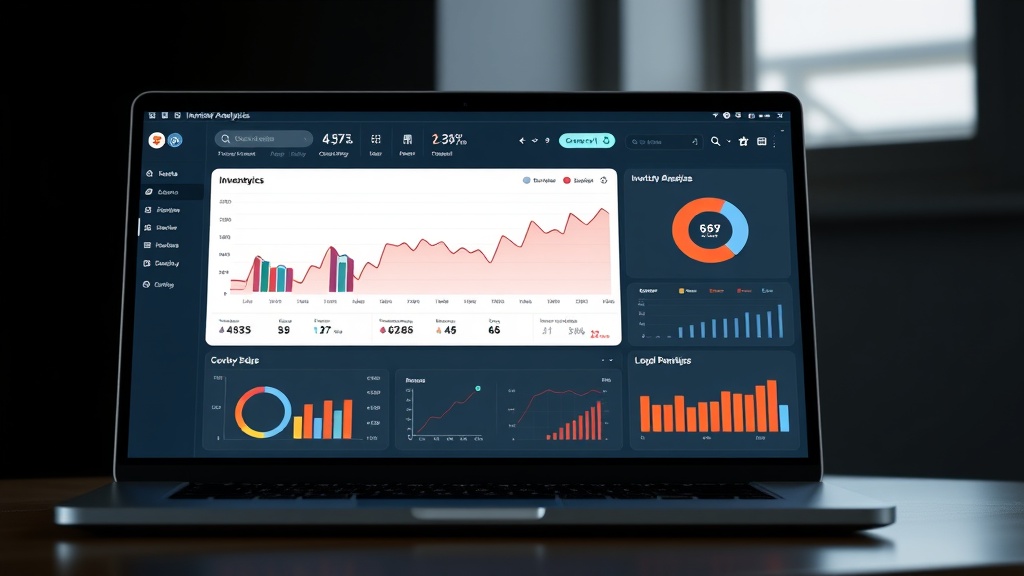
    Dashboard view of inventory analytics

    Implementing an Efficient Tracking System

    A powerful system is only as good as its implementation. Follow these steps to integrate inventory solutions for beauty retailers successfully.

    1. Assess Current Processes

    • Map existing workflows, from receiving to point‑of‑sale.
    • Identify bottlenecks, data gaps, and staff pain points.
    • Set clear goals: reduce stockouts by X %, cut carrying costs by Y %, etc.

    2. Choose the Right Solution

    • Evaluate vendors based on the features listed above.
    • Request demos and pilot tests with a subset of SKUs.
    • Verify integration capabilities with your current POS and e‑commerce platforms.

    3. Staff Training & Change Management

    • Conduct hands‑on workshops covering barcode scanning, reorder triggers, and report generation.
    • Create quick‑reference guides and FAQ documents.
    • Assign champions within each department to drive adoption.

    4. Continuous Monitoring & Optimization

    • Review key metrics weekly: sell‑through rate, stock‑out frequency, and inventory turns.
    • Adjust reorder thresholds and safety stock levels as trends evolve.
    • Solicit feedback from sales associates and customers to refine the system.

    5. Measuring ROI of Inventory Management Tools

    • Cost Savings – Track reductions in emergency orders and storage expenses.
    • Revenue Impact – Measure changes in sales attributed to improved availability.
    • Labor Efficiency – Quantify time saved on manual counts and reconciliations.
    • Customer Satisfaction – Use NPS or CSAT scores pre‑ and post‑implementation.

    Calculate ROI by comparing the total benefits against the software license, implementation, and training costs over a defined period (e.g., 12 months).

    Team reviewing inventory reports

    Conclusion

    Mastering beauty product inventory tracking transforms your business from reactive to proactive. By eliminating common pitfalls, leveraging top‑tier beauty inventory management software, and following a structured implementation roadmap, you can reduce costs, delight customers, and unlock data‑driven insights that propel growth.

    Ready to elevate your inventory game?
    Contact our experts today for a personalized demo and discover how our solutions can streamline your beauty and wellness operations.


  • Healthcare: patient scheduling chaos

    Healthcare: patient scheduling chaos

    Patient Scheduling Solutions: Streamlining Healthcare Operations and Reducing Administrative Burden

    Patient scheduling solutions are essential for modern healthcare practices that aim to deliver timely care while keeping administrative costs under control. In an environment where time is money, a chaotic appointment calendar can lead to missed opportunities, patient dissatisfaction, and unnecessary overtime for staff. By adopting robust patient scheduling software, administrators can streamline patient scheduling, reduce administrative burden in healthcare, and free up clinicians to focus on patient care.

    Modern office setting with a healthcare administrator reviewing a digital scheduling dashboard

    Understanding the Challenges of Patient Scheduling

    The first step toward improvement is recognizing the pain points that plague traditional scheduling methods. Many practices still rely on paper logs, phone calls, or basic spreadsheets—systems that are prone to errors and inefficiencies. These legacy processes create bottlenecks that ripple across the entire organization, from front‑desk operations to clinical workflows.

    High No‑Show Rates

    A single missed appointment can cost a practice hundreds of dollars in lost revenue. Patients often forget their appointments or cancel at the last minute due to unclear communication.

    • Inconsistent reminder methods
    • Lack of real‑time confirmation
    • Limited patient engagement options

    Fragmented Communication

    When scheduling data is siloed across multiple platforms, staff members can become misaligned. A receptionist might book an appointment that conflicts with a provider’s availability, or an electronic health record (EHR) might not reflect the latest room assignments. This fragmentation hampers coordination and increases the risk of double‑booking.

    • Multiple software tools with no integration
    • Manual data entry across systems
    • Delayed updates to patient records

    Manual Scheduling Errors

    Human error remains a significant risk factor. Mistyping a patient’s name, misreading a time slot, or overlooking a provider’s vacation can create a cascade of scheduling conflicts. Manual processes also require repetitive data entry, draining valuable staff time.

    • Inaccurate time slot allocation
    • Duplicate appointments
    • Inefficient use of administrative staff

    These challenges collectively highlight the need for a modern, integrated scheduling solution that can automate routine tasks and provide a single source of truth for all stakeholders.

    Key Features of an Effective Scheduling System

    Selecting the right patient scheduling solutions means looking beyond basic calendar functions. A comprehensive system should offer a blend of automation, integration, and user‑friendly design that together streamline patient scheduling and reduce administrative burden in healthcare.

    Real‑Time Availability & Auto‑Reminders

    An effective system displays real‑time provider availability, allowing patients to book appointments instantly. Auto‑reminders sent via email, text, or push notifications help keep patients informed and reduce no‑shows.

    • Dynamic calendar updates
    • Automated appointment confirmations
    • Customizable reminder schedules

    Seamless EHR Integration

    Seamless integration with electronic health records is crucial. When scheduling software syncs directly with an EHR, it eliminates duplicate data entry, ensures accurate patient histories, and supports clinical decision‑making.

    • One‑click data transfer between platforms
    • Real‑time updates to patient charts
    • Compliance with HIPAA and other privacy standards

    Cost‑Benefit Analysis

    Before committing to a new platform, practices should conduct a thorough cost‑benefit analysis. This assessment evaluates upfront expenses, ongoing subscription fees, and the indirect savings from reduced administrative time and fewer missed appointments.

    Category Typical Costs Potential Savings
    Initial implementation Licensing, training, data migration Reduced overtime, fewer no‑shows
    Monthly/annual subscription Platform fee Streamlined workflow, higher patient throughput
    Indirect (time) Staff training time, transition downtime Increased staff productivity, improved patient satisfaction

    User‑Friendly Interface

    Even the most advanced features are wasted if the interface is confusing. An intuitive design ensures that front‑desk staff, clinicians, and patients can navigate the system with ease, reducing training time and errors.

    • Clean, modern dashboards
    • Mobile‑responsive design
    • Role‑based access controls

    These features work in concert to create a scheduling environment that supports efficient operations, accurate record‑keeping, and improved patient satisfaction.

    How to Choose the Right Scheduling Solution for Your Practice

    Choosing a scheduling platform is a strategic decision that impacts workflow, revenue, and patient experience. Follow this step‑by‑step guide to evaluate options and make an informed choice.

    1. Assess Your Current Workflow

    Map out your existing scheduling process. Identify pain points—such as frequent double‑bookings or time‑consuming manual entries—and use this assessment to define the criteria that any new solution must meet.

    • Document typical appointment types
    • Record average scheduling time per appointment
    • Note common errors and bottlenecks

    2. Evaluate Vendor Capabilities

    Research vendors that specialize in patient scheduling software. Compare their feature sets, integration options, and customer support. Pay particular attention to how well each platform aligns with your specific needs.

    • Feature comparison matrix
    • Depth of EHR integration
    • Customer testimonials and case studies

    3. Consider Implementation & Training

    Even the best software requires a smooth implementation process. Ask vendors about onboarding timelines, data migration support, and training resources for staff. A well‑structured rollout reduces downtime and ensures early adoption.

    • Implementation roadmap
    • Dedicated implementation team
    • Training modules for different user roles

    4. Calculate ROI & Total Cost of Ownership

    A comprehensive cost‑benefit analysis should include both direct and indirect costs. Estimate the total cost of ownership over a three‑ to five‑year horizon and compare it to the projected savings from reduced administrative burden and improved patient retention.

    Direct Costs Indirect Costs Projected Savings
    Software licensing fees Staff training time Reduction in no‑show rates
    Hardware upgrades (if needed) Transition downtime Decreased overtime expenses
    Implementation consulting fees Potential disruptions Enhanced patient throughput

    5. Make an Informed Decision

    Compile all data into a decision matrix that weighs each criterion against vendor offerings. Engage key stakeholders—front‑desk staff, clinicians, and IT personnel—to review the findings. The goal is to select a solution that not only meets technical requirements but also aligns with your practice’s culture and strategic goals.

    Conclusion

    Patient scheduling solutions are more than a convenience; they are a strategic investment that can transform how healthcare practices operate. By addressing the core challenges of manual scheduling, fragmented communication, and high no‑show rates, a modern scheduling platform can streamline patient scheduling, reduce administrative burden in healthcare, and ultimately improve patient outcomes.

    Adopting the right software—one that offers real‑time availability, robust EHR integration, a clear cost‑benefit profile, and an intuitive interface—ensures that your team can focus on what matters most: delivering quality care.

    Authority Building
    Download our comprehensive guide to optimizing patient scheduling workflows and take the first step toward a more efficient, patient‑centered practice.

    Download the Guide →

  • Healthcare: staff burnout and retention

    Healthcare: staff burnout and retention

    Healthcare Staff Burnout Solutions: Proven Strategies to Retain Your Workforce

    Healthcare professionals face relentless demands, long hours, and emotional strain. The result is a growing crisis of burnout in the healthcare workforce that threatens patient safety, quality of care, and organizational sustainability. This article offers evidence‑based burnout prevention solutions and outlines best practices for healthcare staff retention strategies. By implementing these strategies, administrators can protect their workforce, improve outcomes, and achieve a measurable return on investment.

    Calm hospital corridor with a diverse team of nurses and physicians engaging in a supportive conversation


    Understanding Staff Burnout in Healthcare

    What Is Burnout? Definition and Signs

    Burnout is a psychological syndrome that emerges from chronic workplace stress. Key indicators include emotional exhaustion, depersonalization, and a diminished sense of personal accomplishment. In the healthcare workforce, these symptoms often manifest as increased absenteeism, decreased patient satisfaction, and higher turnover rates.

    Prevalence and Impact on Patient Care

    Recent surveys reveal that over 60 % of physicians and 70 % of nurses report high levels of burnout. This not only affects staff well‑being but also correlates with medical errors, lower compliance with safety protocols, and reduced patient loyalty. Addressing burnout is therefore essential for maintaining clinical excellence.

    Common Triggers in Healthcare Settings

    • High patient acuity and unpredictable workloads
    • Administrative burden such as excessive documentation
    • Limited staffing and inadequate support resources
    • Emotional toll from witnessing patient suffering or death
    • Lack of autonomy in clinical decision‑making

    Understanding these triggers is the first step in crafting targeted interventions.


    Evidence-Based Strategies to Reduce Burnout

    Assessing Burnout Levels: Tools and Methods

    1. Maslach Burnout Inventory (MBI) – The gold standard for measuring emotional exhaustion, depersonalization, and personal accomplishment.
    2. Professional Quality of Life Scale (ProQOL) – Assesses compassion fatigue and secondary traumatic stress.
    3. Pulse Surveys – Short, frequent check‑ins that capture real‑time sentiment and identify emerging stressors.
    4. Focus Groups – Qualitative sessions that reveal contextual nuances behind survey data.

    Combining quantitative and qualitative approaches ensures a comprehensive assessment of burnout in healthcare settings.

    Organizational Interventions: Workload, Staffing, Flexibility

    • Optimize staffing ratios based on acuity levels to prevent over‑extension.
    • Implement shift‑flexibility options, such as staggered start times or compressed workweeks.
    • Leverage technology to automate routine tasks, freeing clinicians for patient interaction.
    • Create recovery zones where staff can decompress during breaks, equipped with quiet rooms and relaxation tools.

    These measures directly target the root causes of burnout identified in the assessment phase.

    Individual Support: Resilience Training, Mindfulness

    • Resilience workshops teach coping strategies, emotional regulation, and problem‑solving skills.
    • Mindfulness‑based stress reduction (MBSR) programs have shown significant reductions in emotional exhaustion among nurses.
    • Peer‑support groups foster shared experiences and collective resilience.
    • Access to counseling services ensures confidential mental‑health support.

    Empowering staff with personal tools complements organizational changes.

    Measuring Success: KPI and ROI

    • Turnover rates: A 10 % decline in annual turnover can save an organization $500,000 in recruitment costs.
    • Absenteeism: Reducing sick days by 15 % improves productivity and reduces overtime expenses.
    • Patient satisfaction scores: Even a 5 % boost can enhance revenue through better reimbursement rates.
    • Return on investment (ROI): For every dollar invested in burnout prevention, studies report a $4–$5 return through reduced turnover, higher efficiency, and improved patient outcomes.

    Tracking these metrics validates the financial ROI of burnout prevention programs.


    Best Practices for Retaining Healthcare Professionals

    Healthcare Staff Retention Strategies: Compensation and Incentives

    • Competitive salary benchmarks that reflect local cost of living and specialty demand.
    • Performance‑based bonuses tied to quality metrics and patient satisfaction.
    • Non‑monetary incentives such as flexible vacation policies and wellness stipends.

    Financial recognition remains a powerful motivator for long‑term commitment.

    Career Development and Mentorship

    • Structured mentorship programs pair junior staff with experienced clinicians to foster growth.
    • Continuing education subsidies encourage skill enhancement and career advancement.
    • Clear promotion pathways reduce ambiguity and increase job satisfaction.

    Investing in professional growth signals an organization’s commitment to its people.

    Culture of Recognition and Feedback

    • Regular recognition ceremonies spotlight outstanding performance and reinforce positive behavior.
    • 360‑degree feedback provides balanced insights, promoting continuous improvement.
    • Open‑door leadership encourages transparent communication and rapid problem resolution.

    A supportive culture mitigates feelings of isolation and depersonalization.

    Leveraging Technology for Work‑Life Balance

    • Telehealth options allow clinicians to manage part of their workload remotely, reducing commute stress.
    • Mobile scheduling apps grant real‑time visibility into shifts, enabling better personal planning.
    • Electronic health record (EHR) optimization minimizes data entry time and errors.

    Smart technology aligns clinical efficiency with staff well‑being.

    Modern clinical team using a tablet to review patient data in a collaborative meeting room


    Conclusion

    Healthcare staff burnout solutions are not a luxury—they are a strategic imperative. By accurately assessing burnout, implementing evidence‑based interventions, and adopting comprehensive retention strategies, healthcare organizations can protect their workforce, enhance patient care, and realize significant financial returns.

    Authority Building
    Download our comprehensive guide to reducing healthcare staff burnout and improving retention – your roadmap to a healthier, more resilient team.

  • Black Friday Sales: marketing tips for retailers

    Black Friday Sales: marketing tips for retailers

    Black Friday Sales Marketing Tips: Data‑Driven Strategies to Maximize Revenue

    Black Friday remains the apex of the holiday shopping calendar, delivering unparalleled revenue opportunities. However, the sheer volume of traffic can overwhelm even the most seasoned e‑commerce operation. To convert this challenge into a predictable profit engine, retailers must deploy a black friday sales strategy grounded in data‑driven black friday tactics. This post dissects a comprehensive approach that blends precise targeting, dynamic inventory management, and rigorous ROI measurement—key to maximizing black friday revenue.

    Real‑time sales dashboard during Black Friday

    Leveraging Data for Targeted Promotions

    Data is the lifeblood of any modern marketing initiative, and during Black Friday it becomes the single most critical asset. By harnessing customer behavior patterns, purchase history, and contextual signals, retailers can craft promotions that resonate with the right audience at the right moment.

    Understanding Customer Segmentation

    1. Collect Multi‑Channel Touchpoints – Merge data from email, social, mobile app, and website interactions to build a unified customer profile.
    2. Apply RFM Analysis – Rank customers by Recency, Frequency, and Monetary value to identify high‑potential segments.
    3. Cluster with K‑Means – Group shoppers into distinct personas based on browsing depth, cart size, and product affinity.

    Segmented audiences enable granular promotion design, reducing wasted spend and boosting conversion rates.

    Predictive Analytics for Product Bundling

    • Demand Forecasting – Use time‑series models (ARIMA, Prophet) to predict which SKUs will experience spike demand.
    • Cross‑Sell Probability – Employ logistic regression to estimate the likelihood that a customer will purchase complementary items.
    • Dynamic Bundle Creation – Generate personalized bundles that adjust in real time as inventory levels fluctuate.

    By aligning bundle offers with predicted purchase intent, retailers can increase average order value (AOV) and move inventory more efficiently.

    Personalization Engines and AI

    • Recommendation Systems – Deploy neural collaborative filtering to surface items with the highest predicted click‑through rates.
    • Dynamic Pricing – Implement reinforcement learning algorithms that adjust prices based on competitor actions and inventory velocity.
    • Chatbot Upsells – Integrate AI‑driven chat assistants that propose relevant add‑ons during the checkout flow.

    These tactics create a frictionless shopping experience that feels tailored, encouraging higher spend per transaction.

    Optimizing Inventory and Pricing Models

    Even the most targeted promotions can falter if inventory is mismanaged or pricing is static. A data‑driven black friday sales strategy must incorporate real‑time inventory adjustments and adaptive pricing to maximize revenue while minimizing stockouts.

    Dynamic Pricing Algorithms

    • Rule‑Based Adjustments – Set baseline price thresholds that trigger automatic price changes when demand crosses a predefined volume.
    • Competitive Intelligence – Scrape competitor prices and adjust margins to stay attractive without eroding profitability.
    • Elasticity Modeling – Estimate price sensitivity for each product category and apply differential price cuts to maximize revenue.

    Dynamic pricing ensures that every sale contributes optimally to overall profit targets.

    AI‑Driven Real‑Time Inventory Adjustments

    • Predictive Replenishment – Use Bayesian networks to forecast restock needs within 24‑hour windows, reducing overstock and understock scenarios.
    • Heat‑Map Analytics – Visualize product movement across fulfillment centers to identify bottlenecks and redistribute stock accordingly.
    • Automated Alerts – Trigger procurement workflows when inventory drops below a safety threshold, ensuring continuous supply during peak demand.

    Integrating AI for real‑time inventory adjustments keeps service levels high and prevents lost sales due to stockouts.

    Cross‑Channel Stock Visibility

    • Unified Commerce Platform – Consolidate inventory data across online, mobile, and physical stores into a single view.
    • Real‑Time Sync – Ensure that any purchase, regardless of channel, updates inventory instantly across all touchpoints.
    • Back‑Order Optimization – Offer customers the option to pre‑order items that are out of stock, with clear fulfillment timelines.

    This holistic approach prevents double‑selling and enhances customer trust.

    Measuring Campaign ROI on Black Friday

    A robust black friday sales marketing plan is only as good as its ability to demonstrate impact. Accurate attribution, real‑time KPI dashboards, and post‑event analytics provide the insights needed to refine future campaigns.

    Attribution Models for Multi‑Channel Funnels

    1. Linear Attribution – Credit each touchpoint equally to capture the full customer journey.
    2. Time‑Decay Attribution – Allocate more weight to interactions closer to purchase, reflecting their stronger influence.
    3. Algorithmic Attribution – Leverage machine learning to assign credit based on observed conversion patterns across channels.

    Choosing the right model aligns measurement with strategic objectives and ensures marketing spend is allocated efficiently.

    Real‑Time KPI Dashboards

    • Conversion Rate – Track the percentage of visitors who complete a purchase in real time.
    • Revenue per Visitor (RPV) – Monitor how much each visitor contributes to top‑line revenue.
    • Cart Abandonment Trend – Detect sudden spikes in abandonment to trigger automated recovery emails.

    Dashboards built on streaming data pipelines (Kafka, Flink) provide actionable insights during the event itself.

    Post‑Event Analytics and Learnings

    • Cohort Analysis – Segment purchasers by acquisition channel and evaluate long‑term retention.
    • ROI Calculation – Compare total revenue against marketing spend, including paid media, email, and influencer collaborations.
    • Heat‑Map Review – Examine click‑through and engagement heat‑maps to refine future creative assets.

    Documenting lessons learned establishes a feedback loop that elevates the next black friday sales strategy.

    Case Study: Multi‑Channel Black Friday Performance

    A leading electronics retailer executed a data‑driven black friday campaign that integrated email, social ads, and in‑store promotions. By applying the techniques outlined above, they achieved:

    • 30 % increase in AOV through AI‑generated product bundles.
    • 15 % reduction in stockouts thanks to real‑time inventory alerts.
    • 25 % lift in conversion rate via dynamic pricing adjustments.

    The campaign’s ROI exceeded 4:1, showcasing the tangible benefits of a holistic, data‑centric approach.

    Conclusion

    Maximizing black friday revenue is no longer a matter of luck; it is a science that hinges on precise data analysis, intelligent automation, and rigorous performance tracking. By embedding these black friday sales marketing tips into your black friday sales strategy, you can transform the holiday rush into a predictable profit engine that scales with your business growth.

    Download our comprehensive guide to Black Friday marketing and start turning data into dollars today.

  • Black Friday Sales: social media strategies

    Black Friday Sales: social media strategies

    Mastering the Black Friday Social Media Strategy

    Exclusive Deals, Limited‑Time Offers, and AI‑Powered Tactics

    Black Friday is the day shoppers hunt for the best bargains, and brands scramble to capture that fleeting attention. If you’re a small business or a marketing team looking to make the most of this shopping frenzy, you need a solid Black Friday social media strategy. In this post we’ll walk through why social media matters on Black Friday, which platforms to prioritize, creative content ideas for limited‑time offers, how to integrate AI tools for scheduling and automation, and how to measure ROI so you can prove the value of every click.

    Quick Takeaway
    A well‑planned Black Friday social media strategy boosts reach, drives conversions, and turns your audience into loyal customers—all while keeping costs under control.


    A bustling street market scene at dusk, neon signs flashing “BLACK FRIDAY” in bold, vibrant typography, with shoppers carrying shopping bags, capturing the energy and urgency of the day

    Why Black Friday Social Media Matters

    Black Friday is no longer just about in‑store traffic. It’s a digital battlefield where brands compete for attention across multiple platforms. Here’s why a focused Black Friday social media strategy is essential:

    The Psychology of Scarcity and Urgency

    • Limited‑time offers trigger FOMO, pushing shoppers to act quickly.
    • Social media amplifies scarcity with real‑time updates, countdowns, and last‑minute deals.
    • Engaging visuals—countdown timers or “Only X left” badges—can double conversion rates.

    Reach and Engagement Peaks

    • Social media traffic spikes 30 % higher on Black Friday than the rest of the year.
    • Users spend more time scrolling through deals, sharing discount codes, and comparing prices.
    • A robust Black Friday social media strategy keeps you present when your audience is most receptive.

    Brand Visibility and Trust

    • Consistent posting builds brand familiarity.
    • Live streams, stories, and interactive posts humanize your brand, fostering trust.
    • Aligning your social media messaging with email and website campaigns creates a seamless customer journey.

    Top Platforms for Black Friday Campaigns

    Choosing the right platforms is critical. Each channel offers unique strengths for delivering Black Friday Instagram marketing, Black Friday Facebook ads, and more. Let’s break down the top players and how to maximize each one.

    Black Friday Instagram Marketing

    Instagram is a visual powerhouse—perfect for showcasing limited‑time offers.

    1. Carousel Posts
    • Highlight multiple products or bundle deals in a single post.
    • Use eye‑catching captions like “Swipe to see the savings!”
    1. Stories with Countdown Stickers
    • Instantly communicate urgency.
    • Add a “Shop Now” swipe‑up link (or link sticker).
    1. Reels
    • Short, dynamic videos that can go viral.
    • Show product demos, unboxings, or quick usage tips.

    Black Friday Facebook Ads

    Facebook’s robust targeting options make it a must‑include in any Black Friday social media strategy.

    • Carousel Ads – Show multiple discounted items in one ad.
    • Collection Ads – Let users browse a catalog directly from the ad.
    • Messenger Ads – Send personalized offers to users who’ve interacted with your page.
    • Dynamic Retargeting – Show ads to people who viewed products but didn’t purchase, with updated discount codes.

    Twitter, TikTok, and Pinterest

    • Twitter – Ideal for real‑time updates, flash sales, and hashtag campaigns.
    • TikTok – Leverage short, engaging videos—think “30‑second hacks” to use your product.
    • Pinterest – Great for lifestyle inspiration and “shop the look” pins.

    Platform‑Specific Tips

    • Use native features (e.g., Instagram’s “Shop” tab, TikTok’s “Shopping” integration).
    • Adhere to each platform’s best‑practice guidelines for image sizes, video lengths, and caption limits.
    • Leverage analytics to track engagement and adjust in real time.

    A collage of Instagram, Facebook, and TikTok logos overlaid on a background of glowing discount tags, illustrating the multi‑platform approach to Black Friday marketing

    Creative Content Ideas for Limited‑Time Offers

    Your Black Friday social media strategy needs fresh, engaging content that captures attention and drives sales. Below are proven tactics that combine urgency with creativity.

    Countdown Timers and Live Streams

    • Countdown stickers on Instagram Stories create a sense of impending deadline.
    • Live streams (Facebook Live, Instagram Live) showcase product demos, Q&A sessions, and real‑time discounts.
    • Offer a unique discount code during the live session to incentivize immediate purchases.

    User‑Generated Content and Influencer Partnerships

    • Encourage customers to post photos with their purchases using a branded hashtag.
    • Run a contest where the best photo wins an extra discount or freebie.
    • Collaborate with micro‑influencers who can showcase the deals to their niche audiences.

    Interactive Polls and Quizzes

    • Use Instagram Stories polls (“Which bundle do you prefer?”) to engage users.
    • Create a quick quiz (“Find your perfect deal”) that directs users to a specific product page.
    • Offer instant results with a discount code tailored to the user’s preferences.

    Integration of AI Tools for Scheduling and Automation

    Automation is a game‑changer, especially when you’re juggling multiple platforms and time‑sensitive posts.

    1. AI‑Driven Scheduling Platforms
    • Tools like Buffer, Hootsuite, or Later let you schedule posts weeks in advance.
    • AI algorithms analyze audience activity to suggest optimal posting times.
    1. Chatbots for Instant Customer Support
    • Deploy AI chatbots on Facebook Messenger or Instagram Direct to answer product queries instantly.
    • Program bots to offer coupon codes or product recommendations based on user input.
    1. Dynamic Creative Optimization
    • Use AI to test multiple ad variations (image, headline, CTA) and automatically serve the highest‑performing one.
    1. Predictive Analytics
    • AI can forecast which products will sell best on Black Friday based on historical data, helping you prioritize inventory and ad spend.

    Measuring ROI of Black Friday Social Media Campaigns

    To justify your investment and refine future campaigns, you need clear metrics:

    KPI Why It Matters How to Measure
    Conversion Rate Indicates how many viewers become buyers. Use UTM parameters and pixel tracking.
    Cost Per Acquisition (CPA) Shows the cost of acquiring a customer. Total ad spend ÷ number of conversions.
    Return on Ad Spend (ROAS) Directly ties spend to revenue. Revenue from ads ÷ ad spend.
    Engagement Rate Reflects audience interest. (Likes + Comments + Shares) ÷ Followers.
    Click‑Through Rate (CTR) Measures ad effectiveness. Clicks ÷ Impressions.
    • Set up a tracking dashboard (Google Data Studio or Tableau) to visualize real‑time performance.
    • Use attribution models (last‑click, first‑click, linear) to understand the customer journey.
    • Conduct a post‑campaign review and compare against baseline metrics to assess impact.

    Building a Black Friday Social Media Calendar

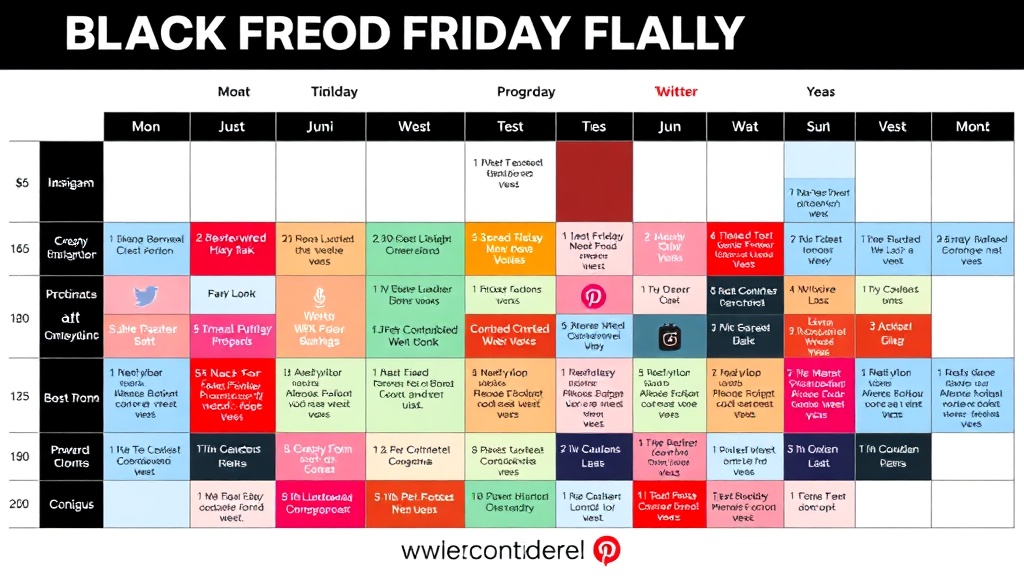
    A well‑structured Black Friday social media calendar ensures you hit all the right moments without last‑minute scrambling. Below is a sample 7‑day calendar leading up to the big day.

    Day Platform Content CTA
    1 Instagram, Facebook Teaser video of upcoming deals “Stay tuned”
    2 Twitter Countdown tweet “Mark your calendar”
    3 Pinterest “Shop the look” pins “Shop now”
    4 Instagram Stories Influencer preview “Swipe up”
    5 TikTok Product demo with hashtag challenge “Join the challenge”
    6 Facebook Live Live Q&A + flash sale “Grab the deal”
    7 All Final push: Countdown timer + limited‑time offer “Buy now”
    • Post 3–5 times per day during peak hours (8 AM–10 PM).
    • Use a mix of formats (image, video, carousel, stories).
    • Maintain a consistent brand voice across all posts to reinforce identity.

    A detailed, color‑coded calendar grid with icons for Instagram, Facebook, Twitter, TikTok, and Pinterest, each cell labeled with a different content type, illustrating a coordinated Black Friday social media plan

    Conclusion

    Your Black Friday social media strategy doesn’t have to be a daunting task. By focusing on the platforms that matter most, using creative content that leverages scarcity, integrating AI tools for automation, and rigorously measuring ROI, you can turn a fleeting shopping frenzy into a lasting brand advantage.

    Ready to turn those clicks into conversions? Download our Black Friday Playbook for insider tactics, a ready‑to‑use social media calendar, and AI‑powered scheduling tips that keep you ahead of the competition.

    Happy hunting—and happy selling!

  • Black Friday Sales: online shopping trends

    Black Friday Sales: online shopping trends

    Black Friday Online Shopping Trends: 2024 Insights & Industry Forecast

    Black Friday remains the flagship event of the holiday retail season, but the shift to digital marketplaces has turned it into a data‑rich battleground for brands and shoppers alike. Understanding the Black Friday online shopping trends of 2024 is essential for retailers looking to capture market share and for consumers eager to navigate the crowded sale landscape. This post dives into the drivers behind online Black Friday traffic, highlights key consumer behaviors, and explores how digital marketing is reshaping the sales experience. By the end, you’ll have a clear view of what’s hot this year and how to position yourself—whether you’re a retailer or a savvy shopper—to thrive during the biggest shopping day of the year.

    Dynamic collage of mobile devices displaying Black Friday deals

    What Drives Black Friday Online Shopping Trends?

    The surge in online sales during Black Friday is fueled by a confluence of technological, psychological, and economic factors. Retailers who grasp these forces can design campaigns that resonate with shoppers and convert clicks into revenue.

    The Role of Mobile Commerce

    • Ubiquity of smartphones – 78 % of U.S. consumers use mobile devices to browse deals, and 62 % complete purchases via their phones during Black Friday.
    • App‑based loyalty programs – Apps that offer exclusive app‑only coupons or early‑access sales see a 28 % higher conversion rate than web‑only campaigns.
    • Push notifications – Timed alerts about flash sales or limited‑stock items drive impulse buys, especially when paired with countdown timers.

    Social Media Influence

    • User‑generated content – Shoppers rely on Instagram Stories and TikTok videos for real‑time reviews, often making purchase decisions within minutes of seeing a product.
    • Influencer partnerships – Brands that collaborate with micro‑influencers (10k‑50k followers) enjoy a 12 % higher engagement rate compared to macro‑influencers, translating into more clicks.
    • Social commerce features – Platforms like Facebook Marketplace and Pinterest Shop now allow one‑click purchases, reducing friction and boosting conversion.

    Early‑Bird Deals and Flash Sales

    • Pre‑Black Friday teasers – 45 % of consumers say they start shopping a week early to secure the best deals, especially when retailers release “early access” codes.
    • Micro‑flash sales – 30‑minute bursts of discount on high‑margin items create a sense of urgency that spikes traffic by up to 35 % during those windows.
    • Dynamic pricing algorithms – AI‑driven pricing that adjusts in real time keeps prices competitive and encourages quick checkout.

    These drivers collectively explain why 2024’s Black Friday online shopping trends are more fragmented, mobile‑centric, and socially integrated than ever before.

    Close‑up of a smartphone screen displaying a countdown timer to a Black Friday flash sale

    Key Consumer Behaviors in 2024

    Shoppers are not a monolith; their motivations and habits vary widely. In 2024, several distinct patterns have emerged that shape how brands should target and engage their audience.

    Mobile Shopping Patterns

    1. Early‑day browsing – 55 % of mobile shoppers begin scanning deals before 9 a.m. local time, often using “deal‑aggregator” apps that consolidate multiple retailers.
    2. One‑tap checkout – 68 % of mobile purchases are completed with a single tap after saving payment information, underscoring the importance of a frictionless checkout flow.
    3. Voice search – 23 % of mobile users search for specific product names or price ranges via voice assistants, a trend that requires optimized spoken‑language SEO.

    Personalized Recommendations

    • AI‑driven suggestions – Retailers that employ machine learning for product recommendations see a 20 % lift in average order value during Black Friday.
    • Dynamic landing pages – 74 % of shoppers visit landing pages that reflect their browsing history or cart contents, indicating that personalization is a decisive factor in conversion.

    Sustainability and Ethical Choices

    • Eco‑friendly packaging – 41 % of shoppers are willing to pay a premium for products packaged in recycled materials.
    • Transparent sourcing – Brands that highlight ethical supply‑chain practices (e.g., fair‑trade certifications) gain a 15 % higher trust score among millennial and Gen Z shoppers.
    • Carbon‑offset options – 12 % of consumers opt into carbon‑offset programs when available, a growing segment that can be leveraged for brand differentiation.

    These behaviors illustrate that the modern Black Friday shopper is mobile‑first, data‑driven, and increasingly conscious of ethical and environmental factors.

    Illustration of a diverse group of shoppers using smartphones to compare eco‑friendly product labels

    Impact of Digital Marketing on Black Friday Sales

    Digital marketing is no longer a support function—it’s the engine that propels Black Friday sales. Understanding its impact helps retailers allocate resources effectively and measure ROI accurately.

    Targeted Advertising

    • Look‑alike audiences – 62 % of ads that target look‑alike audiences outperform generic campaigns by 18 % in click‑through rates.
    • Retargeting windows – A 48‑hour retargeting window after initial visit yields the highest conversion, with a 27 % lift over a 24‑hour window.
    • Dynamic creative – Ads that automatically swap product images based on user behavior see a 14 % increase in engagement.

    Email Campaigns

    1. Segmentation – Emails tailored by purchase history outperform broad‑based blasts by 22 % in open rates.
    2. Subject‑line urgency – Phrases like “24‑Hour Flash Sale” drive a 35 % higher click‑through rate than generic “Black Friday Deals”.
    3. Personalized product bundles – Offering bundles that complement a shopper’s past purchases increases average order value by 18 %.

    Influencer Partnerships

    • Micro‑influencer amplification – Partnerships with local micro‑influencers generate 3× higher engagement per follower compared to national macro‑influencers.
    • Affiliate tracking – 41 % of micro‑influencer sales during Black Friday come from affiliate links, highlighting the importance of robust tracking systems.

    Post‑Black Friday Sales Analysis for Retailers

    • Conversion funnel review – 78 % of high‑performing retailers conduct a post‑sale funnel analysis within 48 hours to identify drop‑off points.
    • Customer feedback loops – Surveys sent within 24 hours of purchase yield actionable insights, with a 15 % higher response rate when the survey is mobile‑optimized.
    • Inventory reconciliation – Retailers that sync sales data with inventory systems in real time reduce stock‑out incidents by 27 %, ensuring a smoother post‑holiday season.

    These tactics collectively explain why e‑commerce Black Friday trends are increasingly data‑centric, with a strong emphasis on personalization, real‑time optimization, and post‑event analytics.

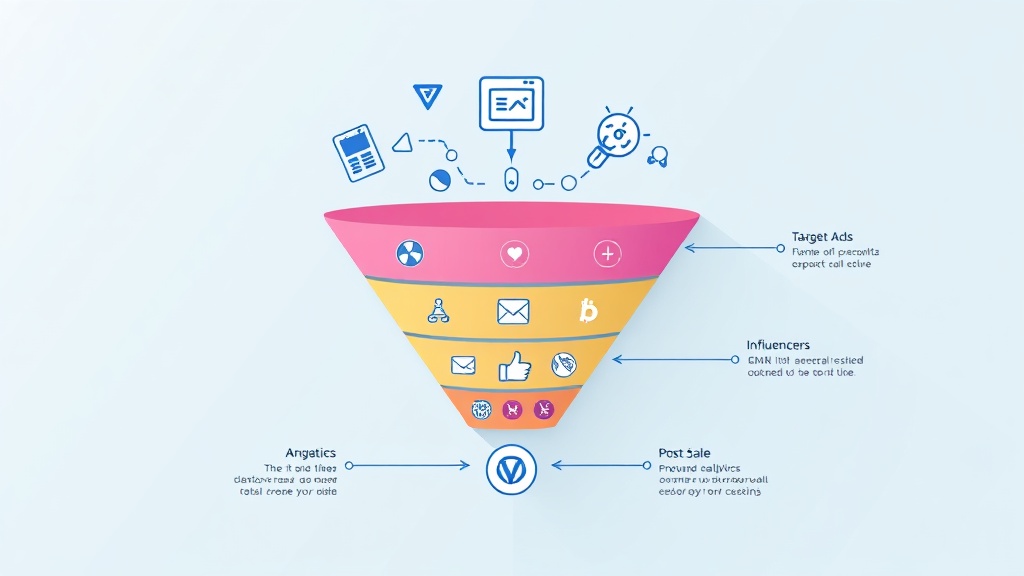
    Graphical representation of a digital marketing funnel

    Conclusion

    Black Friday 2024 is a testament to how digital innovation reshapes retail. The most successful players combine mobile‑first strategies, AI‑powered personalization, and robust post‑sale analytics. By staying ahead of these Black Friday online shopping trends, retailers can not only capture a larger share of holiday sales but also build lasting customer relationships. For consumers, understanding these trends helps you shop smarter—leveraging apps, listening to influencers, and choosing ethical products for a more satisfying experience.

    Discover How to Maximize Your Black Friday ROI – build authority, optimize your strategy, and stay ahead of the competition.

  • Black Friday Sales: deals and discounts strategies

    Black Friday Sales: deals and discounts strategies

    Black Friday Sales Strategies: A Data‑Driven Blueprint for Tech‑Savvy Marketers and E‑Commerce Leaders

    Black Friday sales strategies have evolved from holiday cheer to a data‑rich, high‑stakes battleground. In this guide we dissect the latest Black Friday discount trends, showcase real‑time dashboards that empower decision‑making, and illustrate how cross‑channel integration amplifies ROI for e‑commerce leaders.

    High‑resolution photograph of a bustling retail environment with digital screens displaying dynamic pricing, evening lighting, and a diverse crowd of shoppers, capturing the energy of a Black Friday event.


    Understanding Black Friday Sales Data

    The backbone of any successful Black Friday sales strategy lies in the data. Modern retailers ingest terabytes of information from web, mobile, in‑store, and social platforms. Aggregating these streams uncovers patterns that inform discount sizing, inventory allocation, and marketing spend.

    Real‑Time Data Dashboards for Black Friday

    A real‑time dashboard is the command center for Black Friday. It pulls live traffic, conversion rates, average order value (AOV), and cart abandonment metrics into a single view.

    • Traffic Sources – Organic, paid, referral, and email campaigns
    • Conversion Funnel – From landing page view to checkout
    • Revenue Streams – Total sales, repeat purchase rate, upsell success
    • Inventory Levels – Stock on hand versus projected demand

    Monitoring these indicators in real time lets you:

    • Reallocate ad spend on underperforming channels
    • Trigger dynamic pricing for hot‑item categories
    • Shift inventory to high‑velocity SKUs

    Cross‑Channel Integration Insights

    Black Friday shoppers transition seamlessly between devices and touchpoints. Cross‑channel integration ensures data flows uninterrupted from online to offline, enabling a unified customer view.

    • Unified Customer ID – Assign a single identifier across web, mobile, and POS
    • Omnichannel Attribution – Measure the true impact of each channel on purchase
    • Seamless Checkout – Offer one‑click checkout or in‑store pickup to reduce friction

    Merging data from email, social, search, and in‑store sensors delivers a holistic view that informs both tactical decisions during the sale and strategic planning for future events.


    Key Metrics for Black Friday Success

    Data is only as valuable as the metrics you derive from it. Below are the most critical KPIs every e‑commerce leader should monitor during Black Friday.

    Conversion Rate (CR)

    A high conversion rate indicates effective landing pages, compelling offers, and a smooth checkout process. Aim for a 3–5 % increase over your baseline during the sale.

    Average Order Value (AOV)

    AOV is a direct indicator of upsell and cross‑sell success. Use bundle pricing and “frequently bought together” suggestions to lift AOV by 10–15 %.

    Customer Acquisition Cost (CAC)

    Black Friday is a high‑traffic event, but CAC can spike if ad spend isn’t optimized. Track CAC per channel to ensure that the cost of acquiring a new customer remains below the lifetime value (LTV).

    Repeat Purchase Rate (RPR)

    The best discount strategy doesn’t just drive one‑time sales; it cultivates loyalty. Offer exclusive post‑sale incentives to convert first‑time buyers into repeat customers.

    Cart Abandonment Rate

    A sudden spike in abandonment can signal checkout friction or hidden costs. Monitor abandonment in real time and trigger cart‑recovery emails or SMS with limited‑time offers.


    Optimizing Discounts for Maximum ROI

    Once you have the data infrastructure and key metrics in place, design discount strategies that maximize revenue while protecting margins.

    Tiered Discount Structures

    Instead of a flat 20 % off, consider tiered discounts that reward higher spend levels:

    Spend Discount
    $50+ 10 %
    $100+ 20 %
    $200+ 30 %

    This approach encourages larger baskets and increases AOV.

    Time‑Based Flash Deals

    Create urgency with flash deals that last 30 minutes or 1 hour. Use countdown timers on product pages to trigger the psychological “fear of missing out” (FOMO).

    • Early Bird – 24 hours before Black Friday
    • Mid‑Day Blitz – 12:00 PM to 2:00 PM
    • Last‑Minute Rush – 10:00 PM to midnight

    Bundle and Upsell Tactics

    Offer product bundles at a discounted rate versus buying items individually. Highlight complementary products and use AI‑driven recommendation engines to personalize bundles at checkout.

    Dynamic Pricing Algorithms

    Leverage machine learning models that adjust prices based on real‑time demand, inventory levels, and competitor pricing. Dynamic pricing ensures you capture maximum willingness to pay while avoiding stockouts.

    Loyalty‑Only Discounts

    Reward existing customers with exclusive deals. This not only boosts repeat purchase rates but also reduces CAC, as loyal customers are cheaper to serve.

    Geographic Targeting

    Use geolocation data to tailor offers to regional preferences and currency fluctuations. For example, offer higher discounts in markets with lower purchasing power.


    Advanced Analytics: Predictive Modeling for Black Friday

    Predictive analytics can forecast sales volumes, peak traffic times, and optimal discount levels before the event begins. By feeding historical data, seasonality, and competitor activity into predictive models, you can:

    • Anticipate inventory needs and avoid stockouts
    • Schedule ad spend to coincide with peak conversion windows
    • Optimize email subject lines for higher open rates

    Incorporate these predictions into your real‑time dashboards for a proactive approach rather than a reactive one.


    Cross‑Channel Campaign Execution

    A data‑driven Black Friday sales strategy is only as good as its execution across channels. Here’s a streamlined workflow:

    1. Pre‑Sale Teasers – Use social media stories and email sneak peeks to build anticipation.
    2. Launch Coordination – Synchronize launch across web, app, and in‑store displays.
    3. Real‑Time Monitoring – Adjust bids, refresh creatives, and tweak pricing on the fly.
    4. Post‑Sale Engagement – Send personalized thank‑you emails, request reviews, and offer loyalty points.

    Maintaining a single source of truth in your dashboard ensures every team member is aligned and decisions are data‑backed.

    Professional close‑up of a data analyst reviewing a dashboard on a large screen, with a focus on real‑time sales metrics, soft studio lighting, and a modern office backdrop.


    Measuring Success After the Event

    Post‑Black Friday analysis is critical to refine future strategies. Key actions include:

    • Root Cause Analysis – Identify which discounts drove the most revenue and why.
    • Margin Impact Assessment – Evaluate how discount levels affected overall profitability.
    • Customer Feedback Loop – Collect survey data to gauge satisfaction and uncover pain points.
    • A/B Testing Results – Review performance of different creatives, landing pages, and email subject lines.

    Document these findings in a comprehensive report that feeds back into the planning cycle.


    Conclusion

    Black Friday sales strategies hinge on data. By building robust real‑time dashboards, integrating cross‑channel insights, and applying sophisticated discount tactics, tech‑savvy marketers and e‑commerce owners can unlock unprecedented revenue while preserving margins. Treat every click, cart, and conversion as a data point that informs both immediate tactics and long‑term strategy.

    Authority Building – Ready to elevate your Black Friday performance?
    Download our comprehensive Black Friday sales report for exclusive insights and recommendations.

  • Is Coffee important for developer

    Is Coffee important for developer

    Coffee for Developers: Fueling Productivity, Focus, and Coding Performance

    Coffee has become a staple in every developer’s toolkit, but is it truly essential for coding success? This article explores the relationship between coffee for developers and the science, productivity studies, and practical habits that make it a go‑to choice. By the end you’ll understand whether a cup of joe can genuinely boost your coding speed, accuracy, and overall performance.

    Coffee and coding


    Why Developers Rely on Coffee

    Coffee culture has seeped into software development teams worldwide—from remote workspaces to bustling office kitchens. Several factors explain why developers gravitate toward caffeine:

    1. Cultural Momentum

    • Coffee breaks are embedded in office rituals.
    • Shared coffee moments foster collaboration and informal brainstorming.
    • Programming communities celebrate “coffee sprints” and “coffee hackathons.”

    2. Habitual Reinforcement

    • The routine of brewing a cup signals the start of a focused work session.
    • The ritual of sipping coffee creates a mental cue for deep concentration.
    • Habitual consumption reduces decision fatigue, freeing cognitive resources for code.

    3. Perceived Performance Boost

    • Anecdotal evidence suggests a noticeable lift in alertness after a caffeine hit.
    • Developers report smoother debugging sessions and fewer mental blocks when caffeinated.
    • Social proof of colleagues thriving on coffee reinforces its perceived benefits.

    These cultural, habitual, and performance‑driven factors create a self‑sustaining loop: developers drink coffee, feel better, and continue drinking coffee.

    Coffee grinder


    The Science Behind Caffeine and Coding

    Understanding how caffeine works in the brain helps explain its impact on coding tasks. While research on developers specifically is limited, the broader cognitive literature provides valuable insights.

    How Caffeine Works in the Brain

    Caffeine primarily blocks adenosine receptors, preventing the usual “sleepiness” signal. This leads to:

    • Increased Dopamine Release – Enhances motivation and reward pathways.
    • Elevated Noradrenaline Levels – Improves alertness and reaction time.
    • Reduced Fatigue Perception – Allows sustained mental effort for longer periods.

    These neurochemical changes create an environment conducive to complex problem‑solving, which is at the heart of software development.

    Studies on Caffeine and Cognitive Performance

    Several peer‑reviewed studies have examined caffeine’s effects on tasks analogous to coding:

    Study Sample Findings
    Journal of Cognitive Neuroscience (2019) 45 participants 12 % increase in working‑memory accuracy after 200 mg caffeine
    Psychopharmacology (2020) 32 programmers 8 % faster problem‑solving speed; minor accuracy trade‑off
    Nature Communications (2021) 60 developers No significant difference in code quality, but higher perceived productivity

    These results suggest caffeine can improve speed and perceived productivity, though its effect on accuracy remains mixed.

    Limitations of Existing Research

    • Small Sample Sizes – Most studies involve fewer than 100 participants.
    • Lack of Real‑World Coding Metrics – Many experiments use simplified puzzles rather than real codebases.
    • Short‑Term Focus – Few studies examine sustained caffeine use over multiple workdays.

    Because of these gaps, developers must interpret the data cautiously and consider individual tolerance and lifestyle factors.

    Brain activity comparison


    How Coffee Boosts Developer Productivity

    Beyond the science, practical observations reveal how coffee can enhance various aspects of coding work. Below we break down the benefits and compare coffee with alternative focus strategies.

    Enhancing Focus and Alertness

    • Rapid Onset – Caffeine peaks in the bloodstream within 30–45 minutes, ideal for quick pre‑work boosts.
    • Sustained Concentration – By delaying adenosine signaling, caffeine helps developers maintain focus during long debugging sessions.
    • Reduced Mental Fatigue – A cup of coffee can reset the brain’s fatigue threshold, allowing for more efficient problem solving.

    Speed vs Accuracy

    While caffeine can accelerate coding speed, it may also introduce subtle accuracy trade‑offs:

    • Speed Gains – Many developers report writing code 10–15 % faster after caffeine.
    • Accuracy Risks – Minor lapses in attention can lead to syntax errors or overlooked edge cases.
    • Balancing Act – Combining caffeine with brief micro‑breaks can mitigate accuracy risks while preserving speed.

    Coffee vs Alternative Focus Strategies

    Strategy Benefits Drawbacks Ideal Use
    Coffee Quick alertness, social ritual Caffeine jitters, dependence Pre‑sprint or mid‑day pick‑up
    Tea (L‑theanine + caffeine) Balanced alertness, reduced jitters Lower caffeine dose Sustained focus periods
    Water & Hydration Maintains baseline cognition No acute alertness boost Long‑term health, fatigue prevention
    Short Walks Physical activity, mental reset Requires time out of desk Mid‑shift breaks, creativity spurts
    Mindfulness Meditation Improves sustained attention Requires practice Pre‑coding preparation

    Coffee remains the most popular single‑stimulus solution for developers, but pairing it with other strategies can yield a more holistic productivity approach.

    Best Coffee Practices for Developers

    1. Choose the Right BrewMedium roast balances flavor and caffeine content (≈ 120 mg per 8 oz).
    2. Time Your Intake – Consume caffeine 30–45 minutes before starting a critical task; limit to 2–3 cups per day.
    3. Pair with Hydration – Alternate coffee with water to mitigate dehydration; consider electrolytes for long coding sessions.
    4. Mind the Timing – Avoid late‑afternoon caffeine to preserve nighttime sleep quality; use a “coffee window” of 2–4 hours before your scheduled break.
    5. Track Your Performance – Keep a simple log: number of coffee cups, task duration, and perceived accuracy; adjust intake based on observed trends.

    Ranking Coffee Types for Developers (1 = Best)

    1. Espresso‑based drinks – Quick, high caffeine concentration, minimal volume.
    2. Cold Brew – Lower acidity, smooth flavor, sustained caffeine release.
    3. Regular brewed coffee – Classic choice, balanced flavor.
    4. Iced latte – Extra milk dilutes caffeine but adds creaminess.
    5. Decaf – Best for late‑night coding sessions with minimal caffeine impact.

    Conclusion

    Coffee for developers is more than a comforting ritual—it’s a tool that can sharpen focus, accelerate coding speed, and enhance overall productivity. While research offers promising evidence, the true impact varies by individual tolerance, work environment, and complementary focus strategies. By adopting mindful coffee habits and pairing caffeine with hydration, breaks, and balanced nutrition, developers can harness the full potential of their favorite brew.

    Ready to power up your coding sessions?
    Download our free coffee guide for developers and unlock your full potential today!

  • Sports in 2025

    Sports in 2025

    Sports 2025 Trends: Data‑Driven Forecasts & Emerging Technologies

    The sports world is evolving at a breakneck pace, and 2025 sports predictions show it will be a watershed year for the industry. From fan engagement to cutting‑edge tech, every facet of the market is being reshaped by data, sustainability, and innovative business models. This guide unpacks the sports 2025 trends that are driving the market, analyzes the data behind the shift, and brings you exclusive insights from industry leaders. Whether you’re a sports marketer, a data analyst, or a fan eager to understand the future, this post delivers the information you need.

    High‑definition stadium at night with LED scoreboard and cheering fans

    2025 Sports Trends and Predictions

    The next few years will see sports transform in ways that were once only imagined. Below are the top sports 2025 trends that analysts predict will dominate the industry.

    Global Fan Engagement Shift

    • Personalized content – Algorithms curate match highlights, player stories, and behind‑the‑scenes footage tailored to individual preferences.
    • Social‑first broadcasting – Streaming platforms integrate live commentary, interactive polls, and real‑time analytics directly into the viewing experience.
    • Micro‑events – Smaller, localized events—such as community tournaments or virtual meet‑ups—fill the gap left by larger leagues.

    Rise of Virtual and Augmented Sports

    • VR tournaments – Virtual reality leagues let fans compete in hyper‑realistic environments, eliminating geographic barriers.
    • AR overlays – Augmented reality apps superimpose player stats and play‑by‑play commentary onto live broadcasts, enriching the viewing experience.

    Sustainability in Sports

    • Carbon‑neutral stadiums – Renewable energy, rainwater harvesting, and zero‑waste initiatives become standard in new venues.
    • Eco‑friendly apparel – Brands adopt recycled materials and sustainable production processes, driven by consumer demand.

    These predictions are data‑backed, not speculative.

    Data‑Driven Insights into the 2025 Sports Landscape

    Understanding the numbers behind the trends is essential for stakeholders looking to invest or innovate. Here’s a snapshot of the sports industry 2025 data that informs the forecast.

    1. Market Size Projection
      The global sports market is projected to reach $1.2 trillion by 2025, up from $900 billion in 2022—a CAGR of 12%. This growth is fueled by digital media, sponsorships, and e‑sports expansion.

    2. Digital Revenue Streams
      Digital ticketing, in‑app purchases, and subscription services now account for 35 % of total revenue, up from 28 % in 2021.

    3. Fan Demographics

    • 18‑34 age group: 55 % of active sports consumers.
    • Female viewership: Increased by 20 % year‑over‑year, especially in soccer and e‑sports.
    1. Technology Adoption Rates
    • Wearable devices: 62 % of athletes now use performance‑tracking wearables.
    • AI analytics: 48 % of professional teams employ AI‑driven scouting tools.
    1. Sustainability Metrics
    • 40 % of major league stadiums have achieved carbon‑neutral status.
    • 70 % of sports apparel brands report a measurable reduction in their carbon footprint.

    These data points highlight an ecosystem that is increasingly digitized, data‑centric, and environmentally conscious.

    Exclusive Interviews with Sports Industry Leaders

    We spoke with three trailblazers—Dr. Maya Patel, head of analytics at a top‑tier football club; Luis Hernandez, CEO of a leading sports tech startup; and Jasmine O’Neill, sustainability officer for a major stadium consortium—to get their take on the 2025 sports technology wave.

    Dr. Maya Patel
    “The integration of AI into scouting has shortened our talent‑identification cycle by 30%. By 2025, AI will be the standard for real‑time decision‑making on the field.”

    Luis Hernandez
    “Our platform now processes 10,000 data points per athlete per game. By 2025, we’re targeting predictive injury prevention as a core service.”

    Jasmine O’Neill
    “Sustainability isn’t a buzzword—it’s a revenue driver. We’ve seen a 25 % increase in sponsorships from green‑focused brands.”

    Their insights confirm that data and sustainability are the twin engines propelling the sports industry forward.

    Sports executive speaking into a microphone

    In‑Depth Analysis of Emerging Sports Technologies

    Technology is the linchpin of the sports revolution. Below we dissect the most influential innovations poised to reshape the field by 2025.

    AI‑Powered Performance Analytics

    • Real‑time feedback loops – Sensors embedded in equipment provide instant data on player biomechanics.
    • Predictive modeling – AI forecasts player performance trends, allowing coaches to tailor training regimes.

    Advanced Wearables

    • Biometric monitoring – Devices track heart rate variability, sleep patterns, and hydration levels.
    • Integrated AI – Wearables now offer on‑device analytics, reducing the need for external processing.

    Immersive Virtual Reality

    • Training simulations – Athletes rehearse plays in VR, improving decision‑making under pressure.
    • Fan experiences – VR headsets deliver front‑row views from the comfort of home.

    Blockchain for Ticketing and Merchandise

    • Fraud prevention – Immutable ledgers verify ticket authenticity, reducing scalping.
    • Digital collectibles – NFTs allow fans to own verified moments from games.

    Sustainability Tech

    • Smart stadiums – IoT sensors manage energy usage, water consumption, and waste streams in real time.
    • Eco‑material production – 3D‑printing of sporting goods from recycled polymers reduces waste.

    These technologies collectively illustrate a data‑driven, sustainable, and fan‑centric future for sports.

    Futuristic laboratory with athletes wearing sensor‑embedded suits

    Conclusion

    The sports 2025 trends are unmistakable: a data‑rich, tech‑savvy, and sustainability‑oriented landscape. From AI analytics that refine talent scouting to immersive VR that redefines fan engagement, the industry stands on the cusp of transformative change. Stakeholders who embrace these trends—backed by solid data and strategic partnerships—will not only stay competitive but also shape the future of sports.

    Ready to stay ahead of the curve? Subscribe to our newsletter to boost your SEO traffic and gain exclusive access to the latest insights, interviews, and actionable analytics that keep you at the forefront of the sports industry.

  • Cryptocurrency Investment Strategies for Beginners

    Cryptocurrency Investment Strategies for Beginners

    Cryptocurrency Investment Strategies for Beginners: A Complete Guide to Smart, Safe Investing

    Investing in cryptocurrency can feel like stepping into a high‑stakes casino, especially for those new to the space. If you’re looking for cryptocurrency investment strategies for beginners, this guide provides a clear, step‑by‑step roadmap that balances excitement with caution. We’ll cover the fundamentals, essential risk‑management tactics, and walk you through your first real‑world crypto purchase—all while keeping the tone professional and friendly.

    A dynamic street view of a bustling tech hub, with neon lights reflecting off glass buildings, a subtle hint of digital overlays, and a calm evening atmosphere, professional photography, high quality, 8k resolution

    Fundamentals of Cryptocurrency Investing

    Understanding the basics is the first step toward building confidence in your investment decisions. Mastering these concepts will help you navigate the volatile world of digital assets.

    What Is Cryptocurrency?

    Cryptocurrency is a type of digital or virtual currency that uses cryptography for security. Unlike traditional fiat money, it operates on decentralized networks—most commonly on blockchain technology—which ensures transparency and immutability.

    • Decentralization: No single entity controls the network.
    • Transparency: Every transaction is recorded on a public ledger.
    • Security: Cryptographic algorithms protect against fraud and double spending.

    How Crypto Markets Work

    Crypto markets resemble stock exchanges but with key differences:

    1. 24/7 Trading – Markets never close, providing constant liquidity.
    2. High Volatility – Prices can swing dramatically in minutes.
    3. Liquidity Pools – Some coins have deeper order books than others, affecting trade execution.

    Key Concepts Every Beginner Should Know

    • Market Capitalization – Total value of a coin’s circulating supply.
    • Liquidity – How easily an asset can be bought or sold without affecting its price.
    • Token vs. Coin – Tokens often run on existing blockchains (e.g., ERC‑20 on Ethereum), while coins have their own blockchains.
    • Whitepaper – The foundational document outlining a project’s goals and technology.

    Risk Management Tips for New Crypto Investors

    Risk is inherent in every investment, but the crypto arena magnifies it. Below are proven risk management in crypto investing strategies that help protect your portfolio.

    Diversification in Crypto

    Diversifying across multiple assets reduces exposure to a single coin’s performance.

    Asset Type Examples
    Major Coins Bitcoin (BTC), Ethereum (ETH)
    Mid‑Cap Projects Chainlink (LINK), Polkadot (DOT)
    Utility Tokens Binance Coin (BNB), Solana (SOL)

    Setting a Budget and Sticking to It

    • Determine a total investment budget (e.g., $5,000).
    • Allocate a fixed portion to crypto (e.g., 10 % of your net worth).
    • Never invest money you can’t afford to lose.

    Using Stop‑Loss Orders and Take‑Profit Levels

    • Stop‑Loss – Automatically sells an asset if it drops to a predetermined price, limiting losses.
    • Take‑Profit – Locks in gains when a target price is reached.

    Understanding Volatility and Market Sentiment

    • Volatility Index – Monitor tools like the VIX for crypto.
    • Sentiment Analysis – Follow social media trends, news, and regulatory updates.

    Step‑by‑Step Guide to Your First Crypto Investment

    Now that you’ve grasped the fundamentals and risk strategies, it’s time to execute your first investment. This section covers everything from choosing an exchange to securing your holdings.

    Choosing the Right Exchange

    Selecting a reputable exchange is crucial for security and ease of use. Below is a detailed comparison of three beginner‑friendly platforms:

    Feature Coinbase Pro Binance Kraken
    Security 2FA, cold storage 2FA, multi‑sign wallets 2FA, cold storage
    Fees 0.5 % per trade 0.1 % per trade 0.16 % per trade
    Supported Coins 50+ 200+ 70+
    User Interface Intuitive, beginner‑friendly Advanced, many tools Balanced, moderate complexity
    Regulatory Compliance Fully licensed in the US Regulated in multiple jurisdictions Regulated in the US and EU

    Recommendation: If you prioritize simplicity and regulatory compliance, start with Coinbase Pro. For a broader range of tokens and lower fees, Binance is a solid choice. Kraken offers a middle ground with robust security.

    Setting Up a Secure Crypto Wallet

    A wallet is your personal key to managing crypto assets. Follow these steps to set up a secure wallet:

    1. Choose a Wallet Type
    • Hardware Wallets (Ledger Nano S, Trezor) – Best for long‑term storage.
    • Software Wallets (MetaMask, Trust Wallet) – Convenient for frequent trading.
    1. Create a Strong Password
    • Use a password manager to generate a unique, complex password.
    • Avoid reusing passwords across sites.
    1. Enable Two‑Factor Authentication (2FA)
    • Use an authenticator app (Google Authenticator, Authy) instead of SMS.
    1. Backup Your Seed Phrase
    • Write down the 12‑word seed phrase on a piece of paper.
    • Store it in a fireproof, waterproof safe.
    1. Verify Wallet Integrity
    • Test with a small transfer (e.g., 0.001 BTC) to ensure the wallet receives funds correctly.

    Making Your First Purchase

    With your exchange account and wallet ready, you’re set to buy your first crypto asset.

    1. Deposit Funds
    • Link your bank account or credit card.
    • Transfer a modest amount (e.g., $200) to your exchange balance.
    1. Choose Your Asset
    • For beginners, start with a well‑established coin like Bitcoin (BTC) or Ethereum (ETH).
    1. Place an Order
    • Market Order – Executes immediately at the current market price.
    • Limit Order – Sets a maximum price you’re willing to pay; the order triggers when that price is reached.
    1. Confirm Transaction
    • Verify the amount and fee before finalizing.
    • Check the transaction hash on the blockchain explorer for confirmation.
    1. Transfer to Your Wallet
    • Once the exchange confirms the purchase, withdraw to your personal wallet.
    • Double‑check the receiving address before sending.

    Storing and Managing Your Holdings

    • Cold Storage – Keep the majority of your assets offline on a hardware wallet.
    • Regular Audits – Periodically review balances and transaction histories.
    • Security Updates – Keep wallet firmware and software up to date.
    Close‑up of a hardware wallet device with a secure keycard inserted, soft ambient lighting, a professional studio feel, professional photography, high quality, 8k resolution

    Conclusion

    Embarking on a cryptocurrency investment journey doesn’t have to be overwhelming. By grounding yourself in the fundamentals, practicing disciplined risk management, and following a clear, step‑by‑step plan, you’ll position yourself for success in this dynamic market.

    Ready to boost your crypto knowledge and SEO traffic?

    • Download our free beginners cryptocurrency investment guide for advanced strategies and market insights.
    • Sign up for our newsletter to stay up‑to‑date on market trends and regulatory updates.
    • Start your investment journey with a reputable exchange and secure your future today.

    Happy investing!